
LifeStraw Mission Manual
PDF manual · 28 Pages
English


Quick check
Incorrect answer, please try again.
Chat with your LifeStraw Mission manual using AI
Get instant AI answers from your LifeStraw Mission manual
Ask anything about the LifeStraw Mission. Answers come from this manual, with the pages they are based on.
Mission Maintenance Schedule
Squeeze backwash bulb 3 times to flush contaminants. Unscrew pre-filter, remove mesh, and clean dirt with a soft cloth without soap.
Rinse bag, fill with 2 drops bleach per liter warm water, flush through red tap until empty, air dry, and leave taps open before storing.
Ask a Question
Do you recommend Mission?
Yes NoFrequently Asked Questions
With proper care and regular backwashing, the hollow fiber membrane lasts for years. It processes thousands of liters before replacement is needed. Always follow the cleaning schedule to maximize its lifespan during your outdoor travels.
Is this answer helpful?
No, never use this unit for seawater or salt water. It is designed for fresh water sources only. Salt can damage the membrane and reduce its effectiveness significantly upon contact exposure.
Is this answer helpful?
Clean the system thoroughly after each use and store it dry. Use a bleach solution before long term storage. Leaving both taps open during storage helps air dry the internal components completely.
Is this answer helpful?
Only water flowing from the blue outlet is safe. Never drink from the red outlet. Always check that water flows clearly before consuming to ensure proper filtration.
Is this answer helpful?
Clean the filter mechanism daily after usage. Squeeze the backwash bulb three times to remove debris. Wash the prefilter inside the bag with water and a soft cloth without soap each time.
Is this answer helpful?
No, this device does not remove chemical substances. Avoid using water near farms or mines. Do not drink water that has been treated with pesticides or oil.
Is this answer helpful?
Advantages and Disadvantages
Advantages

- Chemical free purification method uses hollow fiber technology
- Removes bacteria viruses and protozoa effectively without electricity
- Easy maintenance with manual backwash bulb for cleaning
- Gravity fed system works without pumps or batteries needed
- Portable roll bag design fits easily in backpacks
Disadvantages

- Does not remove chemical contaminants like pesticides or oils
- Flow rate may slow over time if not backwashed often
- Cannot filter particles smaller than 0.02 microns size
- Roll bag adds weight compared to direct drink filters
- Requires manual cleaning of prefilter inside the bag daily
Product Specification
Type
Water Filter
Flow Rate
0.05 gal/min
Filter Lifespan
4755.10 gal
Weight
0.95 lbs
Product Description
Exploring Nature with Reliable Hydration
When you embark on outdoor adventures, access to safe drinking water becomes a top priority. The LifeStraw Mission 5l Water Filter Manual provides essential instructions for maintaining health in the wild. This system utilizes ultrafiltration technology to purify water without chemicals. You fill the roll bag with source water and hang it high to use gravity. The process separates clean water from contaminants through hollow fibers. This ensures you stay hydrated safely on any trip.
Understanding the Filtration Technology
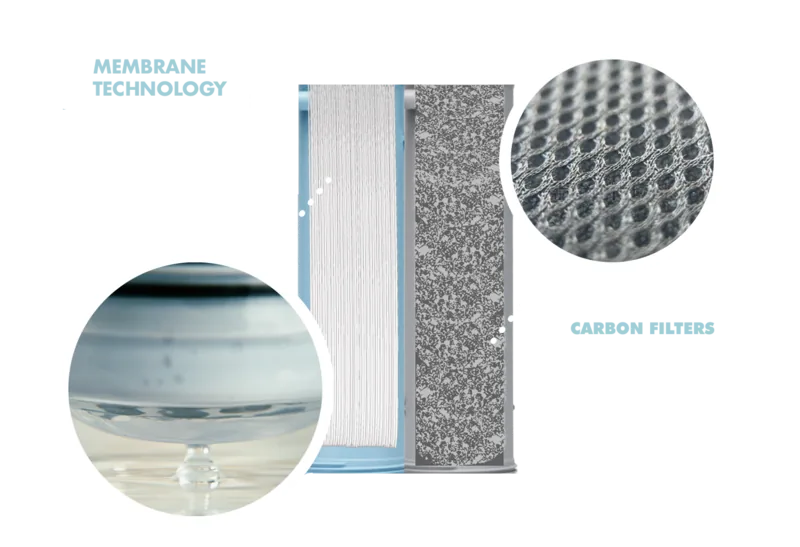
Microscopic pores trap bacteria, viruses, and protozoa while letting clean water pass through. A red tap manages dirty water disposal while a blue tap delivers purified water. A bulb allows you to backwash the system to clear trapped particles. This mechanical process requires no power source or batteries. It relies solely on physics to protect your stomach from illness. Water is forced through narrow fibers under low pressure. Clean water exits through tiny pores in the walls. The hollow fibers trap harmful pathogens internally.
Safety and Maintenance Guidelines
To ensure longevity, follow specific cleaning steps daily. Always close the blue tap when not collecting water. The pre filter inside the bag needs regular rinsing without soap. For storage, use a bleach solution to disinfect the system. Never store wet equipment as bacteria can grow inside. Warnings state not to use for seawater or chemical pollutants. Chemical spills or mining runoff can harm your health. This gear prevents gastrointestinal sickness caused by microorganisms. Read every instruction carefully before heading out. Proper care extends the life of your filter significantly. Never drink from the red tap. Ensure water flows freely before drinking. Check for leaks often. Keep the unit clean and dry between trips. Protect your investment in health safety.
Critical Safety Warnings
You must understand the limitations of this device before use. The filter cannot remove radioactive materials or chemical toxins. Avoid water sources near agricultural operations or mining tailings. Particles smaller than 0.02 microns will pass through the membrane. Drinking untreated water exposes you to harmful microorganisms. Use this only for fresh water purification tasks. Failure to follow warnings may result in illness. Educate yourself on backcountry water safety risks.
Component Overview
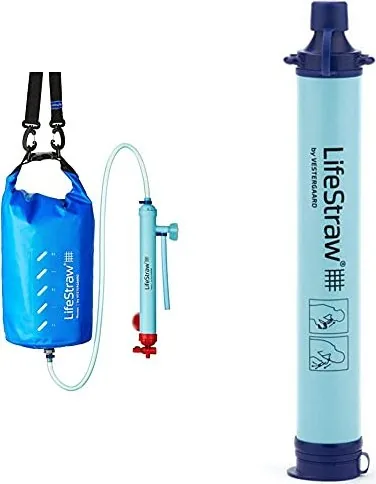
Locate the red tap for dirty water and blue tap for clean water. The hose connects the bag to the outlet mechanism. Ensure the mesh prefilter is removed for washing. A backsplash bulb helps flush out the hollow fibers. These parts must be kept together to work correctly.
Final Steps
Disconnect the hose and let everything dry out. Air dry the roll bag completely. Leave taps open to prevent mold growth. This simple routine keeps the equipment ready. Your safety depends on strict adherence to these rules.
Search for 67,706 Manuals online


Type-in Brand or Model