

Free Lavor Manuals – Read, Download & Print
1 Manuals
Manuals
Categories

Lavor Manuals
Overview
Lavor Manuals are essential reference documents for anyone using, maintaining, or repairing Lavor equipment. Whether you are working with pressure washers, vacuum cleaners, floor care machines, steam cleaners, or other professional cleaning tools, the manual provides the information needed to operate the machine safely and efficiently. These manuals are designed to guide both beginners and experienced users through setup, daily use, troubleshooting, and routine maintenance.
Why Lavor Manuals Matter
A machine can only perform at its best when it is used correctly. Lavor Manuals help users understand the exact features, functions, and limitations of each model. They reduce the risk of misuse, improve performance, and extend the lifespan of the equipment. For business owners, technicians, and homeowners alike, having the right manual means faster problem solving and fewer costly mistakes.
What You Can Find in a Lavor Manual
Lavor Manuals usually include a wide range of practical information. While the layout may vary by product type and model, most manuals contain the same core sections that help users manage the machine from first setup to long-term care.
Product Identification
Each manual identifies the exact model, version, and technical specifications of the product. This is important because Lavor often offers multiple machines in the same category, and small differences in pressure, power, tank capacity, or accessories can affect how the machine should be used.
Assembly and Setup Instructions
Many Lavor products require initial assembly or preparation before the first use. Manuals explain how to install parts, connect hoses, attach accessories, and prepare the machine for operation. Clear setup instructions help prevent damage and ensure the equipment works properly from the start.
Operating Guidelines
The operating section is one of the most important parts of any manual. It explains how to switch the machine on and off, select modes, adjust settings, and use attachments correctly. For machines with advanced functions, the manual may also describe pressure controls, suction settings, cleaning cycles, or safety locks.
Maintenance and Care
Routine maintenance is necessary for reliable performance. Lavor Manuals often include cleaning instructions, filter replacement guidance, descaling steps, storage recommendations, and inspection intervals. Following these directions helps keep the machine in good condition and reduces the chance of breakdown.
Troubleshooting Advice
If a machine stops working as expected, the troubleshooting section can save time and money. Manuals often list common issues such as loss of suction, reduced pressure, unusual noise, leaking, or failure to start. They also suggest possible causes and practical solutions.
Benefits of Using the Correct Manual
Using the correct Lavor Manual for your specific model has several important benefits. It ensures that all instructions match the machine you own, which is especially important when a product line has many similar versions. A wrong manual can lead to confusion, incorrect operation, or even damage.
Improved Safety
Safety instructions are a major reason to keep the manual close at hand. Lavor equipment may involve electricity, water, steam, heat, high pressure, or moving parts. Manuals explain warnings, personal protection requirements, and safe handling procedures that help prevent accidents.
Better Performance
When users follow the recommended settings and procedures, the machine performs more effectively. For example, pressure washers operate differently depending on nozzle type, water flow, and surface conditions. A manual helps users choose the right method for the task.
Lower Repair Costs
Many common problems can be avoided with proper maintenance and correct use. Manuals often provide simple checks that users can perform before contacting service support. This can reduce unnecessary repairs and extend the usable life of the equipment.
Common Types of Lavor Equipment Covered
Lavor is known for a broad range of cleaning and maintenance equipment, and manuals are available for many product families. The exact content of each manual depends on the machine category, but the purpose remains the same: to help the user operate safely and effectively.
Pressure Washers
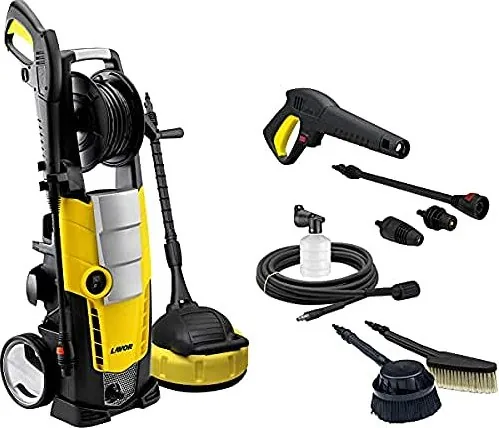
Pressure washer manuals typically explain water connections, spray lance use, nozzle selection, detergent application, and storage procedures. They also describe pressure limits and safety precautions related to high-pressure water flow.
Vacuum Cleaners and Wet-Dry Vacuums
For vacuum machines, manuals generally cover bag or tank emptying, filter care, hose attachment, suction settings, and proper cleaning of debris or liquids. Wet-dry models may include guidance on switching between dry and liquid collection modes.
Steam Cleaners
Steam cleaner manuals focus on heating time, steam output control, safe use on different surfaces, and precautions against burns. They may also include instructions for refilling the water tank and descaling the internal system.
Floor Cleaners and Scrubbers
Manuals for floor care equipment usually explain brush installation, water and detergent use, battery charging if applicable, and cleaning cycle settings. These instructions are especially useful in commercial or industrial environments.
How to Read a Lavor Manual Effectively
A manual is most useful when it is read before the machine is put into service. Taking a few minutes to study the main sections can prevent confusion later.
Start with Safety Information
The first section to review should always be safety warnings and restrictions. This part tells you what not to do, what protective gear may be required, and which conditions could cause damage or injury.
Review the Parts List
Understanding the names and functions of the machine parts makes assembly and operation easier. Many manuals include diagrams that label each component, which is helpful when replacing accessories or ordering spare parts.
Follow the Recommended Procedures
Do not guess when operating or maintaining a Lavor machine. Even if the equipment looks simple, the manual may include important details about correct water pressure, cleaning agents, run time, or cooling intervals.
Keep the Manual Accessible
It is a good idea to store the manual with the machine or save a digital copy for easy access. This is especially useful in workplaces where multiple people may use the same equipment.
Troubleshooting and Maintenance Tips
Lavor Manuals are especially valuable when the machine does not work as expected. Instead of immediately assuming the equipment is broken, users can check the manual for basic solutions.
Common Troubleshooting Steps
Typical checks may include verifying power supply, inspecting cables, cleaning filters, checking water flow, confirming hose connections, or making sure the tank is not full. These simple steps often solve minor issues without the need for service.
Routine Care Practices
Regular cleaning and inspection are key to keeping the machine reliable. Manuals may recommend rinsing parts after use, storing the unit in a dry place, protecting hoses from kinks, and checking seals or gaskets for wear.
When to Seek Professional Service
If a problem persists after basic troubleshooting, the manual may advise contacting an authorized service center. This is especially important for electrical faults, pressure system damage, or internal mechanical issues.
Finding the Right Lavor Manual
Because Lavor produces many different models, choosing the correct manual is important. The model number is usually found on the product label, rating plate, or original packaging.
Use the Model Number
The model number is the best way to locate the proper manual. Even closely related machines can have differences in accessories, voltage, capacity, or features.
Check the Product Series
Some manuals are organized by product family or series. If the exact model manual is not available, a series guide may offer useful general information, but it should not replace the correct model-specific document.
Prefer Official Documentation
Whenever possible, users should rely on official or manufacturer-approved manuals. These versions are more likely to be accurate, complete, and up to date.
Why Lavor Manuals Are Useful for Professionals
For cleaning companies, maintenance teams, and facility managers, Lavor Manuals are more than just instruction sheets. They are practical tools that support training, compliance, and operational efficiency.
Training New Users
New employees can learn faster when they have a clear manual to follow. This reduces the risk of incorrect use and shortens the learning curve.
Supporting Preventive Maintenance
Scheduled maintenance is easier to manage when the manual clearly defines service intervals and care requirements. This helps organizations protect their investment and avoid downtime.
Improving Workplace Consistency
When everyone follows the same instructions, equipment is used more consistently across teams and shifts. That leads to better results and fewer service issues.
Conclusion
Lavor Manuals are an important resource for safe operation, proper maintenance, and long-term reliability. They provide clear guidance for setup, use, troubleshooting, and care across a wide range of cleaning equipment. Whether you are a homeowner using a pressure washer or a professional managing multiple machines, the right manual helps you work more efficiently and confidently. By keeping the correct Lavor Manual close at hand and following its instructions carefully, you can protect your equipment, improve performance, and get the best possible results from every job.
Search for 67,732 Manuals online


Type-in Brand or Model