
LAS SD260 11596 Manual
PDF manual · 68 Pages
English



Quick check
Incorrect answer, please try again.
Chat with your LAS SD260 11596 manual using AI
Get instant AI answers from your LAS SD260 11596 manual
Ask anything about the LAS SD260 11596. Answers come from this manual, with the pages they are based on.
SD260 11596 Maintenance Schedule
Inspect the carrier for damage or wear. Replace defective parts and straps immediately if found.
Check that all lights function correctly before starting the journey. Replace any defective bulbs.
The carrier settles into the coupling after driving a few kilometers. Check if it is still firmly attached and redo if loose.
In coastal areas or winter conditions, clean regularly with mild detergent and water to remove salt and prevent corrosion.
If the slide rails are dirty, rinse them immediately with water to ensure smooth operation.
Ask a Question
Do you recommend SD260 11596?
Yes No
Helena Ward
4 months ago
Does this flap door carrier work well with van models that have split rear doors?
Frequently Asked Questions
The carrier has a maximum net weight of approximately 20.5 kg and can carry a total load of up to 60 kg. This includes the weight of the bicycles and any accessories attached to them.
Is this answer helpful?
No, you must never mount the SD260 on a coupling made of aluminum or other light metals. It requires a minimum of St52 steel or GGG52 grey cast iron to prevent the hitch from breaking under load.
Is this answer helpful?
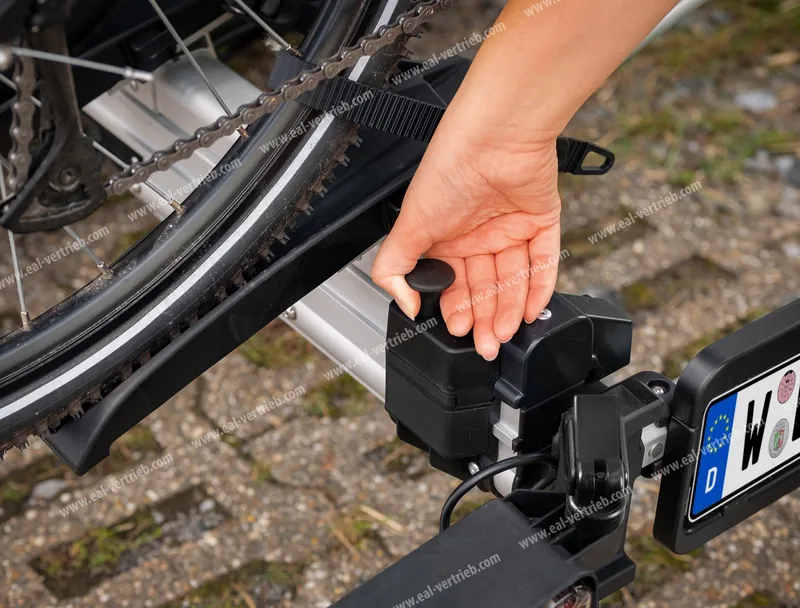
Unlock the sliding mechanism by lifting both knobs, then carefully slide the carrier backward away from the vehicle. Open your trunk, and when finished, push the carrier fully forward until it clicks into place.
Is this answer helpful?
Yes, you should never exceed a speed of 130 km/h. Driving with the carrier affects vehicle handling, so it is recommended to drive at moderate speeds and avoid sudden steering movements.
Is this answer helpful?
Keep the sliding rails clean by rinsing them with water if they become dirty. Do not leave the carrier extended for long periods as dust can accumulate. Check for wear and replace damaged parts immediately.
Is this answer helpful?
Advantages and Disadvantages
Advantages

- Sliding mechanism allows easy trunk access without full removal
- Durable steel and aluminum construction supports up to 60 kg load
- Integrated 13-pin lighting system enhances road safety
- Lockable frame holders deter theft and ensure stability
- Compact folding design simplifies storage when not in use
Disadvantages

- Requires specific tow hitch material (St52 steel or GGG52) for safe mounting
- Paint layer on new tow balls must be removed for proper grip
- Maximum speed limited to 130 km/h due to altered vehicle dynamics
- Regular inspection of straps and fasteners is mandatory before every trip
- Not suitable for off-road driving as it may cause structural failure
Product Specification
Type
Bike rack
Mounting
Rear/Tow hitch
Sport equipment load capacity
2 bicycles
Max load capacity
132.28 lbs
Features
foldable, rear lights (13-pin)
Color
black, silver
Dimensions
51.18x31.89x30.31 in (LxWxH)
Weight
45.20 lbs
Product Description
The Ultimate Guide to the LAS SD260 Flap Door Coupling Support
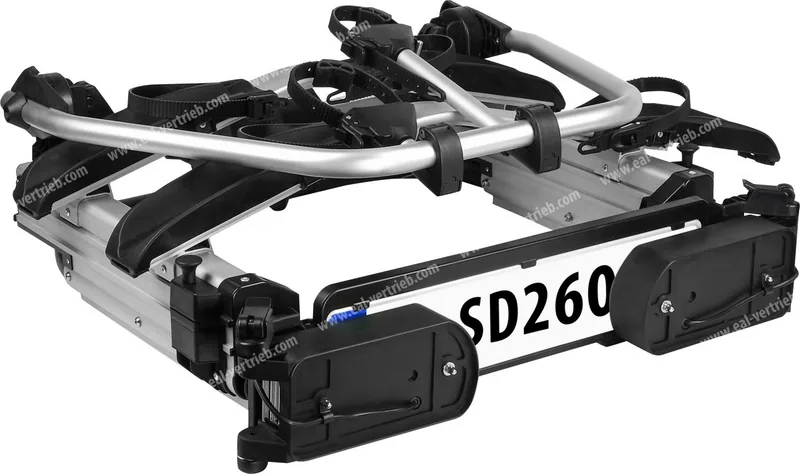
Are you looking for a reliable way to transport your bicycles on your next adventure? The LAS SD260 Flap Door Coupling Support Manual is your essential companion for safe and efficient travel. This high-quality bicycle carrier is designed specifically for towbar installations, offering a robust solution for carrying up to two bikes securely.
Constructed from durable steel and aluminum, the SD260 balances strength with a manageable weight of approximately 20.5 kg. It features a sliding mechanism that allows you to easily access your vehicle's trunk or rear door without removing the entire unit. Simply unlock the mechanism, slide the carrier back, open your hatch, and then push it forward again before driving off. This thoughtful design prevents damage to your car's paintwork and ensures convenience during daily use.
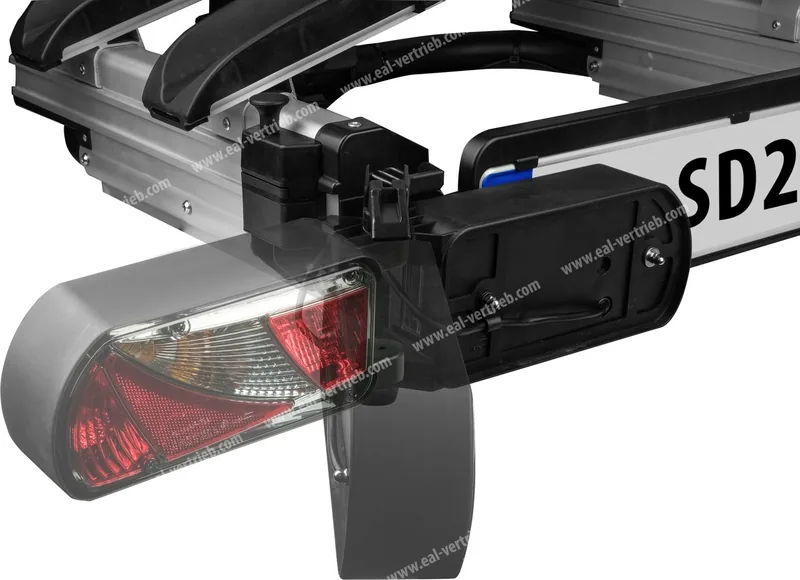
Safety is paramount when transporting heavy loads on the road. The manual emphasizes strict adherence to safety protocols, including checking the coupling material and ensuring the tow ball meets specific standards like St52 steel or GGG52 grey cast iron. The carrier includes locking mechanisms and safety straps to secure both the frame and wheels of your bicycles. Regular inspections of these straps are crucial to prevent accidents caused by loose loads. Additionally, the integrated lighting system ensures visibility, connecting via a standard 13-pin plug for clear communication with other drivers.
Maintenance is straightforward yet vital for longevity. Cleaning with mild soap and water, while avoiding harsh solvents, keeps the powder-coated finish in top condition. Special attention should be paid to coastal areas or winter driving where salt can accelerate corrosion. Adjusting the quick-release fastener periodically ensures a tight fit on the tow hitch, preventing unwanted movement during transit. Whether you are commuting to work or heading out for a weekend mountain ride, the LAS SD260 provides peace of mind and reliability.
Search for 67,706 Manuals online


Type-in Brand or Model
WagnerFan
7 months ago
Is this carrier compatible with a Ford Transit camper van and how difficult is the bike mounting process?
Manual.ly
7 months ago
Yes, this carrier is fully compatible with Ford Transit camper vans featuring rear swing doors. While some users note that attaching bikes can be slightly more involved than shown in promotional videos, the overall installation and access to the cargo area are highly rated for practicality and ease of use.