
KED Status Manual
PDF manual · 16 Pages
English



Quick check
Incorrect answer, please try again.
Chat with your KED Status manual using AI
Get instant AI answers from your KED Status manual
Ask anything about the KED Status. Answers come from this manual, with the pages they are based on.
Status Maintenance Schedule
Replace the helmet after a maximum of 5 years from the date of manufacture or immediately after any accident.
Inspect the helmet regularly for visible damage. Minor scratches do not reduce protection.
Free maintenance reminders
Timed to your purchase date. Always free, unsubscribe anytime.
Ask a Question
Do you recommend Status?
Yes NoFrequently Asked Questions
It is designed to meet EN 1078:2012+A1:2012 and EU Regulation 2016/425. These standards cover key helmet safety checks such as impact absorption, strap strength, and protection zones.
Is this answer helpful?
Measure the child’s head at the widest point and compare it with the size label inside the helmet. The helmet should feel secure and comfortable, not loose or pressure-heavy.
Is this answer helpful?
The QuickSafe wheel tightens or loosens the head ring. Turning toward minus tightens the fit, while turning toward plus releases it. This helps the helmet sit more securely on the head.
Is this answer helpful?
It should sit level on the head, covering the forehead without blocking vision. The chin strap should be snug, and the helmet should not shift when the head is shaken gently.
Is this answer helpful?
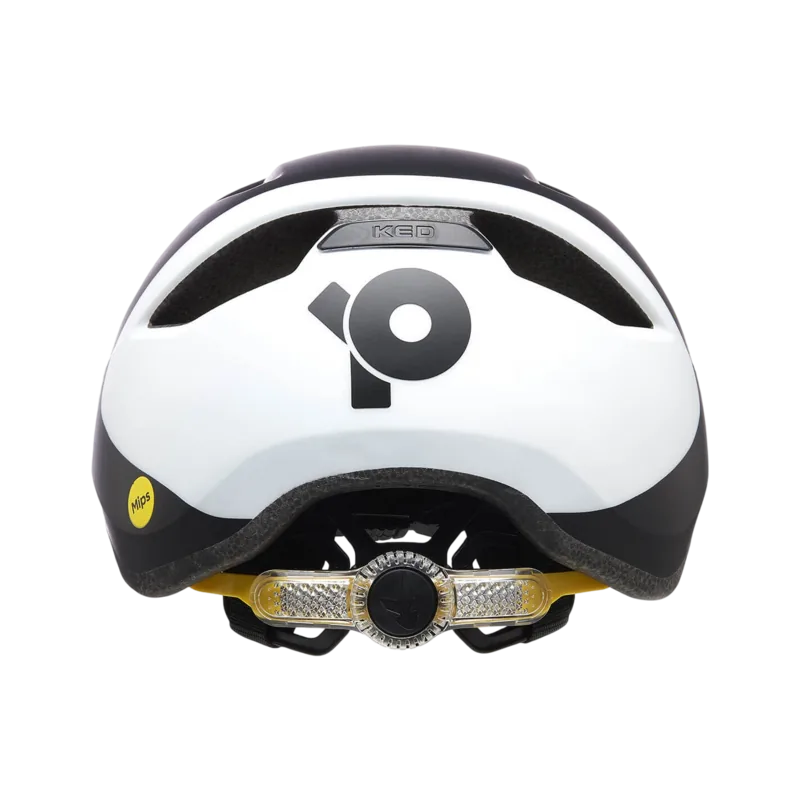
Some versions include flashing lights that can be switched on and off with a press. They improve visibility, but they do not replace a proper bicycle rear light.
Is this answer helpful?
Replace it after any fall or strong impact, even if no damage is visible. It should also be replaced after about five years from the manufacturing date, or sooner if it shows wear.
Is this answer helpful?
Advantages and Disadvantages
Advantages

- Certified to EN 1078 and EU 2016/425 for trusted cycling protection.
- QuickSafe size adjustment helps achieve a stable, child-friendly fit.
- Quickstopp strap control supports fast, repeatable strap positioning.
- Some versions include flashing lights for extra visibility.
Disadvantages

- Not suitable for skiing, motorcycling, or scooter use.
- Must be replaced after any crash, even without visible damage.
- Requires careful strap and fit adjustment to work properly.
- Decorating or modifying the shell can reduce safety.
Product Specification
Area of use
MTB
Ventilation openings
19
Visor
no
Sizes
19.29-21.26 in (S), 20.47-23.23 in (M)
Weight
0.60 lb (S), 0.62 lb (M)
Special features
Adjustment system, Insect net
Product Description
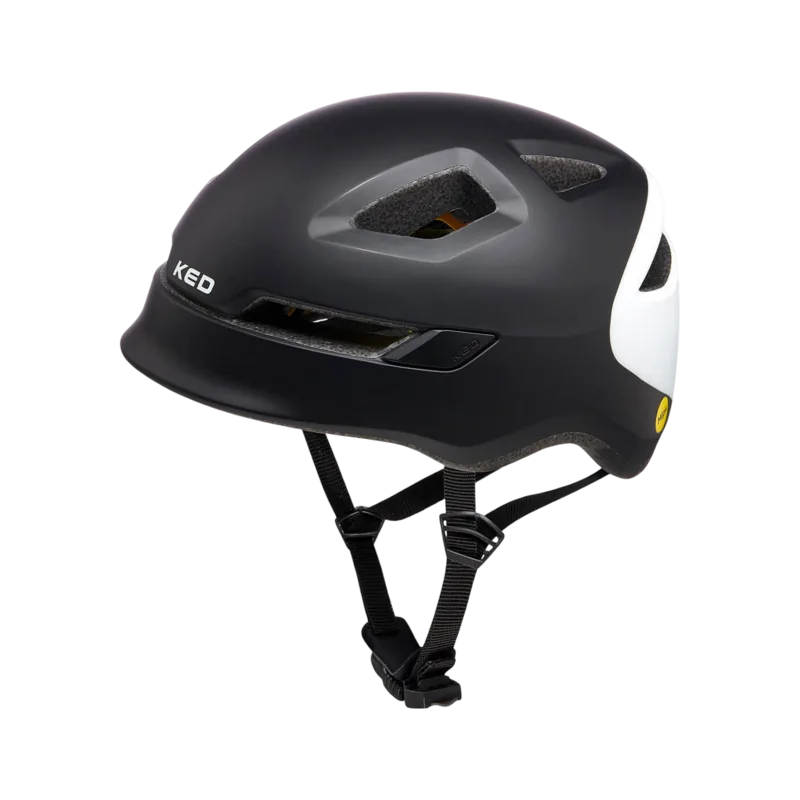
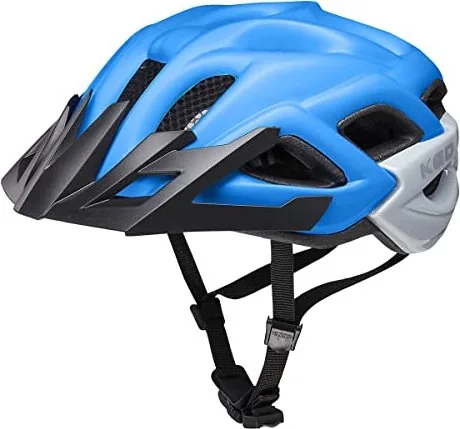
KED Status Children's Helmet (2017): Practical Protection for Young Riders
The KED Status Children's Helmet (2017), guided by the KED Status Children's Helmet (2017) Manual, is built around a simple idea: a child’s helmet should be comfortable enough to wear willingly and secure enough to matter when it counts. It follows the EN 1078:2012+A1:2012 safety standard and meets EU Regulation 2016/425, giving parents confidence that the helmet is designed with tested protective performance in mind.
What stands out most is the fit system. A child helmet only works well when it sits correctly, and this model uses a QuickSafe adjustment wheel to fine-tune the head ring. That makes it easier to adapt the helmet to growing heads and different hairstyles, while the horizontal position helps protect the forehead without blocking vision. The result is a more stable, natural fit that supports everyday rides to school, park trips, and family cycling outings.
The strap setup is equally thoughtful. With the Quickstopp system, the chin straps can be fixed in a steady position, helping the helmet stay consistent from one ride to the next. The manual emphasizes that the straps should be snug, centered under the chin, and secure without making it hard to breathe or swallow. For children, that balance matters: the best helmet is one they can wear comfortably for longer periods without constant readjustment.
Another useful detail is the integrated lighting feature on certain versions, which adds visibility with simple push control. While it is not a replacement for a bike rear light, it is a practical extra for low-light conditions. Care is straightforward too: mild soap, lukewarm water, and room-temperature drying are enough for routine cleaning, while storage away from heat and strong UV exposure helps preserve the shell.
Notes
- Always check the fit before every ride.
- Replace the helmet after a crash, even if damage is not visible.
- Do not paint, drill, or cover the shell with stickers.
- Use it only for cycling and skating, not for climbing or motor sports.
Search for 67,732 Manuals online


Type-in Brand or Model