
Kathrein CAS 120/G Manual
PDF manual · 36 Pages
English



Quick check
Incorrect answer, please try again.
Chat with your Kathrein CAS 120/G manual using AI
Get instant AI answers from your Kathrein CAS 120/G manual
Ask anything about the Kathrein CAS 120/G. Answers come from this manual, with the pages they are based on.
Ask a Question
Do you recommend CAS 120/G?
Yes NoFrequently Asked Questions
It is designed for receiving satellite signals with high stability and strong gain. It works for single-feed setups and also supports multifeed reception when used with compatible feed systems.
Is this answer helpful?
No. The antenna requires the ZAS 120 azimuth/elevation support for installation, and that part is not included in the standard supply.
Is this answer helpful?
Yes. The design supports multifeed setups with two universal feed systems for 3°–4° or 6° satellite spacing, and in some cases a third central feed can be added.
Is this answer helpful?
Not only. The graphite color gives the antenna a discreet look, while the powder-coated surfaces also help protect the structure against outdoor wear and corrosion.
Is this answer helpful?
Professional installation is strongly recommended. The antenna needs accurate alignment, secure mounting, and proper grounding to meet safety and performance requirements.
Is this answer helpful?
Make sure the location has a clear view toward the satellite direction, the mast is stable and vertical, wind loads are acceptable, and no power lines or unsafe roof areas are nearby.
Is this answer helpful?
Advantages and Disadvantages
Advantages

- Large 1.2 m reflector supports strong satellite reception and solid signal reserve.
- Multifeed-ready design allows two or even three feed systems in supported setups.
- Powder-coated aluminium and galvanised steel improve durability outdoors.
- Compatible with Kathrein mounting accessories for flexible installation options.
Disadvantages

- Installation is complex and requires careful alignment and proper mounting hardware.
- The ZAS 120 support is mandatory, so it is not a standalone mounting solution.
- LNBs and feed-system details are not included and must be sourced separately.
- Grounding, wind-load, and safety rules add extra effort before use.
Product Specification
Diameter
47.24in
Reflector material
Aluminum, powder-coated
Color
grey
Product Description
Kathrein CAS 120/G Graphite: A High-Performance Dish Built for Serious Satellite Reception
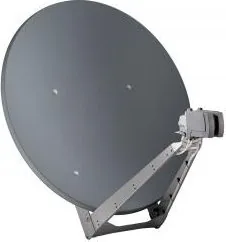
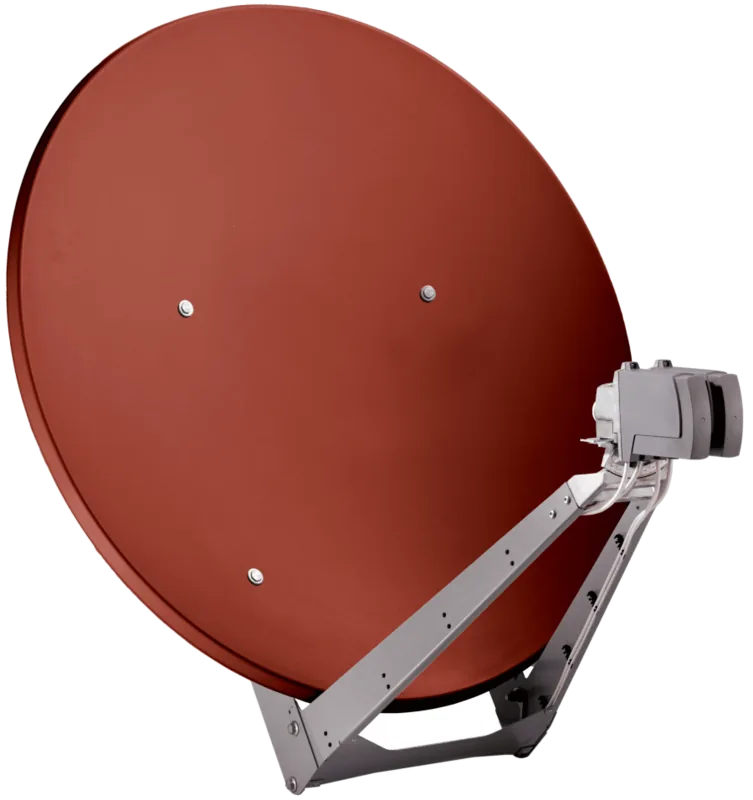
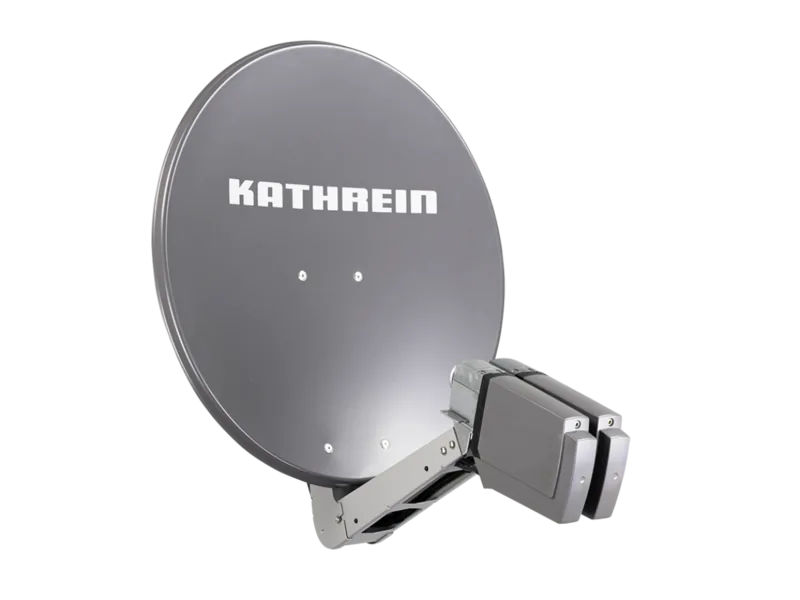
The Kathrein CAS 120/G graphite Manual points to one of the most capable offset parabolic antennas in Kathrein’s lineup. Designed for reliable satellite reception, the CAS 120 combines a large 1.2-meter reflector with a compact offset design that helps deliver strong signal performance while keeping the mechanical footprint practical for residential and professional use.
What makes this antenna stand out is its balance of strength and precision. The reflector is made of powder-coated aluminium, while the feed support and rear structure use galvanised steel sheet with the same protective finish. That combination is meant to improve durability against weather exposure and long-term outdoor use. In everyday terms, it means the antenna is built to stay stable and perform consistently, even when mounted in demanding environments.
A major advantage of the CAS 120 is its flexibility for single-feed and multifeed reception. The tiltable multifeed mount allows careful polarisation adjustment, and the boom can carry two universal feed systems for satellites spaced 3°–4° apart or 6° apart. In certain configurations, a third feed can even be positioned centrally, which opens the door to receiving multiple satellite positions from one installation.
The antenna is also engineered for strong reception quality. Its technical data shows high gain, excellent cross-polarisation decoupling, and solid figures of merit when paired with compatible Kathrein feed systems. For users who want a dependable solution for TV and satellite signal distribution, that kind of performance matters more than flashy design. The graphite version adds a clean, modern finish that blends well with darker rooflines, facades, or balcony setups.
Installation, however, should be planned carefully. The CAS 120 is intended only for satellite reception and must be mounted with the matching ZAS 120 azimuth/elevation support. Proper alignment, solid mast selection, and correct grounding are all essential. The manual also stresses safe mounting conditions, especially when working at height or near electrical systems. In short, this is not a casual plug-and-play product, but a well-engineered antenna for users who value accuracy and long-term reliability.
Notes
- Best suited for experienced installers or trained technicians.
- Multifeed use is one of its strongest advantages.
- Grounding and safe placement are critical for proper operation.
Summary
The CAS 120/G graphite is a durable, high-gain satellite antenna designed for flexible reception setups. It shines in multifeed applications, offers strong build quality, and delivers professional-level performance when installed correctly.
Search for 67,706 Manuals online


Type-in Brand or Model