
K2 Zambelli RibRoofSpeed 500 Manual
PDF manual · 20 Pages
English



Quick check
Incorrect answer, please try again.
Chat with your K2 Zambelli RibRoofSpeed 500 manual using AI
Get instant AI answers from your K2 Zambelli RibRoofSpeed 500 manual
Ask anything about the K2 Zambelli RibRoofSpeed 500. Answers come from this manual, with the pages they are based on.
Ask a Question
Do you recommend Zambelli RibRoofSpeed 500?
Yes NoFrequently Asked Questions
It is designed for Rib-Roof Speed 500 profiled seams and is compatible with various standing seam types including Rib-Roof Evolution, Rib-Roof 465, round and snap-lock seams when paired with the correct K2 clamp variant and rail connection.
Is this answer helpful?
Yes. When installing on copper roofs, use the recommended stainless steel inlay with the aluminium clamp to prevent electrochemical (galvanic) corrosion between dissimilar metals.
Is this answer helpful?
Pre-position clamps and slightly tighten the grub screw first. Only fully tighten the clamps to the specified torque after rails and modules are placed and aligned to ensure correct positioning and allow for thermal movement.
Is this answer helpful?
Thermal separations are required every 6.6 meters for most materials; for titanium zinc, separations are required every 3.3 meters. Maintain recommended distances from retaining brackets to allow for linear expansion.
Is this answer helpful?
K2 offers a product warranty of 12 years if all safety and assembly instructions are followed, correct system components are used, and the installation meets static and regulatory requirements. Using competitor parts or ignoring instructions can void the warranty.
Is this answer helpful?
Torque values vary by seam type and clamp model (MC and MR). Typical guidance ranges from about 15 Nm to 32 Nm depending on seam geometry and material; always refer to the clamp-specific torque table before final tightening.
Is this answer helpful?
Yes. K2 Base planning software and the DocuApp/DocuCheck tools help calculate effective spans, generate parts lists, and produce structural reports to verify load and static requirements for the chosen clamp and rail configuration.
Is this answer helpful?
Advantages and Disadvantages
Advantages

- Non-penetrative clamp design preserves roofing integrity and watertightness.
- Compatible with SingleRail and SolidRail systems for flexible layouts.
- Corrosion-resistant options and stainless inlay for copper roof compatibility.
- Clear torque and spacing guidelines ensure predictable static performance.
- Integrates with K2 planning tools (K2 Base, DocuApp) for documented installs.
Disadvantages

- Requires trained installers and strict adherence to torque and spacing rules.
- Thermal separation requirements add complexity for long runs or titanium zinc.
- Older RibRoof Speed 500 roofs may need verification before use.
- Use of incorrect or competitor parts voids warranty and may cause damage.
- Specific seam geometry compatibility limits universal fit on all metal roofs.
Product Specification
Note
Prices partially include 0% VAT tax rates for AT and DE
Type
Mount
Product Description
K2 Blechfalzklemme Zambelli RibRoofSpeed 500 Manual
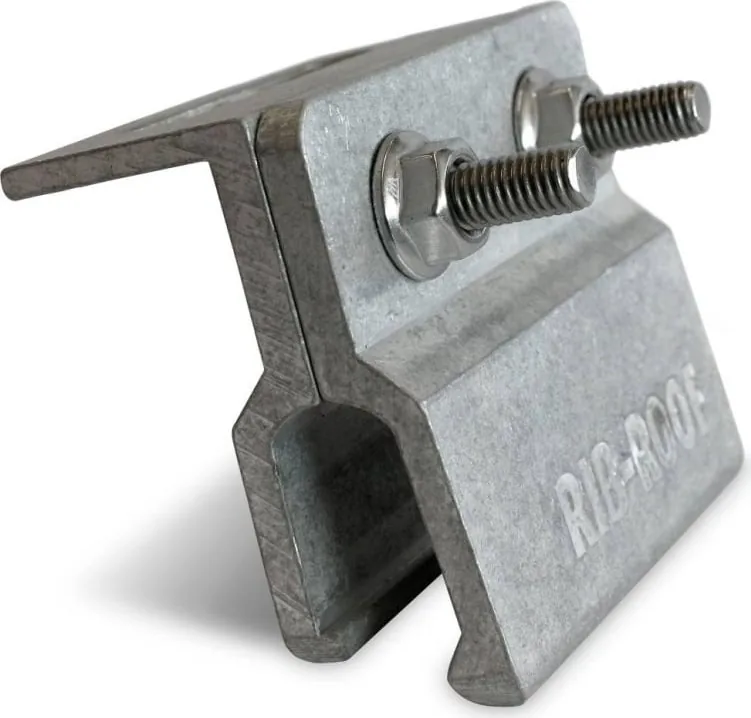
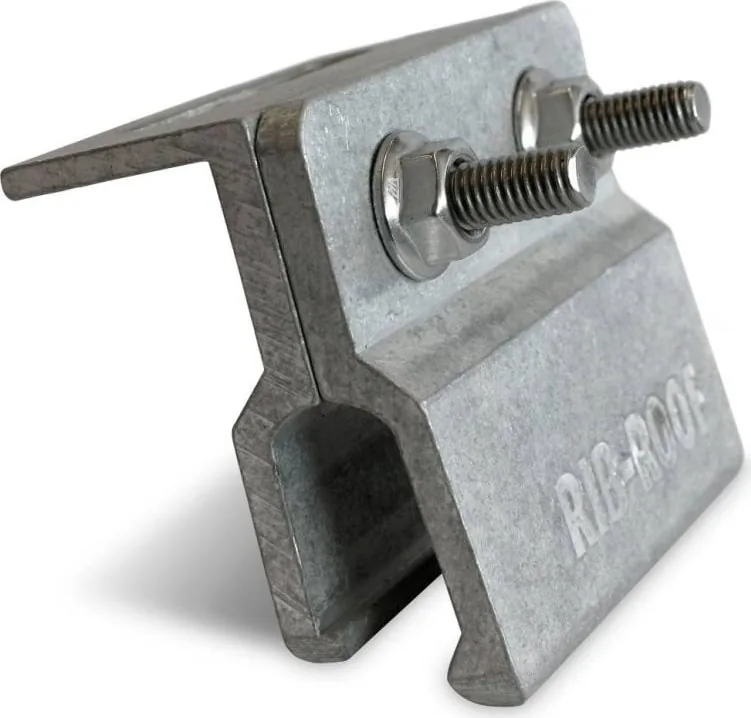
The K2 Blechfalzklemme Zambelli RibRoofSpeed 500 is a specialized standing seam clamp designed for secure PV module mounting on Rib-Roof Speed 500 and similar profiled metal roofs. Built to integrate with K2’s SingleRail and SolidRail systems, this clamp provides a reliable mechanical connection to the roof seam without penetrating the roof skin. The clamp is designed to handle thermal movement, wind and snow loads, and to meet rigorous static and safety requirements when installed following manufacturer torque and spacing guidelines.
Manufactured with corrosion-resistant materials and available variants for different seam types, the clamp is offered in configurations compatible with K2 rail connectors and adapters. Typical installation steps include pre-positioning the clamp on the overlap rib, lightly tightening the grub screw, aligning and adjusting the rail connection, then final torqueing after rails and modules are positioned. The product works with K2 accessories such as stainless steel inlays for copper roofs, rail adapters, and end/mid module clamps to form complete PV mounting solutions.
Key installation considerations include maintaining minimum distances (e.g., ≥50 mm from rail joints to module frames), observing specified tightening torques (MC and MR values per seam type), and planning thermal separation intervals (every 6.6 m, 3.3 m for titanium zinc). Compliant planning using K2 Base and documentation via K2 DocuCheck or DocuApp simplifies design, static verification and site documentation. Proper roof structural checks, adherence to local regulations, use of personal protective equipment, and installation by trained personnel are emphasized for safety and warranty validity.
The clamp supports multiple seam geometries including Rib-Roof Speed 500, Rib-Roof Evolution, Rib-Roof 465, round and snap-lock seams, with specified clamping ranges and torque guidance per seam. When used with copper roofs, a stainless steel inlay is recommended to avoid galvanic corrosion. K2 provides certifications, planning tools and clear assembly instructions to ensure performance and a 12-year product warranty when correctly installed.
Notes:
- Pre-position clamps and only fully torque after rails are placed.
- Maintain thermal expansion gaps and periodic thermal separations.
- Use stainless inlay for copper roofs to prevent corrosion.
- Follow module manufacturer clamp-range specs and local regulations.
Search for 67,706 Manuals online


Type-in Brand or Model