
JBL Aquaristic ProAquaTest Manual
PDF manual · 17 Pages
English



Quick check
Incorrect answer, please try again.
Chat with your JBL Aquaristic ProAquaTest manual using AI
Get instant AI answers from your JBL Aquaristic ProAquaTest manual
Ask anything about the JBL Aquaristic ProAquaTest. Answers come from this manual, with the pages they are based on.
Ask a Question
Do you recommend ProAquaTest?
Yes NoFrequently Asked Questions
The primary purpose is to provide simple, reliable monitoring of nitrite content in fresh water, marine water, and garden ponds. It helps ensure water quality is safe for fish.
Is this answer helpful?
Reagents should be kept dry at room temperature and always in their original packaging. Droppers should be kept dry and pointed downwards to avoid bubbles.
Is this answer helpful?
Yes, nitrite is highly poisonous for fish. Concentrations between 0.5 and 1 mg per liter can be lethal depending on species sensitivity.
Is this answer helpful?
Carry out approximately 50 percent water change immediately. Use a suitable biological filter and add cleaning bacteria. Long term measures include reducing fish stock.
Is this answer helpful?
Yes, due to a compensation method developed by JBL, it can provide reliable results even in slightly discoloured water from peat filtering or treatments.
Is this answer helpful?
You must wait five minutes after adding reagents to allow the color to fully develop before comparing it to the color chart.
Is this answer helpful?
Advantages and Disadvantages
Advantages

- Compensation method provides reliable results in slightly discoloured water caused by peat filtering.
- Easy to use colorimetric test for routine monitoring of nitrite content in water.
- Suitable for fresh water, marine water, garden ponds and various fish species.
- Identifies lethal toxin levels early and helps prevent fish health issues effectively.
- Includes comparator block and color chart for accurate visual results and reading.
Disadvantages

- Requires manual steps, mixing, and waiting time for accurate reaction development.
- Color matching can be subjective depending on lighting conditions during reading.
- Reagents require specific storage conditions to maintain dryness and room temperature.
- High nitrite levels indicate a need for immediate partial water changes.
- Sensitive to handling errors like air bubbles or incorrect dropper positioning.
Product Description
Protecting Your Aquatic Pets
Maintaining a healthy aquatic environment requires consistent monitoring of water parameters. The JBL Pro AquaTest - Test Kits for Individual Water Parameters Manual provides comprehensive guidance for aquarium enthusiasts. Understanding the nitrogen cycle is crucial for fish health and stability. Organic substances break down into proteins, ammonium, nitrite, and nitrate. This complex process relies on beneficial bacteria that convert toxins into less harmful compounds effectively.
The Importance of Monitoring
Nitrite is highly toxic to fish. Concentrations between 0.5 and 1 mg per liter can be fatal depending on species sensitivity. Marine fish and young fish are often more vulnerable than adults. Routine testing helps prevent accidental poisoning and ensures the system functions correctly. Medications used during disease treatment can harm these cleaning bacteria. This often leads to an increase in dangerous ammonium and nitrite content. A well-maintained aquarium should not have measurable nitrite in healthy conditions. Regular checks save lives and prevent costly losses.
Testing Procedure
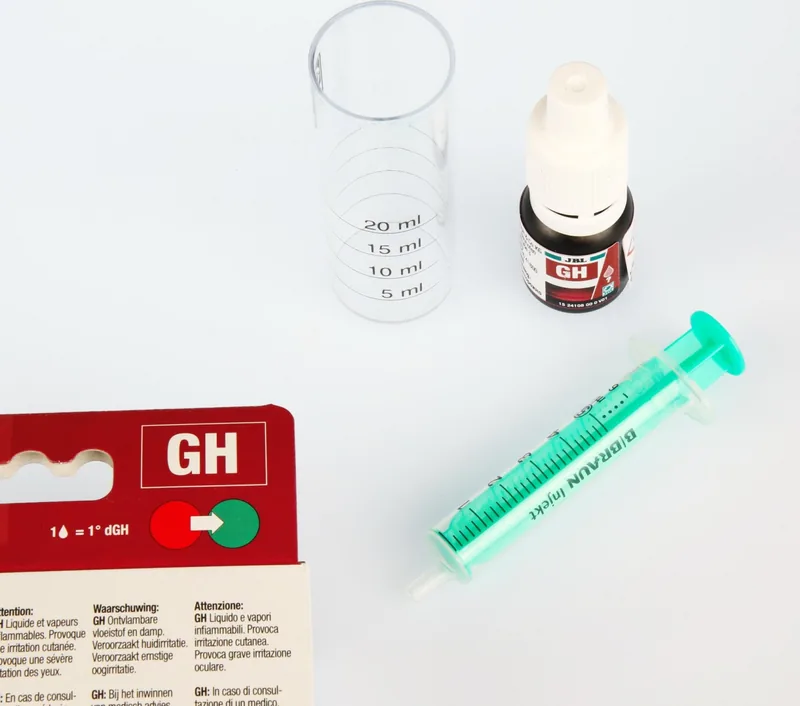
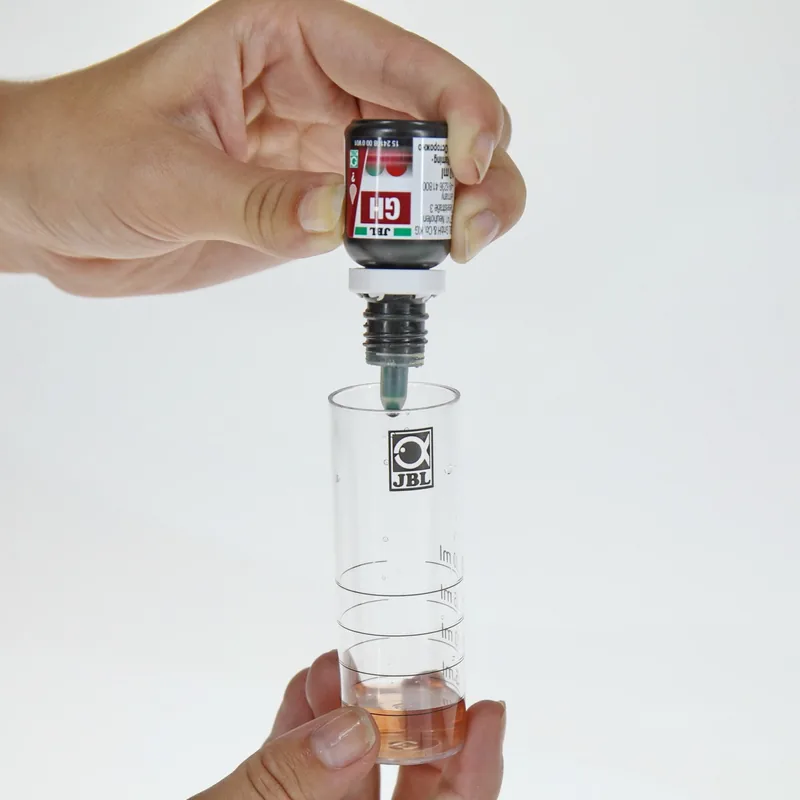
Follow specific steps for accurate results every time. Rinse test vials with water first. Fill both vials with five milliliters of sample water. Add five drops of reagent one and mix gently. Wait for color development to occur. Add five drops of reagent two and mix again thoroughly. Stand for five minutes to allow full coloring to complete. Place vials in the comparator block. Compare colors to the chart carefully. Ensure you read the manual provided with the kit for specific safety warnings regarding the chemicals. Storage conditions play a major role in the effectiveness of the test reagents over time.
Special Features
Compensation methods developed specifically allow reliable results even in slightly discoloured water. This is useful with peat filtering or during disease treatment. The kit allows precise monitoring of water quality without complex equipment. It is suitable for freshwater, marine water, and garden ponds. Garden pond owners should check water parameters more frequently during autumn and spring transitions.
Water Correction Steps
If values are too high, change fifty percent of the water immediately. Use appropriate biological filters to fix issues. Add bacteria to speed up the cleaning process. Long term measures might involve reducing fish stock. Keep reagents dry at room temperature always. Always point droppers vertically downwards to avoid bubbles. Ensure the test kit remains in original packaging for protection. This ensures longevity and accuracy over time. If you detect high levels, do not panic but act swiftly to save your aquatic life.
Seasonal Advice
Garden ponds require special attention during seasonal changes. When temperatures drop, cleaning bacteria become less active. Feeding high protein food during cold times can cause dangerous nitrite spikes. It is vital to use energy-rich winter food with low protein content. This prevents the system from becoming overwhelmed with toxins. The color comparison must be done in good lighting to ensure the closest match is found.
Final Thoughts
Successful aquatics management depends on vigilance. Always record your findings to track changes over weeks. Early detection prevents large problems later. Maintain a log of your test results to identify trends. This simple practice saves time when troubleshooting future issues quickly. The manual serves as an invaluable resource for beginners and experts alike. JBL is known for producing high quality products that deliver reliable results for hobbyists worldwide. Understanding the difference between nitrite and nitrate helps in managing biological filtration better. Regular water changes are necessary to support the bacterial colonies in your filter media. Patience is required when observing the color changes as they need time to develop fully. Using a timer ensures you wait the full five minutes for accurate reaction results. Keep the comparator block clean and free of scratches to avoid visual confusion during reading. Remember that different fish species have varying tolerance levels to toxic chemicals in their habitat. This comprehensive test kit is an essential tool for anyone serious about pet care standards.
Notes
Always verify the chemical reactions with a blank sample. Trust the quality of JBL products for peace of mind. Keep your water parameters within safe limits for happy fish. Consistent testing creates a safety net against sudden water quality drops that could harm your stock.
Search for 67,706 Manuals online


Type-in Brand or Model