
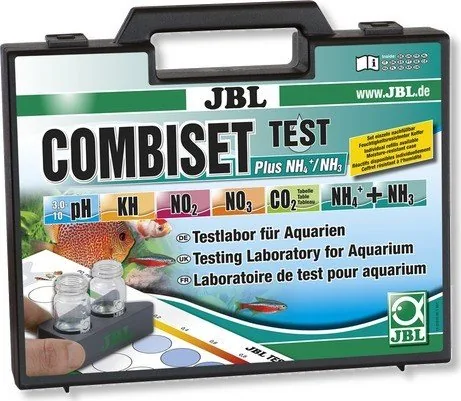
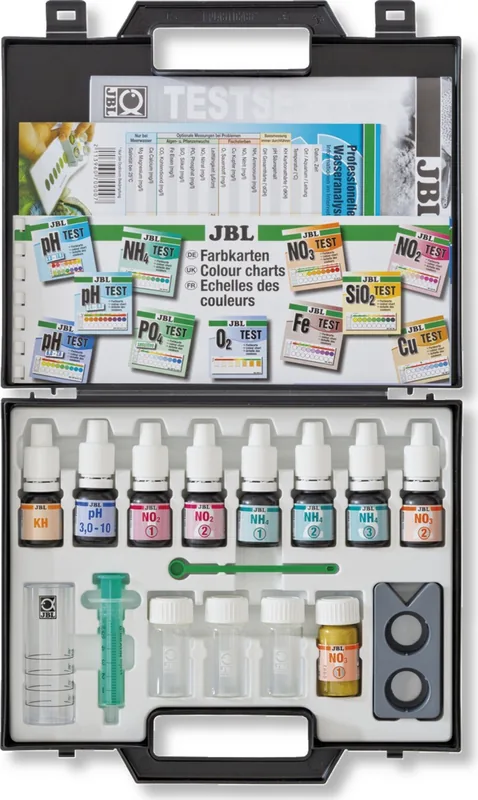
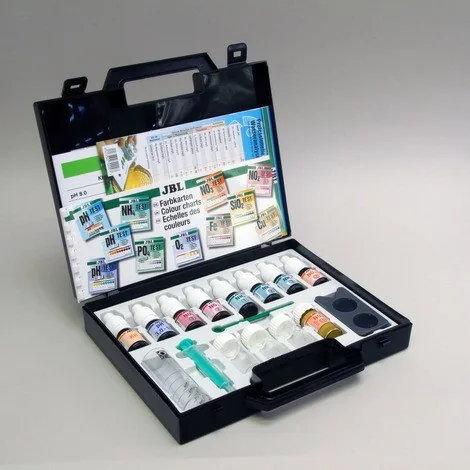
JBL Aquaristic CombiSet Test Plus NH4 Manual
PDF manual · 132 Pages
English



Quick check
Incorrect answer, please try again.
Chat with your JBL Aquaristic CombiSet Test Plus NH4 manual using AI
Get instant AI answers from your JBL Aquaristic CombiSet Test Plus NH4 manual
Ask anything about the JBL Aquaristic CombiSet Test Plus NH4. Answers come from this manual, with the pages they are based on.
Ask a Question
Do you recommend CombiSet Test Plus NH4?
Yes NoFrequently Asked Questions
The range includes separate test kits for carbonate hardness, pH, nitrite, nitrate, CO2 calculation, and ammonia/ammonium coverage to ensure full parameter monitoring.
Is this answer helpful?
Yes, the tests are designed for freshwater, saltwater, and garden ponds, including koi ponds with specific safety warnings for winter feeding.
Is this answer helpful?
Yes, all reagents are available as reasonably-priced refill packs from retailers to support environmentally-conscious users and reduce waste.
Is this answer helpful?
Keep out of reach of children, avoid contact with skin and eyes, keep away from heat sources as some reagents are flammable.
Is this answer helpful?
JBL uses a special compensation procedure that allows for precise and reliable results even in moderately discolored water samples.
Is this answer helpful?
Regular testing is recommended, especially in new filters or when treating fish with antibiotics that may harm beneficial bacteria.
Is this answer helpful?
No, CO2 content is calculated using a table based on measured pH and carbonate hardness values as they are directly related.
Is this answer helpful?
Advantages and Disadvantages
Advantages

- Comprehensive testing for multiple parameters like KH, pH, nitrite, nitrate, and ammonia in one range.
- Special compensation procedure ensures accurate results even in slightly colored or turbid water samples.
- Reagent refills are available for purchase allowing for cost-effective long-term monitoring of water quality.
- Suitable for freshwater aquariums, marine aquariums, and garden ponds with versatile range capabilities.
- Clear color charts and instructions make the testing process simple for beginners to use effectively.
Disadvantages

- Chemical reagents require careful handling due to flammability and corrosive properties noted in safety data.
- Color matching against the chart requires good lighting and can be subjective for some users.
- Reagents must be stored properly to maintain stability and prevent degradation over time periods.
- Testing ammonia requires consideration of pH levels as toxicity depends heavily on pH conversion.
- Frequent monitoring is necessary to detect sudden spikes that can harm aquatic life quickly.
Product Specification
Category
Water parameters
Type
Water test (pH, Carbonate hardness, Nitrite, Nitrate, Ammonium, Ammonia, Indirect CO2), Test case
Dimensions
10.47x2.05x8.90in (WxHxD)
Weight
1.16lb
Product Description
Maintaining Your Aquatic Environment
Water quality is the backbone of a healthy aquarium or garden pond. Without proper monitoring, dangerous substances can accumulate rapidly and harm your livestock. This guide highlights the essential tools you need for absolute clarity. The JBL CombiSet Test Plus NH4 Test Kit Manual provides a comprehensive resource for understanding your aquatic water chemistry in depth. It covers multiple aspects of aquatic health in one easy package.
Key Parameters to Monitor
Carbonate hardness and pH are critical buffers for stability in any closed system. The JBL KH Test Set determines acid binding capacity effectively for various water types. Ideal levels vary significantly by environment. Freshwater plants thrive best between 3 to 15 degrees German hardness. Marine setups require stricter control around 7 to 10 degrees for proper buffering. Algae can drive pH up dangerously if hardness drops too low in ponds. Maintaining stability prevents stress for all aquatic life.
pH Control
The JBL pH Test Set covers a massive range from 3.0 to 10.0. This ensures you can check any tank scenario easily without switching tools. Stable pH is crucial for the wellbeing of fish and plants. Most freshwater species prefer neutral levels around 7.0. Marine aquariums typically need slightly alkaline conditions between 7.9 and 8.5. Adjustments can be made using specialized products to raise or lower levels safely.
The Nitrogen Cycle
Understanding waste breakdown is vital for preventing toxicity in your setup. Organic matter from fish and plants naturally turns into ammonium, nitrite, and nitrate over time. High levels of ammonia or nitrite are extremely toxic to fish populations. The Nitrite and Nitrate Test Sets measure these dangerous stages precisely using color comparison. They use special compensation procedures to work even in slightly colored water like peat filtrate.
Ammonium Detection
Ammonium converts to toxic ammonia depending heavily on pH levels in the water. The Ammonium Test Set measures this risk directly and reliably for safety. It covers a broad range of 0.1 to 5.0 mg/l for accurate diagnosis. Regular testing prevents sudden die-offs and stress in your population significantly. Garden ponds also need this vigilance especially during cooler months when bacteria slow down.
Usage and Safety
Testing requires simple steps like rinsing vessels and adding precise drops carefully. Compare final colors against the provided chart for immediate actionable results. Refills are available commercially for cost effective long term maintenance of the kits. Always follow strict safety warnings regarding flammability and skin contact risks. Keep all reagents out of reach of children completely to ensure safety.
Search for 67,706 Manuals online


Type-in Brand or Model