
Hoppediz Primeo Manual
PDF manual · 28 Pages
English



Quick check
Incorrect answer, please try again.
Chat with your Hoppediz Primeo manual using AI
Get instant AI answers from your Hoppediz Primeo manual
Ask anything about the Hoppediz Primeo. Answers come from this manual, with the pages they are based on.
Ask a Question
Do you recommend Primeo?
Yes NoFrequently Asked Questions
The carrier is intended for children weighing about 5.5 to 33 lbs, or 2.5 to 15 kg. Always check that your child is securely positioned and that all straps, buckles, and fasteners are properly secured before use.
Is this answer helpful?
Yes. Front carrying is designed for use from the first day of life when the baby is correctly supported. The upper drawstring can create a newborn pouch, and the back panel should be adjusted to suit the baby's size.
Is this answer helpful?
The baby should have a supported back and a spread-squat leg position. Adjust the seat so it reaches from one knee pit to the other. Keep the baby upright, close to your body, and ensure the chin is not resting on the chest.
Is this answer helpful?
Back carrying is intended once your child can safely hold their head upright independently, typically from around four months. Follow the fitting steps carefully and use the chest strap to help hold the shoulder straps in position.
Is this answer helpful?
The D-rings are used to tighten the carrier straps. Markings on the straps help caregivers remember their preferred settings. If the fit is still loose, adjust the marked strap first, then retighten the D-ring strap.
Is this answer helpful?
Machine wash it at up to 40 C. Do not use fabric softener, do not spin above 1,000 rpm, and do not tumble dry. Inspect the carrier regularly for torn fabric, damaged seams, worn straps, or faulty closures.
Is this answer helpful?
Advantages and Disadvantages
Advantages

- Adjustable seat width and back panel help tailor the fit to a newborn or growing child.
- Front carrying can be used from birth when the baby is positioned and supported correctly.
- Back carrying is available once the child has reliable head control, usually around four months.
- D-rings, marked straps, waist belt, and chest strap support personalized adjustment and stability.
- Machine washable at up to 40 C for straightforward routine care.
Disadvantages

- Safe setup requires careful adjustment of straps, seat width, buckles, and the baby's position every time.
- Back carrying is not recommended until the child can independently hold their head upright.
- The carrier must not be used for sports, cooking, cleaning near hazards, or travel in motorized vehicles.
- Care instructions exclude fabric softener, tumble drying, and spin speeds above 1,000 rpm.
Product Specification
Material
Cotton
Carrying position
Front/back carrying
Features
Machine washable at 104°F, adjustable seat width
Product Description
Hoppediz Primeo Baby Carrier - Read, Download & Print Free
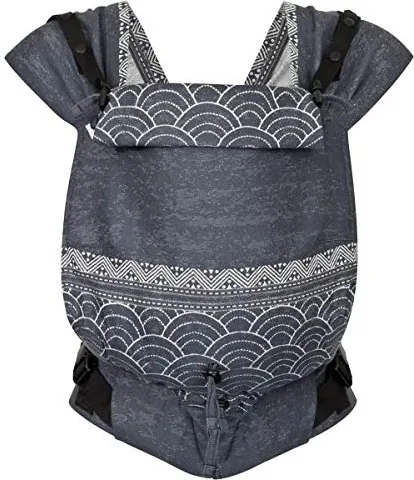
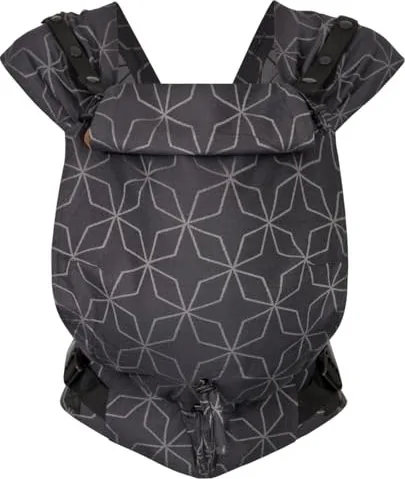
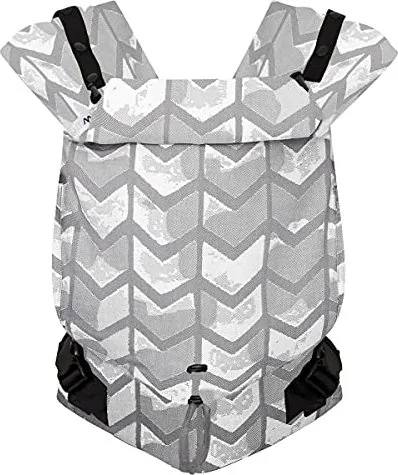
The Hoppediz Primeo Baby Carrier - Read, Download & Print Free is designed to support close, practical babywearing from the earliest days through the toddler stage. Suitable for children weighing approximately 5.5 to 33 lbs (2.5 to 15 kg), it offers adjustable settings that help parents create a secure, body-hugging fit as their child grows.
Adjustable support for everyday carrying
A key feature of the Primeo is its adaptable back panel. Two drawstrings allow the seat width and panel height to be adjusted to the baby's size. The seat should extend from knee pit to knee pit, encouraging the recommended spread-squat position. For newborns, the upper drawstring can form a smaller pouch that provides added support while the baby is still developing head control.
The carrier uses D-rings and marked straps for individualized fitting. These markers make it easier for caregivers of different heights to remember their preferred adjustments. Shoulder straps can be spread across the shoulders for comfort, while the waist belt helps distribute weight close to the wearer's body.
Front and back carrying options
Front carrying is intended from the first day of life when the baby is correctly positioned and faces the wearer. The close fit helps support the baby's back, while the integrated headrest can be gathered and secured when extra neck support is needed. The baby's face should always remain visible and clear of fabric.
Once a child can reliably hold up their own head, generally from around four months, the Primeo can also be used for back carrying. This position moves the weight to the wearer's back and leaves the front of the body more open for daily movement. A chest strap helps keep the shoulder straps in place during back carrying.
Care and safe use
The Hoppediz Primeo Baby Carrier is machine washable at up to 40 C. Avoid fabric softener, high-speed spinning above 1,000 rpm, and tumble drying. Before every use, check buckles, knots, straps, seams, and fabric for damage or wear.
Note: Keep the baby close enough to maintain body contact when bending forward, but never cover the baby's face or restrict airflow. Bend at the knees rather than the waist, and avoid using the carrier during sports, near heat or chemicals, or in motorized vehicles.
Search for 67,706 Manuals online


Type-in Brand or Model