

Free Hertz Manuals – Read, Download & Print
24 Manuals
Manuals
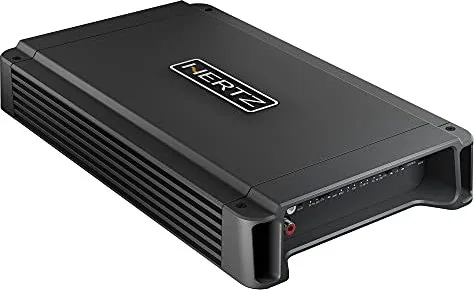
48 Pages
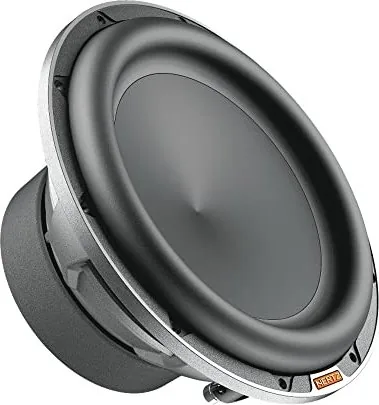
20 Pages
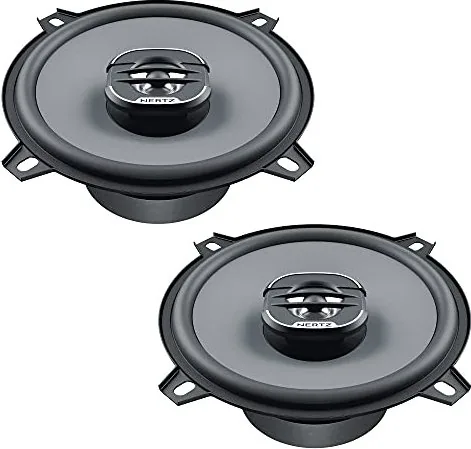
12 Pages

36 Pages
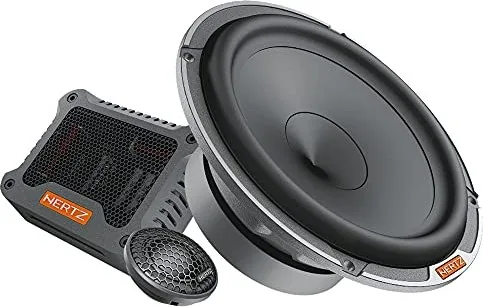
36 Pages
36 Pages
48 Pages
52 Pages
48 Pages
44 Pages
45 Pages

20 Pages
22 Pages
19 Pages
22 Pages
36 Pages
36 Pages
36 Pages
36 Pages
56 Pages
60 Pages
20 Pages
16 Pages

20 Pages
Categories

Understanding Hertz Manuals
Hertz manuals are comprehensive documentation resources designed to assist users, fleet managers, and maintenance personnel with the operation, care, and troubleshooting of vehicles rented from or owned by Hertz. These documents serve as critical guides that ensure safety, efficiency, and longevity for a wide range of automotive equipment. Whether you are driving a compact sedan for a weekend getaway or operating a heavy-duty truck for business logistics, having access to accurate and detailed information is essential.
The Importance of Vehicle Documentation
When renting a vehicle, customers often face unfamiliar controls, features, and maintenance requirements. Hertz manuals bridge this gap by providing clear instructions on how to operate specific models effectively. For individual renters, these guides help prevent accidents caused by user error and ensure that all safety features function correctly. For corporate fleets, having standardized manuals allows for consistent training programs across different locations and vehicle types. This standardization reduces liability risks and improves overall operational performance.
The documentation also plays a vital role in vehicle longevity. Regular maintenance is key to keeping any machine running smoothly. Hertz manuals outline recommended service intervals, fluid checks, and inspection procedures that keep vehicles in top condition. By adhering to these guidelines, fleet operators can minimize downtime and avoid costly repairs. Furthermore, proper maintenance ensures that rental vehicles remain safe for the next customer, maintaining the company's reputation for reliability.
Types of Hertz Manuals Available
Hertz utilizes various types of manuals tailored to different needs and audiences. Service manuals are primarily intended for mechanics and technical staff. These documents contain intricate details about engine components, electrical systems, transmission layouts, and diagnostic codes. They include step-by-step repair procedures, torque specifications, and wiring diagrams necessary for complex fixes.
Owner manuals, often referred to as driver guides, are designed for the end-user. These books cover basic operations such as adjusting seats, using climate control systems, activating navigation, and understanding dashboard warning lights. They provide safety warnings and legal compliance information relevant to the specific jurisdiction where the vehicle is being used. While less technical than service manuals, they are crucial for daily usability.
Fleet management guides are another category specifically created for administrative staff. These resources focus on tracking vehicle usage, managing fuel consumption, scheduling maintenance, and handling insurance claims. They often include digital tools and software interfaces that integrate with broader fleet management systems. This type of manual helps organizations optimize their vehicle portfolios and reduce overhead costs.
Accessing Digital Resources
In the modern era, many Hertz manuals have transitioned from physical paper copies to digital formats. This shift offers several advantages including easier updates, searchable content, and accessibility from multiple devices. Users can access these digital manuals through secure online portals provided by Hertz. Fleet managers typically require login credentials to view sensitive technical data, while general drivers might find simplified versions available at the rental counter or via mobile apps.
Digital platforms allow for real-time updates. When a manufacturer issues a recall or changes a specification, the digital manual can be updated immediately without printing new copies. This ensures that everyone has the most current information. Additionally, multimedia elements such as videos and interactive 3D models can enhance understanding of complex procedures. For example, a video demonstration on how to change a tire can be more effective than text alone.
Search functionality is a major benefit of digital manuals. Instead of flipping through hundreds of pages, users can type keywords like "brake fluid" or "battery replacement" and instantly locate the relevant section. This saves time and reduces frustration during urgent situations. Mobile compatibility means that technicians can carry the entire library in their pockets, accessing it directly from tablets or smartphones while working under the hood of a vehicle.
Safety Protocols and Emergency Procedures
One of the most critical aspects covered in Hertz manuals is safety. Every document includes detailed sections on emergency protocols. These instructions guide users on what to do in case of a breakdown, accident, or natural disaster. They explain how to properly use emergency kits, set up warning triangles, and contact roadside assistance services.
Manuals also emphasize defensive driving techniques and vehicle-specific limitations. For instance, if a rental car has limited traction control capabilities, the manual will advise caution in wet or snowy conditions. Understanding weight limits for cargo areas is another important safety feature highlighted in these guides. Overloading a vehicle can lead to brake failure or loss of control, so clear warnings are provided to prevent such scenarios.
Fire safety is another area addressed comprehensively. Users are taught how to identify fire hazards, use onboard extinguishers, and evacuate safely. In the event of an airbag deployment, the manual provides post-incident steps to take before resuming travel. These proactive measures protect both the driver and passengers, reducing the severity of potential injuries.
Environmental Considerations
Sustainability is increasingly becoming a priority for Hertz, and their manuals reflect this commitment. Modern guides include sections on eco-driving practices that help reduce fuel consumption and lower emissions. Tips on smooth acceleration, maintaining steady speeds, and proper tire inflation are common topics. By following these suggestions, users can contribute to environmental conservation efforts while saving money on fuel costs.
Electric and hybrid vehicles present unique challenges and opportunities. Hertz manuals for these models provide specific charging instructions, battery management tips, and regenerative braking explanations. Users learn how to maximize the electric range and understand the differences between plug-in hybrids and fully electric cars. Proper handling of high-voltage systems is emphasized to ensure safety during charging and maintenance activities.
Recycling and disposal procedures are also outlined. At the end of a vehicle's life cycle, responsible disposal of batteries, fluids, and tires is mandatory. Manuals guide fleet managers on how to partner with certified recycling facilities to handle hazardous materials appropriately. This ensures compliance with environmental regulations and minimizes the ecological footprint of the fleet.
Training and Education Programs
Hertz invests heavily in training its staff and partners using these manuals as foundational material. Comprehensive education programs ensure that every employee understands the latest vehicle technologies and safety standards. New hires undergo rigorous testing based on manual content before they are allowed to handle vehicles independently. Continuous learning is encouraged through workshops and online courses that reference specific chapters from the documentation.
For external partners, such as rental agencies or leasing companies, Hertz provides customized training sessions. These sessions utilize excerpts from the manuals to teach best practices in vehicle handling and maintenance. Collaboration with manufacturers often leads to specialized training modules that focus on emerging technologies like autonomous driving features or advanced driver-assistance systems.
Education extends beyond the workplace. Hertz sometimes makes simplified versions of their manuals available to the public to promote road safety awareness. Community outreach programs use these materials to educate young drivers and parents on the importance of reading vehicle guides before getting behind the wheel. This proactive approach fosters a culture of safety and responsibility among all road users.
Future Trends in Documentation
The landscape of vehicle documentation is evolving rapidly. Artificial intelligence and augmented reality are beginning to play significant roles in how manuals are delivered and consumed. Imagine pointing your smartphone camera at a car part and seeing instant repair instructions overlaid on the screen. This technology could revolutionize the way maintenance is performed, making it faster and more intuitive.
Predictive maintenance powered by big data analytics is another trend. Manuals may soon integrate with vehicle telematics to suggest repairs before failures occur. If a sensor detects unusual vibration patterns, the system could automatically pull up the relevant section of the manual explaining the issue and the solution. This integration creates a seamless experience where the vehicle itself communicates its needs to the operator.
Cloud-based collaboration tools will likely become standard, allowing teams to share notes and updates in real time. A mechanic fixing a transmission could upload photos and comments that are instantly visible to the fleet manager and other technicians. This level of connectivity enhances communication and accelerates problem-solving processes across global networks.
In conclusion, Hertz manuals are indispensable tools that support safe, efficient, and sustainable vehicle operations. From guiding individual renters through daily tasks to empowering professional mechanics with deep technical knowledge, these documents form the backbone of vehicle management strategies. As technology advances, these resources will continue to adapt, offering even greater value to users worldwide.
Search for 67,732 Manuals online


Type-in Brand or Model