

Free Hendi Manuals – Read, Download & Print
13 Manuals
Manuals
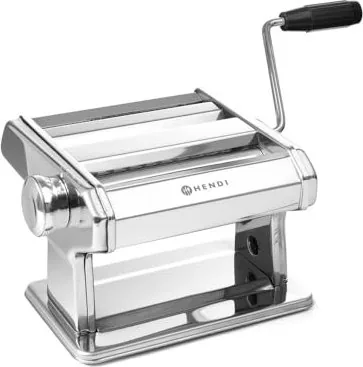
5 Pages
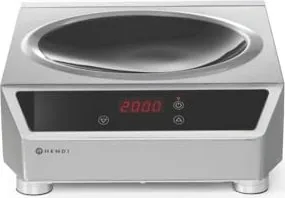
44 Pages
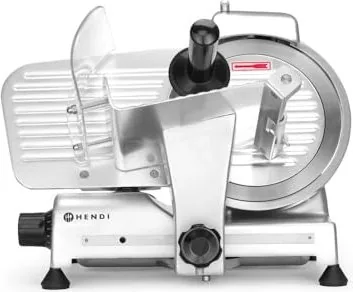
60 Pages
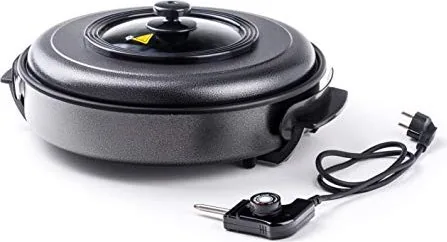
32 Pages
76 Pages
128 Pages
60 Pages
28 Pages
72 Pages
32 Pages
8 Pages
60 Pages
96 Pages
Categories


Free Hendi Manuals - Read, Download & Print
Find free Hendi manuals in one convenient place for popular kitchen equipment, catering appliances, food service tools, and professional hospitality products. Whether you need to set up a new appliance, check operating instructions, locate safety information, or troubleshoot an issue, a clear manual can save time and help you use your equipment correctly. Read Hendi manuals online, download them for later reference, or print essential pages for your kitchen, bar, restaurant, hotel, bakery, or catering workspace.
Access Hendi Product Instructions When You Need Them
Hendi equipment is widely used in commercial kitchens and food service environments where reliable operation, hygiene, and safety are essential. Product documentation provides practical information for daily use, including installation details, control functions, cleaning guidance, maintenance requirements, and technical specifications. Keeping the right manual close at hand makes it easier for staff and operators to follow recommended procedures.
Free manuals are especially useful when original paperwork has been misplaced, equipment has changed owners, or a team needs an additional copy for training. Digital manuals can be viewed on a computer, tablet, or phone, allowing you to check instructions while standing near the appliance. Downloadable copies also make it simple to create an organized equipment library for your business.
Read Manuals Online
Reading a Hendi manual online is a quick option when you only need an answer to a specific question. Search for the relevant product model and review the available instructions without storing files on your device. Online access is useful for checking a control setting, confirming a recommended cleaning method, identifying parts, or reviewing warning messages.
Many manuals are arranged in sections, making it easier to find the information you need. Typical sections include product introduction, safety precautions, installation, operation, cleaning, maintenance, troubleshooting, and technical data. Use document search tools when available to locate terms such as temperature, reset, filter, power, cleaning, error, or warranty.
Download Manuals for Offline Use
Downloading a Hendi manual gives you permanent access to important product information, even when an internet connection is unavailable. This can be helpful in busy kitchens, mobile catering operations, storage areas, or locations where staff need documentation immediately. Save files using clear names that include the product type, model number, and date of download.
For example, you may organize files by appliance category, such as cooking equipment, refrigeration, beverage preparation, food processing, buffet equipment, or cleaning tools. A structured manual folder helps managers and team members quickly find the correct document instead of searching through paper files or outdated links.
Print Important Pages for Your Workplace
Printed manuals and quick-reference pages remain useful in professional food service settings. Place a printed copy near equipment where it can be consulted safely without handling personal devices during food preparation. You may also print selected pages covering daily operation, cleaning schedules, error codes, emergency procedures, and maintenance checks.
When printing, make sure documents are stored away from heat, moisture, grease, and direct splash zones. Use protective sleeves or a binder for long-term reference. For frequently used equipment, consider creating a clearly labeled operating station folder that includes the manual, service records, cleaning logs, and staff training notes.
Types of Hendi Manuals You May Need
Hendi documentation can cover a broad selection of hospitality and kitchen equipment. The exact content depends on the product, but manuals commonly support both routine users and qualified technicians. Always identify the correct model before following instructions, as controls, capacities, electrical requirements, and safety procedures can vary between versions.
Cooking and Heating Equipment
Manuals for cooking equipment may include instructions for induction cookers, hot plates, fryers, ovens, grills, rice cookers, soup kettles, warming units, and other heat-based appliances. These guides often explain safe placement, ventilation requirements, preheating, temperature controls, oil handling, and shutdown procedures.
Pay close attention to warnings about hot surfaces, electrical connections, gas components where applicable, and minimum clearance around the appliance. Proper use can improve cooking consistency while reducing unnecessary wear and helping maintain a safer work environment.
Refrigeration and Food Storage Equipment
Refrigeration manuals can help operators understand temperature settings, loading limits, airflow requirements, defrosting procedures, and cleaning instructions. This information is important for protecting food quality and supporting safe storage practices. Avoid blocking vents or overfilling refrigerated units, as restricted airflow can affect performance.
Consult the manual if a refrigerator, freezer, display cooler, or ice-related product shows unusual temperatures, noise, condensation, or warning indicators. The troubleshooting section may identify basic checks that can be performed before arranging professional service.
Beverage and Bar Equipment
Hendi manuals may also cover coffee equipment, water boilers, blenders, drink dispensers, ice machines, milkshake mixers, and bar accessories with powered components. These documents can explain correct assembly, filling levels, recommended operating cycles, and cleaning steps.
Regular cleaning is particularly important for beverage equipment because residues can affect taste, hygiene, and mechanical performance. Follow the manufacturer's recommendations for compatible cleaning products and avoid using aggressive chemicals or abrasive tools unless specifically approved for the item.
Food Preparation Machines
Manuals for mixers, slicers, grinders, cutters, vacuum packers, food processors, and similar preparation equipment often include important safety information. Blades, moving components, and powerful motors require careful handling. Review instructions before cleaning, changing attachments, clearing jams, or carrying out routine maintenance.
Never bypass guards, safety switches, or protective covers. If the machine operates differently than expected, disconnect it from power according to the manual and inspect only the user-serviceable areas described in the documentation. More complex repairs should be handled by qualified personnel.
How to Find the Correct Hendi Manual
The best way to locate the right manual is to begin with the product model number. This identifier is usually printed on a rating plate, label, or product housing. Depending on the item, the label may be found on the back, underside, side panel, inside a door, or near the electrical connection. Record the complete model number, including letters, digits, and revision details.
Search using the brand name, the model number, and the word manual. Product names alone may lead to several similar results, while the full model number improves accuracy. Before downloading or printing a document, compare the title, images, technical details, and product references with your equipment.
Check the Rating Plate Details
In addition to the model number, the rating plate may list voltage, wattage, serial number, manufacturing details, and safety markings. These details are valuable when ordering replacement parts, reporting a fault, or confirming that the appliance is suitable for your electrical supply.
Do not rely on a manual for a similar-looking product if the model details do not match. Differences in power rating, capacity, control layout, and accessories can affect safe operation. If you are uncertain, use the product information and consult an authorized supplier or service professional.
Safe Use, Cleaning, and Maintenance
A manual is not only a setup guide. It is also an important source of safety and maintenance information. Read the safety section before first use, especially for appliances that heat, cool, cut, mix, pressurize, or use electrical power. Ensure staff receive appropriate training and understand the equipment's intended use.
Cleaning guidance should be followed carefully. Turn off and disconnect equipment when required, allow hot surfaces to cool, and avoid immersing electrical parts unless the manual clearly states that this is permitted. Use soft cloths, suitable detergents, and approved descaling products where applicable. Consistent cleaning helps maintain hygiene and can prevent faults caused by grease, food debris, mineral buildup, or blocked vents.
Routine maintenance may include checking cables, seals, filters, fasteners, drainage points, or moving parts. Record maintenance activities so recurring issues can be identified early. If a manual specifies inspection intervals or replacement schedules, include them in your workplace maintenance plan.
Troubleshooting Common Equipment Issues
The troubleshooting section of a Hendi manual can provide useful first checks for common problems. These may include an appliance not powering on, incorrect temperature, reduced heating performance, unusual sounds, leaks, blocked drainage, error displays, or controls that do not respond.
Start with simple checks described in the manual, such as confirming the power supply, checking that switches are correctly set, verifying that doors or safety guards are closed, or allowing the unit to cool before restarting. Do not attempt repairs that require opening sealed housings, modifying wiring, or removing protective components. For persistent faults, contact qualified service support and provide the model number, serial number, and a clear description of the issue.
Build a Reliable Manual Library
Keeping free Hendi manuals available for reading, downloading, and printing helps create a more organized and confident workplace. Store digital copies in a shared folder, label printed binders clearly, and update documents when equipment is replaced or upgraded. Make sure employees know where to find the information they need.
With the correct Hendi manual, operators can install equipment properly, use it efficiently, clean it safely, and respond appropriately to basic problems. Access to clear instructions supports better equipment care, smoother staff training, and more reliable day-to-day food service operations.
Search for 67,732 Manuals online


Type-in Brand or Model