
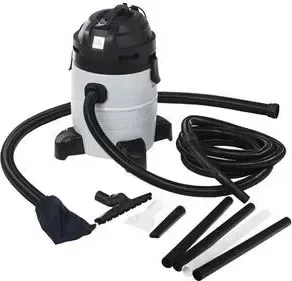
Heissner F636-PXC Pond Sludge Vacuum Manual
PDF manual · 72 Pages
English



Quick check
Incorrect answer, please try again.
Chat with your Heissner F636-PXC Pond Sludge Vacuum manual using AI
Get instant AI answers from your Heissner F636-PXC Pond Sludge Vacuum manual
Ask anything about the Heissner F636-PXC Pond Sludge Vacuum. Answers come from this manual, with the pages they are based on.
F636-PXC Pond Sludge Vacuum Maintenance Schedule
Verify the filter sponge is correctly mounted on the float cage before every use. Replace immediately if defective and let it dry before reuse.
Examine the mains cable and plug periodically or before use for any signs of damage. Do not use the device if damaged; dispose of the unit as cables cannot be replaced.
Manually empty the tank by pouring out contents or using the drain hose. Ensure the tank is fully empty before storing or restarting the device.
Ask a Question
Do you recommend F636-PXC Pond Sludge Vacuum?
Yes NoDo you recommend F636-PXC Pond Sludge Vacuum?
Yes NoFrequently Asked Questions
No, the device is not suitable for permanent operation such as emptying ponds or cisterns. It is designed for removing sediments like sludge, algae, and leaves, not for complete water drainage.
Is this answer helpful?
Absolutely not. You must never operate the device if there are any persons in the water. Additionally, ensure no one is within reach of the suction nozzle to avoid injury.
Is this answer helpful?
A damaged connection cable cannot be replaced. If the cable is broken, you must dispose of the unit immediately. Do not attempt to repair or continue using a damaged cord due to electrocution risks.
Is this answer helpful?
In automatic mode, the device waits about 10 seconds before starting, then sucks for roughly 30 seconds, empties for 20 seconds, and repeats. These times are fixed and cannot be changed by the user.
Is this answer helpful?
Yes, you must always mount the filter sponge over the floating cage before each use to prevent water or dust from entering the motor head. Check it regularly and replace if defective.
Is this answer helpful?
Advantages and Disadvantages
Advantages

- Versatile dual-functionality allows use as both a wet vacuum and a pond sludge remover.
- Automatic mode simplifies operation with pre-set suction and emptying cycles.
- Float switch prevents overflow by stopping suction when the tank is full.
- Dedicated pond nozzle and extension tubes facilitate deep cleaning of water bottoms.
Disadvantages

- Cannot be used for continuous operation like fully draining large cisterns.
- Automatic timing cycles are fixed and cannot be adjusted by the user.
- Damaged power cables cannot be replaced and require unit disposal.
- Requires strict supervision and adherence to safety distances during use.
Product Specification
Power
1400 W
Flow Rate
793 gal/h
Max Lift Height
5.91 ft
Weight
19.84 lbs
Package Contents
4x Pipe, 2x Nozzle, 13.12 ft Suction Hose, 4.92 ft Discharge Hose
Product Description
The Heissner F636-PXC Pond Sludge Vacuum Manual: Your Guide to Crystal Clear Water
Maintaining a pristine garden pond or swimming pool requires the right tools, and the Heissner F636-PXC Pond Sludge Vacuum stands out as a reliable solution for homeowners. This versatile device is designed specifically for non-professional use, making it perfect for private households looking to remove sediment, algae, moss, leaves, and mud from the bottom of their water features. Unlike generic wet and dry vacuums, this unit offers specialized configurations to handle the unique challenges of underwater cleaning without risking damage to your equipment or personal safety.
The manual for the Heissner F636-PXC Pond Sludge Vacuum provides comprehensive instructions on how to assemble and operate the machine safely. It highlights two distinct operating modes: manual and automatic. In manual mode, the user has direct control, allowing them to vacuum until the tank is full. A float switch automatically stops the suction when the container reaches capacity, signaled by a change in motor sound. For those who prefer a set-it-and-forget-it approach, the automatic mode cycles through suction and emptying phases with pre-programmed timings, though users must remain nearby to monitor the process.
Safety is paramount when working near water. The guidelines emphasize maintaining a safe distance of at least two meters from the edge of the pond or pool while operating the device. It is strictly forbidden to use the vacuum when people are in the water or during rainy weather. The unit is not intended for draining entire ponds or cisterns but rather for targeted sludge removal. Proper assembly of the filter sponge is crucial to prevent water or dust from entering the motor head, ensuring longevity and performance.
Whether you are clearing debris after autumn leaf fall or performing routine maintenance, understanding the operation of the Heissner F636-PXC Pond Sludge Vacuum ensures efficient results. By following the detailed steps for mounting extension tubes, selecting the correct nozzle, and managing the waste tank, you can keep your aquatic environment healthy and visually appealing year-round.
Search for 67,732 Manuals online


Type-in Brand or Model