

Free Haeger Manuals – Read, Download & Print
23 Manuals
Manuals
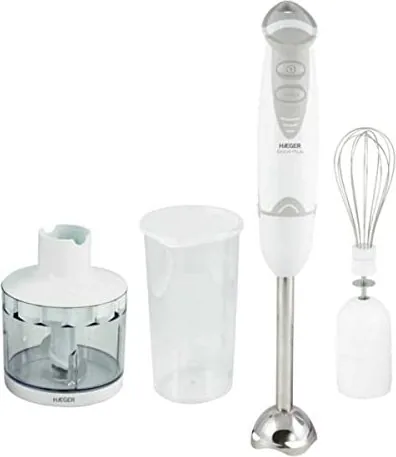
24 Pages
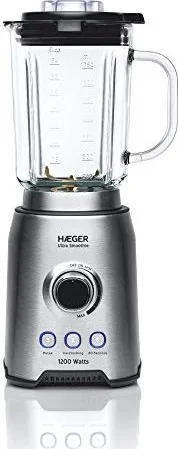
44 Pages
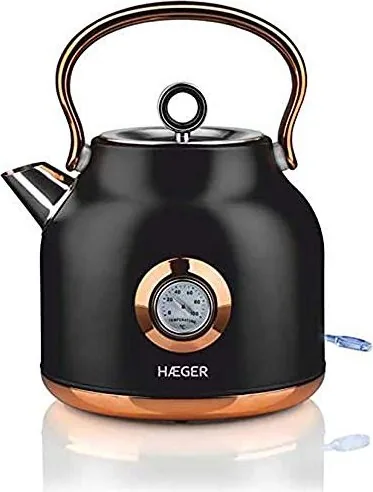
32 Pages
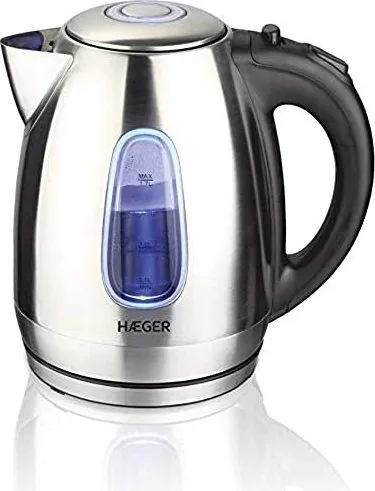
32 Pages
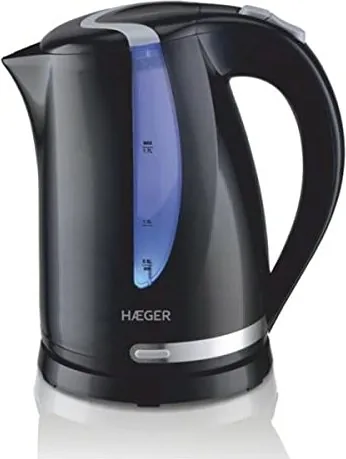
32 Pages
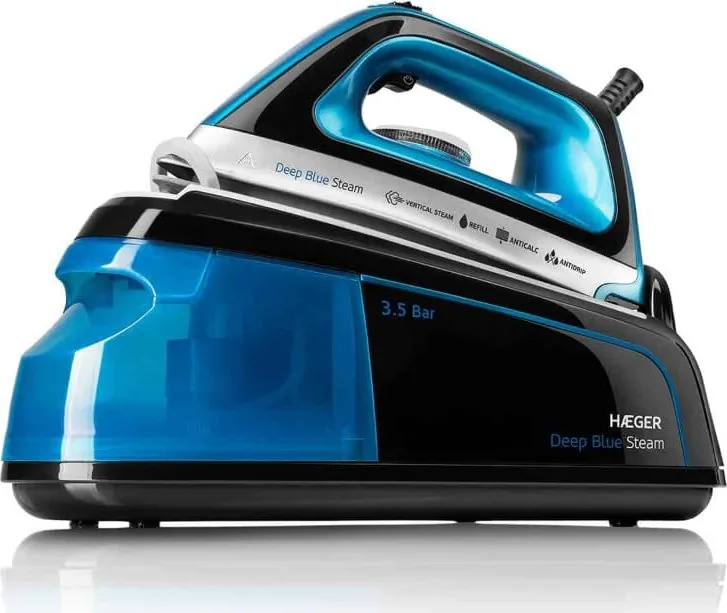
60 Pages
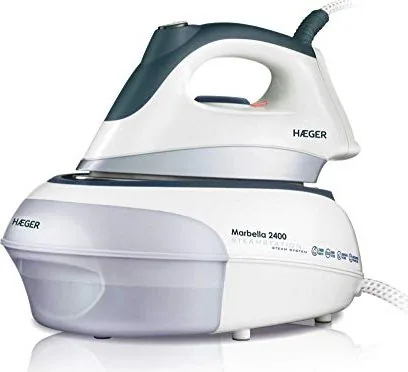
48 Pages
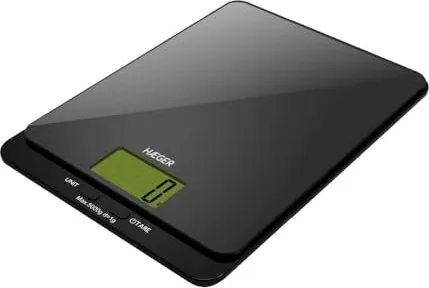
20 Pages

20 Pages
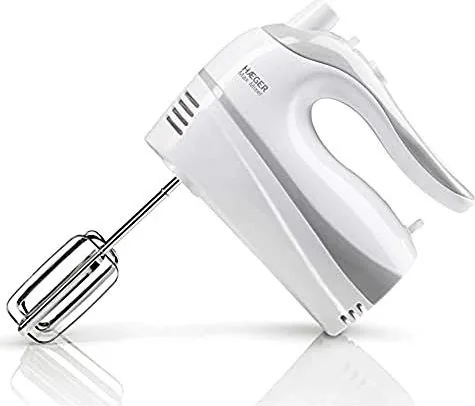
36 Pages

24 Pages
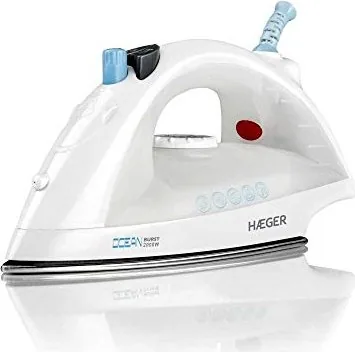
36 Pages
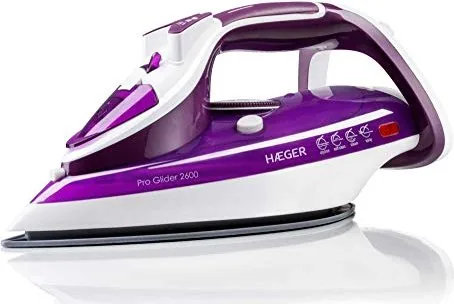
36 Pages

24 Pages

20 Pages
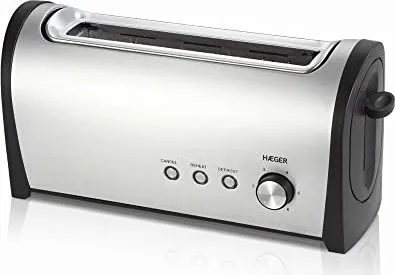
28 Pages
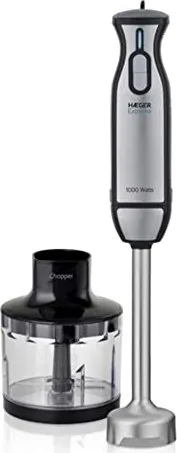
24 Pages
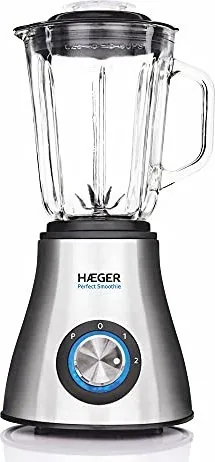
32 Pages

20 Pages
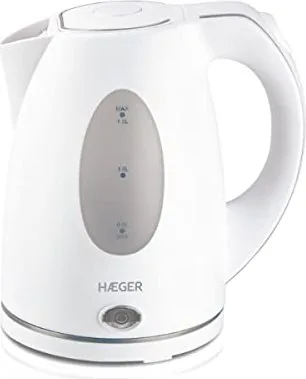
32 Pages

36 Pages
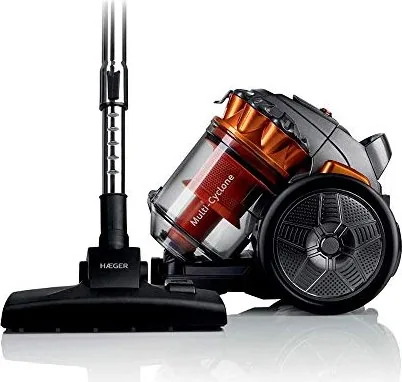
36 Pages
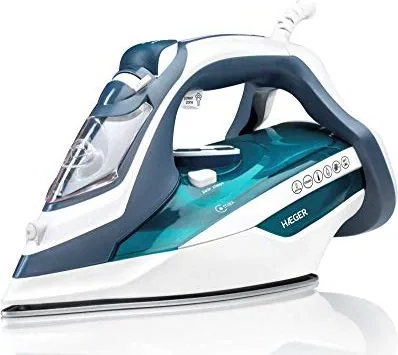
52 Pages
Categories


Haeger Manuals: The Definitive Guide to Ceramic Manufacturing Excellence
Introduction to Haeger and Its Legacy
Haeger has long been a cornerstone in the world of ceramic manufacturing, particularly renowned for its innovative machinery used in the production of tableware, dinnerware, and decorative ceramics. For over a century, the company has set industry standards through engineering precision and technological advancement. The Haeger manuals serve as the critical link between these sophisticated machines and the operators who run them daily. These documents are not merely instruction booklets; they are comprehensive guides that encapsulate decades of engineering knowledge, safety protocols, operational procedures, and maintenance strategies. Understanding the content within these manuals is essential for any facility utilizing Haeger equipment, ensuring optimal performance, longevity of the machinery, and the highest quality of finished ceramic products.
The history of Haeger dates back to the early 20th century when the need for automated ceramic production became apparent. As the demand for mass-produced ceramics grew, so did the complexity of the manufacturing processes. Haeger responded by developing specialized presses, dryers, and transfer machines that could handle high volumes with consistent accuracy. Today, while the technology has evolved into highly automated systems with digital controls, the core principles remain rooted in the foundational designs documented in the original Haeger manuals. These manuals have been updated continuously to reflect new safety regulations, material science advancements, and efficiency improvements, making them living documents that adapt to the changing landscape of industrial ceramics.
Structure and Content Overview
A typical Haeger manual is structured to guide users from basic setup to advanced troubleshooting. The document usually begins with an introduction that outlines the specific model of the machine, its intended applications, and key specifications. This section often includes detailed diagrams of the machine layout, identifying major components such as the hydraulic system, mechanical arms, conveyor belts, and control panels. Visual aids are crucial in these manuals because they allow operators to quickly locate parts without needing extensive technical training. Following the introduction, there is a dedicated safety chapter that cannot be overstated in importance. It covers lockout-tagout procedures, emergency stop mechanisms, personal protective equipment requirements, and hazard warnings associated with moving parts or high-pressure systems.
The operational section provides step-by-step instructions for starting up the machine, loading raw materials, adjusting settings, and shutting down the unit safely. These steps are often broken down into logical sequences to prevent operator error. For example, a press operation manual will detail the sequence for setting die pressure, selecting the appropriate cycle time, and monitoring the ejection process. Each parameter is explained with recommended ranges based on the type of clay body being used. This level of detail ensures that operators can produce uniform products regardless of their experience level. Additionally, many modern Haeger manuals include sections on programmable logic controller (PLC) interfaces, allowing technicians to modify cycles and monitor diagnostics directly from the human-machine interface screen.
Maintenance is another pillar of the Haeger manual series. Preventive maintenance schedules are outlined clearly, specifying intervals for lubrication, filter changes, belt tension checks, and calibration of sensors. Neglecting these tasks can lead to premature wear, unexpected downtime, or even catastrophic failure of critical components. The manuals often include torque specifications for bolts, types of grease required for different joints, and replacement part numbers. This information is vital for maintenance teams who must keep the production line running smoothly. By adhering to the maintenance guidelines found in the manual, facilities can significantly extend the lifespan of their Haeger equipment and reduce overall operating costs.
Troubleshooting and Diagnostic Procedures
One of the most valuable aspects of the Haeger manuals is the troubleshooting section. Even with regular maintenance, machines can encounter issues due to wear, environmental factors, or material inconsistencies. The troubleshooting guide acts as a diagnostic tool, helping operators identify the root cause of problems before they escalate. Common issues addressed include misalignment of molds, inconsistent pressing pressure, sensor malfunctions, and conveyor jams. Each problem is paired with a list of potential causes and corresponding solutions. For instance, if a press fails to eject a product, the manual might suggest checking the air pressure, inspecting the ejector pins for debris, or verifying the timing of the cycle program.
Modern manuals also incorporate flowcharts and decision trees to simplify the diagnostic process. These visual tools guide the user through a series of yes-or-no questions, narrowing down the possibilities until the solution is found. This approach reduces the time spent on repairs and minimizes the risk of incorrect interventions. Furthermore, some advanced manuals include codes related to error messages displayed on the control panel. Operators can cross-reference these codes with a provided table to understand what the machine is indicating and take immediate corrective action. This capability empowers frontline staff to resolve minor issues independently, reducing reliance on external service calls and keeping production schedules intact.
Training and Knowledge Transfer
Haeger manuals play a pivotal role in training new employees and standardizing operations across multiple shifts. In a fast-paced manufacturing environment, consistency is key to maintaining product quality. When every operator follows the same procedures outlined in the manual, the variability in output decreases significantly. New hires can use the manual as a reference guide during their initial weeks on the job, learning the nuances of the machine under the supervision of experienced mentors. Over time, the manual becomes a trusted resource that supports continuous improvement initiatives. Management can review the documented procedures to identify areas where efficiency can be improved or where safety enhancements are needed.
Moreover, the manuals facilitate knowledge transfer when veteran workers retire or leave the company. Without these detailed records, institutional knowledge could be lost, leading to a decline in productivity and quality. The written documentation preserves the expertise of past engineers and operators, ensuring that future generations have access to the same high standards of operation. This continuity is especially important in industries like ceramics, where small deviations in process parameters can result in significant defects in the final product. By investing in comprehensive manuals, Haeger and its customers ensure that the legacy of quality craftsmanship continues unabated.
Adaptation to Modern Technology
As the ceramic industry moves towards Industry 4.0, Haeger manuals are evolving to reflect these technological shifts. Digital versions of the manuals are now available, offering search functionality, interactive diagrams, and video tutorials. These digital resources make it easier for operators to find specific information quickly, whether they are standing next to the machine or working remotely. Some manuals include QR codes that link to online support forums or video demonstrations of complex procedures. This integration of digital tools enhances the utility of the manuals, making them more accessible and user-friendly than ever before.
Furthermore, the manuals are increasingly addressing the integration of smart sensors and data analytics. Modern Haeger machines generate vast amounts of data regarding cycle times, energy consumption, and defect rates. The updated manuals explain how to interpret this data to optimize production workflows. They guide users on setting up predictive maintenance alerts based on real-time metrics, allowing facilities to address potential issues before they cause downtime. This forward-looking approach ensures that Haeger remains at the forefront of ceramic manufacturing innovation, providing tools that help customers stay competitive in a rapidly changing market.
Conclusion
In summary, Haeger manuals are indispensable resources for anyone involved in ceramic manufacturing. They combine historical wisdom with cutting-edge technology to provide a complete framework for operating, maintaining, and troubleshooting Haeger machinery. From safety protocols to advanced diagnostic procedures, these documents cover every aspect of the machine lifecycle. By following the guidance contained within them, manufacturers can achieve higher levels of efficiency, safety, and product quality. Whether printed on paper or accessed digitally, the Haeger manuals stand as a testament to the company's commitment to excellence and its enduring impact on the global ceramic industry.
Search for 67,732 Manuals online


Type-in Brand or Model