Manual.ly Logo

GEV Gas Finder FMG 3385 Manual

0.0 · 0 Ratings

PDF manual · 2 Pages

English

M: gpt-5.6-terra
page

/ 2

Loading...
0b09f1248ee518f4c39b33604b133fa767b7 page 1
Gas Finder
D
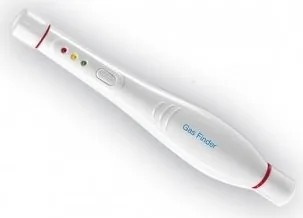
Gas Finder FMG 3385
Produktbeschreibung
Finden Sie Gaslecks oder ausströmendes Gas und verhindern Sie so Unfälle.
Der portable Gas Finder ist ein Gasdetektor für den Einsatz in geschlossenen
Räumen. Mit ihm können schnell Gaslecks oder erhöhte Gaskonzentrationen
ermittelt werden. Sowohl über die dreistufige LED-Anzeige, als auch über ein
akustische Warntöne. Der Gas Finder besitzt einen elektrochemischen Sensor
mit einem festen Verfallsdatum (siehe Verpackung/ und Typenschild).
Produktspezifikationen
Erkennt folgende Gase: LPG (Propan, Butan), Erdgas
Alarmanzeige: Dreistufiges LED-Display, grün, gelb und rot (Abb. A2)
Inbetriebnahme
Vor der ersten Inbetriebnahme ziehen Sie die Schutzkappe des Gas Finders ab
(Abb. A1) und entfernen das Silikonkissen aus dem Inneren der Kappe. Danach
stecken Sie die Kappe unbedingt wieder auf. Önen Sie das Batteriefach (Abb.
B) und fügen zwei Alkaline- Batterien (2x Typ AA 1,5 V) in den Gas Finder ein
(Abb. C) (auf richtige Polarität achten). Danach das Batteriefach schließen.
Betätigen Sie den Hauptschalter (Abb. A3) um das Gerat zu aktivieren und
halten diesen ununterbrochen während des Einsatzes. Das Gerät beginnt
sich zu kalibrieren. Während der Kalibrierung blinkt die grüne LED 1x pro Sek.
Sobald die grüne LED konstant leuchtet, ist der Gas Finder einsatzbereit Fahren
Sie mit dem Sensorkopf über die Önung die Sie testen wollen oder bewegen
Sie den Sensor langsam in dem zu prüfenden Areal hin und her. Wenn das
Gerät Gas entdeckt, beginnt die rote LED zu blinken.
Alarm-Muster
Rote LED blinkt alle 0,5 Sek. und piept 1x pro Sek.= niedrige Gaskonzentration
(<2500 ppm). Rote LED blinkt viermal pro Sek. und piept simultan= hohe
Gaskonzentration (> 5000 ppm). Wenn Sie das Gerät nicht weiter verwenden
möchten, lassen Sie einfach den Hauptschalter los.
Achtung
Nachdem das Gerät eine Gaskonzentration gemessen und angezeigt hat,
benötigt der Gas Finder ca. 5 - 10 Min. um sich zu rekalibrieren. In dieser Zeit
sind keine weiteren Messvorgange möglich. Setzen Sie nach Gebrauch die
Schutzkappe wieder auf.
Geräte-Stati
Status/Anzeige Grüne LED Gelbe LED Rote LED Signal
Ein Nein 1x 1x Piepton
Kalibrierung 1x pro Sek. Nein Nein nein
Standby Immer an Nein Nein nein
Batteriestand Nein 1x per 2 Sek. Nein synchron mit
niedrig gelber LED
Geringer Immer an Nein 0,5 Sek. Einmal pro
Gasstandsalarm Sek.
Hoher Immer an Nein 4x pro Sek. syncron mit
Gasstandsalarm roter LED
Fehler Immer an 1x per 2 Sek. nein synchron mit
Gassensor gelber LED
Wartungs- und Sicherheitshinweise
1. Achten Sie darauf, dass der Detektorkopf nicht mit Schmutz, Flüssigkeiten
oder Fetten in Berührung kommt.
2. Sie können die Funktionsfähigkeit des Gerätes testen, in dem Sie den
vorangegangenen Anweisungen folgen und z. B. Gas aus einem Feuerzeug
austreten lassen und den Gas Finder direkt über die Austrittsöffnung
halten.
3. Der Gas Finder darf nicht von ungeschultem Personal geönet oder repariert
werden.
Batteriekapazität/Batteriewechsel
Fällt die Spannung der eingelegten Batterien unter den kritischen Wert, beginnt
die gelbe LED 2x pro Sek. zu blinken. Dazu ertönt synchron ein Piepton. Das
Gerät ist nicht betriebsbereit. In diesem Fall müssen Sie die Batterien durch
neue ersetzen.
Batterie- und Akkuhinweise
Altbatterien dürfen nicht mit dem unsortierten Hausmüll entsorgt werden.
Besitzer von Altbatterien sind gesetzlich zur Rückgabe verpflichtet und
können diese unentgeltlich bei den Verkaufsstellen zurückgeben.
Batterien enthalten umwelt- und gesundheitsschädliche Stoe und müssen
daher fachgerecht entsorgt werden.
Recycling-Hinweise
Dieses Gerät darf nicht mit dem unsortierten Hausmüll entsorgt werden.
Besitzer von Altgeräten sind gesetzlich dazu verpflichtet, dieses Gerät
fachgerecht zu entsorgen. Informationen erhalten Sie von Ihrer Stadt-
bzw. Gemeindeverwaltung.
Technische Daten
Betriebsspannung: 2 x AA 1,5 V Batterien (nicht im Lieferumfang)
Alarmlautstärke: ≥ 75 dB/10 cm
Betriebstemperatur: 4° C - 40° C/10 % - 90 % relative Luftfeuchtigkeit
Betriebsdauer: > 10 Std.
Auslöseschwelle ca.: ≤ 5 % Explosionsgrenze (<2500ppm)
Technische und optische Änderungen ohne Ankündigung vorbehalten.
GB
FMG 3385 Gas Finder
Product description
Prevent accidents by detecting gas leaks. The portable Gas Finder is a gas
detector designed for use in enclosed spaces. It can be used to detect gas
leaks or increased concentrations of gas within a matter of seconds, using
both a three-phase LED display and an audible alarm. The Gas Finder has an
electrochemical sensor with a fixed expiry date (see packaging and label).
Product specifications
Detects the following gases: LPG (propane, butane), natural gas
Alarm display: Three-stage LED display in green, yellow and red (Fig. A2)
Initial operation
Before using the Gas Finder for the first time, take o the protective cap (Fig.
A1) and remove the silicone cushion from inside the cap. Remember to replace
the protective cap again afterwards. Open the battery compartment (Fig. B)
and insert two alkaline batteries (2 x AA 1.5 V) into the Gas Finder (Fig. C)
(ensuring that they are inserted the right way round). Then close the battery
compartment. Hold down the main switch (Fig. A3) to activate the device and
continue holding this down while the device is in use. The device will start to
calibrate itself. The green LED flashes 1x per second during calibration. The Gas
Finder is ready for use as soon as the green LED remains lit continuously. Move
the sensor head over the opening that you wish to test, or move the sensor
slowly backwards and forwards in the area you wish to test. The red LED will
start to flash if the device detects gas.
Alarm pattern
Red LED flashes every 0.5 seconds and beeps once per sec. = low gas
concentration (<2500 ppm). Red LED flashes four times per second and beeps
in sync = high gas concentration (> 5000 ppm). Simply release the main switch
when you have finished using the device.
Please note
Once the Gas Finder has measured and displayed a gas concentration reading,
it must recalibrate itself. This process lasts approx. 5 - 10 minutes, and no
further measurements can be taken during this time.
Replace the protective cap after use.
Device status
Status/display Green LED Yellow LED Red LED Signal
On No 1x 1x Beep
Calibration 1x per sec. No No No
Standby Always on No No No
Low battery No 1x every No In sync with
2 sec. amber LED
Low gas Always on No 0.5 sec. Once per sec.
concentration alarm
High gas Always on No 4x per sec. In sync with
concentration alarm red LED
Gas sensor fault Always on 1x every No In sync with
2 sec. amber LED
Maintenance and safety instructions
1. Please ensure that the detector head does not come into contact with dirt,
liquids or grease.
2. It is possible to test whether the device is functioning correctly by
releasing gas, from a lighter for example, holding the Gas Finder directly above
the outlet aperture and following the instructions above.
3. The Gas Finder may not be opened or repaired by personnel who have not
received the appropriate training.
Battery capacity/battery replacement
The orange LED will start to flash 2x per second when the batteries installed in
the device fall below a critical charge value. A beep will be emitted in sync with
the flashes. The device is not ready for operation. In this case, you must replace
the batteries with new ones.
Battery and rechargeable battery information
Used batteries must not be disposed of with unsorted household waste.
Owners of old batteries are required by law to return these. They can be
deposited free of charge at the place of sale. Batteries contain substances
which are hazardous to health and the environment, and must therefore be
disposed of properly.
Recycling instructions
This device must not be disposed of with unsorted household waste.
Owners of old devices are required by law to dispose of this device
properly. Contact your local authority for more information.
Technical information
Operating voltage: 2 x AA 1.5 V batteries (not included)
Alarm volume: ≥ 75 dB/10 cm
Operating temperature: 4° C - 40° C/10 % - 90 % relative humidity
Operating time: > 10 hours.
Activation threshold approx.: ≤ 5 % of explosive limit (<2500 ppm)
Technical and design features may be subject to change.
FR
Détecteur de gaz FMG 3385
Description du produit
Détectez des fuites ou des échappements de gaz et évitez ainsi tout accident.
Ce détecteur de gaz portable
permet de détecter la présence de gaz dans les pièces fermées. Il vous
indique rapidement s’il y a une fuite ou ou une forte concentration de gaz. Il est
équipé d’un achage LED à trois voyants ainsi que d’une alarme sonore. Ce
détecteur de gaz est également équipé d’un capteur électronique avec une date
d’expiration fixe (voir emballage et plaque signalétique).
Spécifications techniques
Reconnaît les gaz suivants: GPL (propane, butane), gaz naturel
Alarme: Achage 3LED - verte, jaune et rouge (fig. A2)
Mise en service
Avant la première mise en service, ôtez le capuchon de protection (fig. A1) du
détecteur et retirez le coussinet en silicone de l’intérieur du capuchon. Vous
devez ensuite absolument enficher à nouveau le capuchon. Ouvrez le couvercle
du compartiment des piles (fi. B) et insérez deux piles alcalines (de type AA, 1,5
V) dans le détecteur (fig. C) (attention à bien respecter la polarité). Remettez le
couvercle en place. Appuyez sur l’interrupteur (fig. A3) afin de mettre l’appareil
sous tension et ne le relâchez pas tout au long de l’utilisation. L’appareil
commence par s’étalonner. Au cours de l’étalonnage, la LED verte clignote
toutes les secondes. Une fois que le voyant vert est fixe, le détecteur est prêt à
l’emploi Pointez la tête du capteur en direction de l’ouverture que vous voulez
tester ou déplacez-le lentement de gauche à droite dans la zone à vérifier.
Lorsque l’appareil détecte la présence de gaz, le voyant LED rouge clignote.
Modèle d’alarme
La LED rouge clignote à intervalle de 0,5 seconde avec un bip par sec. = faible
concentration de gaz (< 2500 ppm). La LED rouge clignote quatre fois par seconde
avec un bip sonore simultané = forte concentration de gaz (> 5000 ppm).
Lorsque vous souhaitez éteindre l’appareil, relâchez simplement l’interrupteur.
Attention
Après que l’appareil a mesuré et indiqué une concentration de gaz, le détecteur
a besoin de 5 à 10 minutes pour se réétalonner. Aucune autre mesure n’est
possible pendant ce laps de temps. Enfichez à nouveau le capuchon de
protection après utilisation.
Statuts de l’appareil
Statut/indication LED verte LED jaune LED rouge Signal sonore
Activation Non 1 1 Bip
Étalonnage Clignote 1 Non Non Non
fois par sec.
En veille Toujours activé Non Non Non
Batterie faible Non Clignote 1 fois Non Synchronisation
toutes les 2 sec. avec la LED jaune
Alarme de niveau Toujours activé Non 0,5 s Un bip par sec.
de gaz faible
Alarme de niveau Toujours activé Non Clignote 4 Synchronisation
de gaz élevé foispar sec. avec la LED rouge
Erreur du capteur Toujours activé Clignote 1 fois Non Synchronisation
de gaz toutes les 2 sec. avec la LED jaune
Indications d’entretien et de sécurité
1. Maintenez la tête du capteur à l’écart de tout liquide, salissure ou graisse.
2. Vous pouvez tester les fonctionnalités de l’appareil en suivant les instructions
ci-dessus, par exemple en laissant s’échapper du gaz d’un briquet, et en plaçant le
détecteur directement au-dessus de l’orifice de sortie.
3. Seul un spécialiste peut ouvrir et réparer le détecteur.
Capacité de la batterie/Changement de la batterie
Si la tension des piles insérées descend en dessous d’un niveau critique, la LED
orange clignote deux fois par seconde Un bip sonore s’ajoute également. L’appareil
ne peut être utilisé. Dans ce cas, vous devez remplacer les deux piles.
Remarques concernant les piles et les batteries
Les piles et batteries usagées ne doivent en aucun cas être jetées avec
les ordures ménagères. Les propriétaires de piles usagées ont l’obligation
légale de les rapporter dans leur point de vente, où elles seront reprises
gratuitement. Les piles contiennent des substances dangereuses pour
l’environnement et la santé et doivent
Remarques concernant le recyclage
Cet appareil ne doit en aucun cas être jeté avec les ordures ménagères.
Les propriétaires d’appareils usagés ont l’obligation légale de les recycler
selon la réglementation en vigueur. Informez-vous sur les possibilités de
recyclage auprès de votre municipalité.
Caractéristiques techniques
Alimentation: 2 piles AA, 1,5 V (non fournies)
Volume du signal sonore: ≥ 75 dB/10 cm
Température de fonctionnement: 4 °C - 40 °C /
Taux d’humidité relative: 10% - 90%
Durée de fonctionnement: > 10 heures.
Seuil de déclenchement: env.: ≤ 5% de la limite d’explosion (< 2500 ppm)
IT
Cercafughe di gas FMG 3385
Descrizione del prodotto
Rilevate le fughe di gas per prevenire gli incidenti. Lo strumento Gas Finder è un
rilevatore portatile da utilizzare in ambienti chiusi. Permette di rilevare all’istante
fughe e concentrazioni di gas elevate, sia tramite la spia LED a tre livelli sia
tramite un segnale acustico. Gas Finder dispone di un sensore elettrochimico
con data di scadenza fissa(vedere confezione/targhetta identificativa).
Specifiche del prodotto
Riconosce i seguenti gas: GPL (propano, butano), gas naturale
Indicazione di allarme display LED a tre livelli: verde, giallo e rosso (Fig. A2)
Messa in funzione
Prima della messa in funzione, togliere il cappuccio (Fig. A1) di protezione di
Gas Finder e rimuovere il cuscinetto in silicone all’interno del cappuccio. Quindi,
riposizionare il cappuccio sul rilevatore. Aprire il vano batteria (fig. B) e inserire
due batterie alcaline (2 batterie tipo AA, 1,5 V) nel Gas Finder (fig. C) (verificare
la corretta polarità). Richiudere il vano batteria. Premere l’interruttore principale
(fig. A3) per attivare il dispositivo e tenerlo premuto durante l’uso. Il dispositivo
inizia la fase di calibrazione. Durante la fase di calibrazione, la spia LED verde
lampeggia 1 volta al secondo. Quando la spia LED verde diventa fissa, il
rilevatore di gas è pronto all’uso. Passare la testa del sensore sull’apertura che
si desidera testare o spostare lentamente il sensore sulla zona da verificare.
Quando il dispositivo rileva del gas, la spia LED rossa inizia a lampeggiare.
Tipo di allarme
LED rosso che lampeggia ogni 0,5 secondi emettendo Una volta al sec. =
concentrazione di gas bassa (<2500 ppm). LED rosso che lampeggia quattro volte
al secondo emettendo un suono = alta concentrazione di gas (> 5000 ppm). Se non
si desidera continuare a utilizzare il dispositivo, rilasciare l’interruttore principale.
Attenzione
Dopo aver rilevato e misurato una concentrazione di gas, il dispositivo ha
bisogno di ca. 5-10 minuti per la ricalibrazione. Non sarà quindi possibile
eettuare nessuna ulteriore rilevazione in questo periodo. Riposizionare il
cappuccio di protezione sul dispositivo dopo l’uso.
Stati del dispositivo
Stato/Avviso LED verde LED giallo LED rosso Segnale
ON No 1x 1x Segnale acustico
Calibrazione 1 al secondo No No no
Standby Sempre acceso No No no
Livello della No 1 ogni 2 sec. No sincronizzato con
batteria basso la spia LED gialla
Pericolo ridotto per Sempre acceso No 0,5 sec. Una volta al
presenza di gas sec.
Pericolo elevato Sempre acceso No 4 al sec. sincronizzato con
per presenza di gas la spia LED rossa
Errore del sensore Sempre acceso 1 ogni 2 sec. no sincronizzato con
del gas la spia LED gialla
Indicazioni di sicurezza e manutenzione
1. Assicurarsi che la testa del rilevatore non venga a contatto con sporco, liquidi
o grassi.
2. È possibile verificare il corretto funzionamento del dispositivo seguendo le
istruzioni fornite in precedenza e, ad esempio, facendo uscire del gas da un
accendino posizionando Gas Finder in corrispondenza del foro di uscita del gas.
3. Gas Finder non deve essere aperto o riparato da personale non qualificato.
Capacità della batteria/Sostituzione della batteria
Nel caso in cui la tensione delle batterie inserite scenda al di sotto del
valore critico, la spia LED arancione inizia a lampeggiare ogni 2 secondi
Simultaneamente, si avverte un segnale acustico. Il dispositivo non è pronto
per il funzionamento. In questo caso, è necessario sostituire le batterie con
delle batterie nuove.
Indicazioni su batteria e accumulatore
Le batterie usate non possono essere smaltite come rifiuti urbani
indierenziati. I possessori di batterie esauste sono vincolati per legge
alla loro restituzione e possono farlo, a titolo gratuito, presso un punto
vendita. Le batterie contengono materiali nocivi per la salute e per l’ambiente e
devono quindi essere smaltite correttamente.
Indicazioni per il riciclaggio
Il presente dispositivo non deve essere smaltito come rifiuto domestico
indierenziato. I possessori di vecchi dispositivi sono vincolati per legge
al loro smaltimento secondo quanto stabilito dalle normative vigenti. Per
ulteriori informazioni, rivolgersi all’amministrazione cittadina o comunale
di competenza.
Dati tecnici
Tensione di alimentazione: 2 batterie AA da 1,5 V (non in fornitura)
Volume allarme: ≥ 75 dB/10 cm
Temperatura di esercizio: 4 °C - 40 °C/10% - 90% di umidità relativa dell’aria
Durata: > 10 ore
Soglia di attivazione ca.: ≤ 5% del limite di esplosività (<2500ppm)
L’azienda si riserva il diritto di apportare modifiche tecniche ed estetiche senza
preavviso.
PL
Gas Finder FMG 3385
Opis produktu
Znajdź nieszczelność instalacji gazowej lub miejsce ulatniania się gazu i
zapobiegaj wypadkom. Przenośne urządzenie Gas Finder to detektor gazu
przeznaczony do użytku w zamkniętych pomieszczeniach. Dzięki niemu można
w szybki sposób wykryć nieszczelność instalacji gazowej lub zwiększone
stężenie gazu. Pomogą w tym zarówno wskaźniki LED jak i dźwiękowe sygnały
ostrzegawcze. Detektor Gas Finder jest wyposażony w czujnik elektrochemiczny
ze stała datą ważności (patrz opakowanie/ i tabliczka znamionowa).
Specyfikacja produktu
Rozpoznaje następujące gazy: LPG (propan, butan), gaz ziemny
Sygnalizacja alarmu trzystopniowy wskaźnik LED: zielony, żółty i czerwony (rys. A2)
Uruchamianie
Przed pierwszym uruchomieniem ściągnąć osłonę zabezpieczającą (rys. A1)
detektora Gas Finder i usunąć poduszkę sylikonową, która znajduje się po
wewnętrznej stronie osłony. Następnie koniecznie ponownie założyć osłonę.
Otworzyć komorę na baterie (rys. B) i włożyć do detektora dwie baterie
alkaliczne (2 x typ AA 1,5 V) (rys. C) (zwrócić uwagę na właściwą biegunowość).
Następnie zamknąć komorę na baterie. Uruchomić wyłącznik główny (rys. A3),
aby aktywować urządzenie, i trzymać go bez przerwy podczas użytkowania.
Urządzenie rozpoczyna kalibrowanie. Podczas kalibrowania miga zielona
dioda LED, z częstotliwością 1 x na sekundę. Gdy zielona dioda LED będzie
Typ FMG #003385
DFRIT
PL
SLOSKCZ
Gas Finder
A C
B D
Gas Finder
Gas Finder
2 31
GEV GmbH
Heidehofweg 16
25499 Tangstedt
Germany
www.gev.de
service@gev.de
Hotline: +49 (0)180/59 58 555
1
BA00943201
Max. 14 Ct./Min aus dem deutschen Festnetz. Mobil max. 42 Ct./Min.
International calls may vary.
GB

Chat with your GEV Gas Finder FMG 3385 manual using AI

Get instant AI answers from your GEV Gas Finder FMG 3385 manual

Ask anything about the GEV Gas Finder FMG 3385. Answers come from this manual, with the pages they are based on.

Ask a Question

0/1000

Do you recommend Gas Finder FMG 3385?

Yes No

Frequently Asked Questions

A

The detector is designed to identify LPG gases, including propane and butane, as well as natural gas. It is intended for use in enclosed spaces where these gases may be present.

Is this answer helpful?

A

A low concentration below 2,500 ppm triggers a red LED flash every 0.5 seconds and one beep per second. A high concentration above 5,000 ppm triggers four red flashes per second with synchronized beeps.

Is this answer helpful?

A

Hold the main switch to activate the unit. During calibration, the green LED flashes once per second. When the green LED remains steadily lit, the detector is ready to scan.

Is this answer helpful?

A

It uses two AA 1.5 V alkaline batteries. Batteries are not included. A flashing yellow LED with synchronized beeps indicates critically low battery power and means the detector is not ready for use.

Is this answer helpful?

A

No. After measuring and displaying a gas concentration, the unit needs approximately 5 to 10 minutes to recalibrate. Additional measurements cannot be performed during this recalibration period.

Is this answer helpful?

A

Keep the detector head free from dirt, liquids, and grease. Fit the protective cap after use. Do not open or repair the device unless you are appropriately trained.

Is this answer helpful?

M: gpt-5.6-terra

Advantages and Disadvantages

Advantages

  • Detects natural gas, propane, and butane for versatile indoor leak checks.
  • Three-stage LED indicators and audible alarms provide easy-to-read status feedback.
  • Portable, battery-powered design supports targeted testing in enclosed areas.
  • Offers more than 10 hours of stated operating time with two AA batteries.
  • Differentiates low and high gas concentrations through distinct flash and beep patterns.
VS

Disadvantages

  • Requires the main switch to be held continuously during operation.
  • Needs 5 to 10 minutes of recalibration after detecting gas.
  • AA batteries are required but not included.
  • The electrochemical sensor has a fixed expiry date.
  • Not ready for operation when the low-battery warning is active.
M: gpt-5.6-terra

Product Specification

Type

Gas detector

Sensors

Propane, butane, natural gas

Alarm zones

1

Standard

N/A

Power supply

Battery (2 x AA)

M: gpt-5.6-terra

Product Description

GEV FMG 3385 Mobile Gas Sensor, Gas Detector - Read, Download & Print Free

The GEV FMG 3385 Mobile Gas Sensor, Gas Detector is a compact portable tool designed to help identify gas leaks and elevated gas concentrations in enclosed spaces. It detects LPG gases such as propane and butane, along with natural gas, making it a practical addition to home maintenance and safety routines.

Fast Visual and Audible Alerts

The detector uses a clear three-stage LED system with green, yellow, and red indicators, supported by audible warning signals. After activation, the green LED flashes while the unit calibrates. A steady green light confirms that it is ready to scan. When gas is found, the red LED and alarm pattern indicate the level of concentration.

For lower gas concentrations below 2,500 ppm, the red LED flashes every 0.5 seconds and the unit beeps once per second. At concentrations above 5,000 ppm, the red LED flashes four times per second with synchronized beeps. This direct feedback helps users react promptly when checking connections, appliances, valves, and suspected leak areas.

Simple Portable Operation

The FMG 3385 runs on two AA 1.5 V alkaline batteries, which are not included. To use it, hold the main switch continuously while moving the sensor head slowly over an opening or across the area being checked. The portable format supports targeted checks in kitchens, utility rooms, caravans, workshops, and other suitable indoor areas.

A low-battery warning uses a flashing yellow LED and matching beep. The detector is not ready for use when this warning appears, so fresh batteries should be fitted before testing. Under normal conditions, the stated operating time is more than 10 hours.

Care and Important Notes

Keep the sensor head away from dirt, liquids, and grease to protect reliable operation. After a gas reading, the detector requires approximately 5 to 10 minutes to recalibrate, and further measurements cannot be made during that period. Replace the protective cap after use.

The electrochemical sensor has a fixed expiry date shown on the product labeling. The detector should not be opened or repaired by untrained personnel. For any suspected serious gas leak, follow local safety procedures, avoid ignition sources, ventilate if safe, and contact qualified emergency or gas service professionals.

Key Specifications

  • Detects natural gas and LPG, including propane and butane.
  • Alarm volume is at least 75 dB at a distance of 10 cm.
  • Designed for 4 C to 40 C and 10% to 90% relative humidity.
  • Activation threshold is approximately below 2,500 ppm.
M: gpt-5.6-terra

© Copyright 2026 Manual.ly