
Flex AP Manual
PDF manual · 82 Pages
English



Quick check
Incorrect answer, please try again.
Chat with your Flex AP manual using AI
Get instant AI answers from your Flex AP manual
Ask anything about the Flex AP. Answers come from this manual, with the pages they are based on.
Ask a Question
Do you recommend AP?
Yes NoFrequently Asked Questions
The information covers the FLEX AP 10.8 and AP 18.0 lithium-ion battery ranges. Always confirm that the battery voltage matches the rating shown on your specific cordless tool.
Is this answer helpful?
No. Use original batteries with the voltage specified for the tool. Imitation, rebuilt, or third-party packs may create risks including damage, overheating, fire, explosion, and injury.
Is this answer helpful?
Charge the battery only at temperatures from 0 C to 40 C. Avoid charging in very humid conditions or in hot surroundings, and never cover the battery or charger while charging.
Is this answer helpful?
Yes. The battery and charger may become warm during a charging cycle. Ensure adequate ventilation, keep them uncovered, and disconnect the charger from mains power once charging is complete.
Is this answer helpful?
Store it partially charged in a cool place when it will not be used for an extended period. Keep it away from heat, direct sunlight, water, moisture, and fire.
Is this answer helpful?
Stop using it. Avoid contact with leaked liquid, rinse accidental skin contact with water, and seek medical help if liquid enters the eyes. Move to fresh air if fumes are released and obtain medical advice if you feel unwell.
Is this answer helpful?
Do not put batteries in household trash, water, or fire, and do not open spent packs. Use an approved collection, recycling, or environmentally responsible disposal service. Ask a specialist dealer about local options.
Is this answer helpful?
Advantages and Disadvantages
Advantages

- Lithium-ion design avoids the traditional memory effect.
- Supports clear charging, storage, transport, and recycling guidance.
- Original, voltage-matched batteries help reduce compatibility risks.
- Partial-charge cool storage is recommended for periods of non-use.
Disadvantages

- No capacity, runtime, weight, or charge-time specifications are provided.
- Charging is limited to temperatures between 0 C and 40 C.
- Damaged batteries require immediate removal from use and must not be shipped.
- Only compatible original batteries and manufacturer-recommended chargers should be used.
Product Specification
Type
Tool battery
Suitable for
Flex
Battery type
Lithium-ion
Features
Charge level indicator
Product Description
Flex AP Tool Battery - Read, Download & Print Free
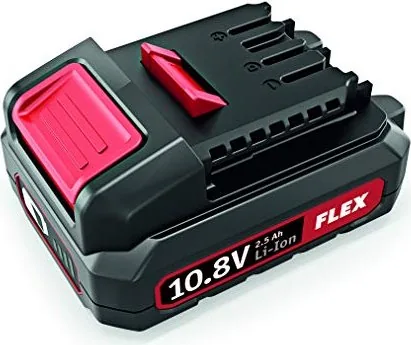
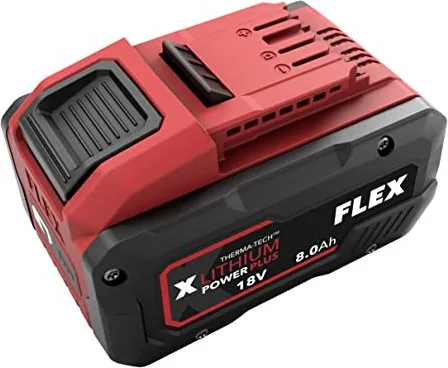
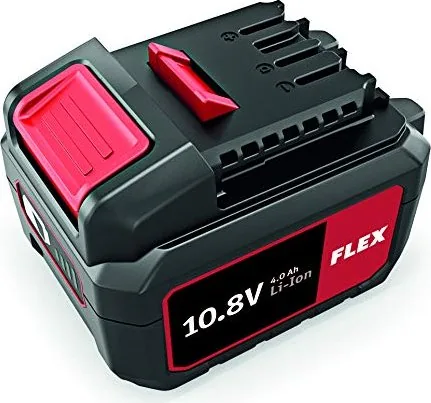
The Flex AP Tool Battery range covers lithium-ion battery packs identified as AP 10.8 and AP 18.0. Built for compatible FLEX cordless tools, these batteries are designed to provide dependable portable power while emphasizing safe handling, correct charging, responsible storage, and environmentally conscious disposal. Whether you use cordless equipment for trade work, maintenance, renovation, or home projects, proper battery care is essential for consistent performance and a longer service life.
Safe everyday battery use
Flex AP Tool Battery packs should only be used with original batteries that match the voltage stated on the connected power tool. Using imitation, rebuilt, damaged, or incompatible third-party packs can create risks of injury, overheating, fire, property damage, or explosion. The charger must also match the battery's charging voltage and be a manufacturer-recommended model.
Protect every battery from heat, continuous sunlight, fire, water, and humidity. Never open a battery housing, puncture it, or allow nails, screwdrivers, and other sharp objects to contact it. External impact can damage internal components and may lead to a short circuit, smoke, overheating, fire, or explosion. If a battery is damaged or used incorrectly, move to fresh air if fumes are present and seek medical advice if symptoms occur.
Charging and storage guidance
For best results, charge Flex AP batteries only between 0 C and 40 C. Avoid charging in high humidity or unusually hot surroundings, and do not cover the battery or charger during charging. It is normal for both components to become warm while charging. When charging is complete, disconnect the charger from the mains supply.
Lithium-ion technology does not have the traditional memory effect. Still, the recommended routine is to allow the battery to discharge before recharging and to let each charging cycle finish fully. A noticeably shorter operating time after charging can indicate normal battery wear and may mean replacement is needed. For extended periods without use, keep the battery partially charged in a cool location.
Transport and recycling
Single battery packs and supplied tool combinations may fall below certain dangerous-goods limits, but transporting multiple lithium-ion powered tools can require additional packaging and local compliance measures. Never ship or transport a battery with a damaged casing. Check the rules that apply in the destination country before moving several battery-powered products.
Notes
- Do not place batteries in household waste, water, or fire.
- Return spent or faulty packs through an approved collection or recycling route.
- Ask a specialist dealer about local disposal options and applicable recycling requirements.
Search for 67,732 Manuals online


Type-in Brand or Model