
Falmec Mira 40 Manual
PDF manual · 68 Pages
English



Quick check
Incorrect answer, please try again.
Chat with your Falmec Mira 40 manual using AI
Get instant AI answers from your Falmec Mira 40 manual
Ask anything about the Falmec Mira 40. Answers come from this manual, with the pages they are based on.
Mira 40 Maintenance Schedule
Clean the external surfaces of the hood at least once every 15 days to prevent oily substances and grease from sticking to them.
It is advised to frequently wash the metal filters (at least once a month) leaving them to soak in boiling water and cleaning solution for 1 hour.
The active carbon filters must be replaced on average every 3-4 months under normal conditions of use.
Wash metal filters every 30 operating hours. Soak in boiling water with dish detergent for 1 hour, rinse, and dry completely before reinstalling.
Free maintenance reminders
Timed to your purchase date. Always free, unsubscribe anytime.
Ask a Question
Do you recommend Mira 40?
Yes NoDo you recommend Mira 40?
Yes NoFrequently Asked Questions
Metal anti-grease filters should be washed monthly or at least every thirty hours of usage to maintain optimal airflow and prevent grease buildup inside the unit.
Is this answer helpful?
Active carbon filters require replacement every three to four months depending on frequency of use to ensure proper odor removal when recirculating air internally.
Is this answer helpful?
The manufacturer recommends specific cleaning products or Magic Steel wipes. Use soft cloths and neutral detergents, avoiding abrasive substances that could damage the finish or cause scratches.
Is this answer helpful?
No. The manual stresses that only qualified installers should perform the setup to prevent electrical hazards and ensure mechanical integrity for safety compliance.
Is this answer helpful?
The alarm light indicates when filter maintenance is needed after approximately thirty operational hours to alert the user to clean the metal filters.
Is this answer helpful?
No. Do not install the hood outdoors or expose it to atmospheric elements like rain or wind as this can damage the electronic components and structural integrity.
Is this answer helpful?
Advantages and Disadvantages
Advantages

- High efficiency LED lighting provides bright kitchen illumination
- Four speed settings cater to different cooking needs
- Electronic controls include a convenient fifteen minute timer
- Brushed stainless steel surface resists fingerprints and corrosion
- Metal anti-grease filters are washable for easy maintenance
Disadvantages

- Professional qualified installation is mandatory for safety
- Active carbon filters require replacement every three to four months
- External ducting requires specific pipe installation procedures
- Weight of the thirty four kilogram wall model needs sturdy support
- Non-professional repairs may void the manufacturer warranty
Product Specification
Type
Built-in hood, Island hood
Energy Efficiency Class
B
Color
Stainless steel
Width
15.75 inches
Ventilation Type
Exhaust, Recirculation
Airflow
347.26 CFM
Speed Levels
4
Display
No
Features
Edge extraction
Smart Home
No
Lighting
LED (4.8W)
Energy Consumption
58 kWh/year
Fan Efficiency Class
B (A to G)
Lighting Efficiency Class
A (A to G)
Grease Filter Efficiency Class
F (A to G)
Noise Level
55 dB
Package Contents
Grease Filter (Metal, dishwasher safe)
Product Description
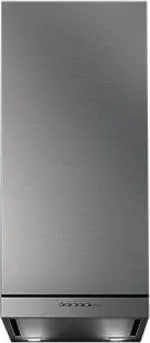
Discover the Elegance of the Falmec Mira 40 Island Extractor Hood Stainless Steel Manual Guide
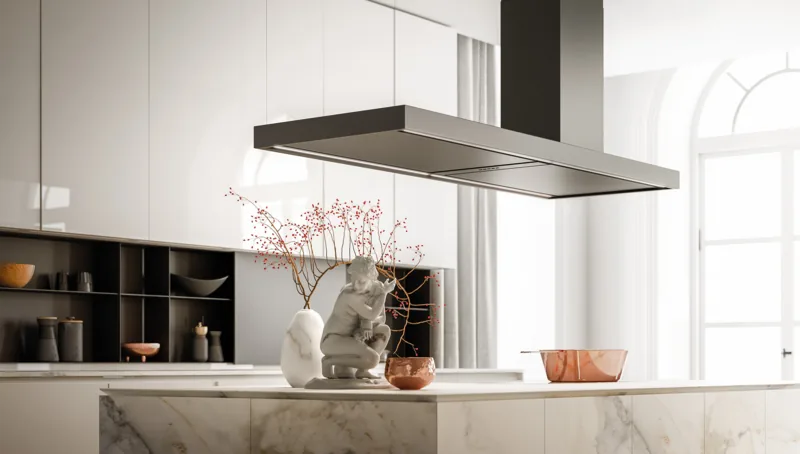
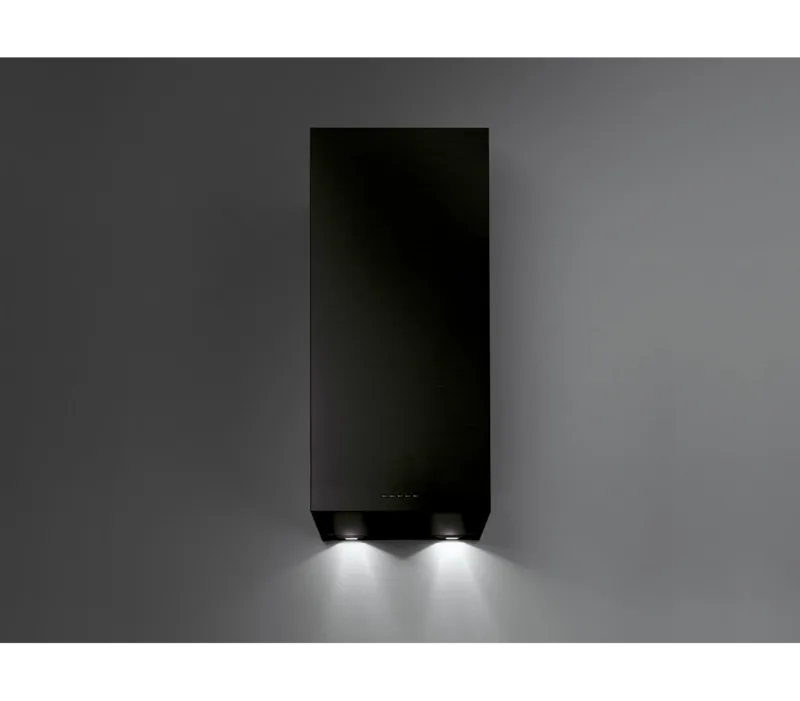
The Falmec Mira 40 Island Extractor Hood Stainless Steel offers a blend of modern design and powerful functionality for kitchens. Following the Falmec Mira 40 Island Extractor Hood Stainless Steel Manual ensures safe operation and longevity for your home appliance. This stainless steel unit features brushed surfaces that resist fingerprints and remain durable against kitchen humidity and grease exposure. The sleek design integrates well into interior styles while providing essential ventilation support.
Installation requires careful attention to detail and structural safety. The manual stresses that only qualified installers should perform the setup to prevent electrical hazards. Electrical connections must match network voltage and include proper grounding according to local safety regulations. External ducting options allow fumes to exit outside effectively, while internal recirculation models utilize active carbon filters for purification when external venting is not possible. The unit requires sturdy wall fixing systems to support the weight.
Operation is streamlined with an intuitive electronic pushbutton panel featuring LED indicators. Four distinct speeds allow you to manage smoke intensity effectively during cooking tasks. The fourth speed is reserved for rapid odor disposal but deactivates to speed three automatically after a few minutes to prevent noise. A built-in timer allows the hood to run for fifteen minutes after you finish cooking, ensuring all vapors and odors are cleared from the air. An alarm light indicates when filter maintenance is needed after approximately thirty operational hours.
Maintenance is straightforward for the user once the manual is read. Metal anti-grease filters should be washed monthly or after thirty hours of usage to maintain airflow. Active carbon filters require replacement every three to four months depending on use. The manufacturer recommends specific cleaning products for stainless steel surfaces to prevent corrosion. Use soft cloths and avoid abrasive substances that could damage the finish or cause scratches.
Safety is paramount. Never operate the hood without filters in place as grease will deposit inside the motors and cause failure. Always disconnect power before cleaning any part of the unit to prevent electrical shock. The manual highlights that aesthetic defects must be reported before installation to ensure satisfaction. Proper disposal of the unit at end-of-life is required to comply with environmental regulations regarding electrical waste.
This appliance is not designed for professional use but strictly for domestic cooking fume extraction within non-commercial kitchens. It includes high-efficiency LED lighting for visibility while you work at the stove. By adhering to the guidelines in the documentation, users ensure performance and safety standards are met throughout the life of the appliance. Always consult the manufacturer regarding specific local codes if installing in regions like Australia due to combustion appliance interactions. The manual ensures you understand every function to keep your kitchen safe and clean.
Note: Always verify local electrical codes before installation to ensure compliance with safety regulations for the region.
Search for 67,732 Manuals online


Type-in Brand or Model