

Free Exo Terra Manuals – Read, Download & Print
2 Manuals
Manuals
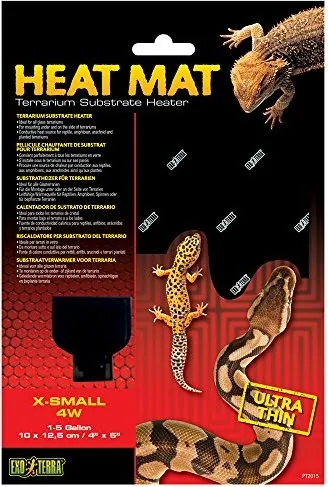
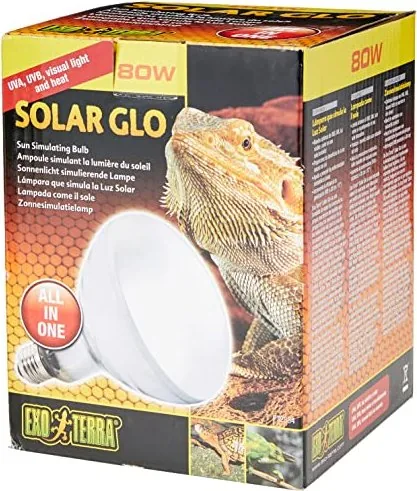
Categories

Exo Terra Manuals: The Essential Guide to Setup, Care, and Troubleshooting
What Are Exo Terra Manuals?
Exo Terra Manuals are the instruction resources provided for a wide range of Exo Terra products, including terrariums, enclosures, heating and lighting systems, and accessories designed for reptile, amphibian, and other vivarium-based habitats. These manuals help owners understand not only how to assemble and operate equipment, but also how to create stable, safe conditions that support animal health over the long term.
A high-quality manual does more than list parts and steps. It explains why specific settings matter, what environmental targets to aim for, how to monitor progress, and how to respond when something is not working as expected. With Exo Terra Manuals, keepers can move from an initial setup to daily routine with confidence, supported by clear guidance tailored to the equipment they purchased.
Why You Should Use the Manuals Before You Begin
Even if you have experience building vivariums, reading the relevant Exo Terra manual is still one of the best ways to prevent mistakes. Vivarium systems are interconnected: heat affects humidity, light influences behavior, and ventilation impacts airflow and temperature gradients. When a product is installed incorrectly, the habitat can drift out of safe ranges before the problem becomes obvious.
Using the manuals early gives you:
- Correct assembly and placement instructions
- Recommended settings for power levels, distances, and mounting positions
- Safety requirements for wiring, heat surfaces, and moisture exposure
- Guidance for commissioning the enclosure before animals are introduced
- Troubleshooting steps for common performance issues
How Exo Terra Manuals Are Structured
Most Exo Terra Manuals follow a practical structure that supports both first-time and experienced keepers. You can typically expect sections such as:
Product Overview and Key Features
This section describes what the product does, which animals it is intended to support, and what makes it different from alternatives. It often includes important details like compatible enclosure types, intended use cases, and core operating principles.
Installation and Assembly Steps
Detailed instructions usually include mounting steps, component alignment, and guidance for integrating accessories into the terrarium. For example, lighting and heating devices may require specific distances from basking surfaces, while ventilation-related features must be configured to maintain airflow without over-drying the habitat.
Operation, Settings, and Monitoring
Manuals commonly include recommended operating ranges and explain how to verify performance. Because vivarium conditions can change by season, manuals often emphasize the need to measure and adjust rather than relying only on preset values.
Maintenance and Care
Long-term reliability depends on correct maintenance. Manuals commonly describe cleaning practices, replacement intervals for consumable components, and procedures to keep sensors or electrical parts functioning correctly.
Safety and Electrical Considerations
Since vivariums combine heat, electricity, and moisture, safety guidance is critical. Manuals usually explain safe placement, recommended weather ratings, and usage of thermostats or timers where appropriate.
Troubleshooting
Finally, manuals often include a troubleshooting section. This is where owners can diagnose issues such as inconsistent temperatures, lighting that does not reach the intended brightness, condensation patterns that appear abnormal, or equipment that behaves unexpectedly after installation.
Choosing the Right Manual for Your Setup
One challenge vivarium owners face is selecting the correct document for the exact product version they own. Exo Terra has a broad catalog, and models can differ by size, year, or configuration.
Match the Manual to the Exact Model
When searching for Exo Terra Manuals, confirm the product model number and the features it includes. If your enclosure uses a specific ventilation system, drainage approach, or integrated components, the manual that matches those features will provide the most accurate guidance.
Keep Notes About Your Equipment
As you build your habitat, record:
- Product names and model numbers
- Where each accessory is installed
- Thermostat, timer, and controller settings
- Sensor placement and measured readings
Those notes become invaluable when you later consult the troubleshooting section of Exo Terra Manuals.
Setup Guidance: Creating a Stable Vivarium Environment
A terrarium is not just a decorative object. It is a controlled environment that must meet the biological needs of the animal. Exo Terra Manuals typically emphasize creating a stable baseline first, then refining conditions.
Temperature Gradients and Heat Distribution
Most reptiles require a gradient rather than a single uniform temperature. That means the enclosure should include a warm zone and a cooler zone so the animal can regulate its body temperature. Manuals usually explain how to position heat sources and how to verify warm-spot temperatures without overheating surrounding areas.
You will often see guidance about:
- Placement of heat lamps or infrared sources
- Using thermostats to control output safely
- Avoiding direct contact between hot surfaces and animals
- Checking temperatures at appropriate heights
Humidity and Ventilation Balance
Humidity targets depend on species, substrate, and ventilation style. Exo Terra Manuals often explain how enclosure airflow affects moisture retention. Too much ventilation can dry the habitat, while too little can cause persistent condensation and poor air quality.
Manuals may suggest monitoring indicators such as:
- Condensation patterns on glass
- Substrate dampness levels
- Airflow performance near vents
- Consistency of day and night humidity
Lighting for Behavior and Health
Lighting supports more than visual appeal. In many reptile habitats, appropriate UVB exposure and a consistent photoperiod are important for calcium metabolism and normal behavior. Exo Terra Manuals generally provide recommendations for:
- Fixture placement
- Safe distances from basking surfaces
- Timer usage for day-night cycles
- Replacement intervals for bulbs
Substrate, Furnishings, and Surface Conditions
Even the best heating and lighting cannot compensate for unsuitable substrate choice or poor furnishing arrangement. Manuals often encourage species-appropriate substrate depth, water management, and placement of hides and climbing surfaces. This helps reduce stress and supports normal thermoregulation.
Commissioning: Testing Your Habitat Before Adding Animals
A major value of Exo Terra Manuals is that they guide you through commissioning, meaning you test and stabilize the environment before the first animal enters.
Run Heat and Lighting on a Schedule
Manuals often advise running lighting and heating for set periods to observe how temperatures settle. You may need to adjust mounting positions, thermostat settings, or bulb selection depending on room temperature and seasonal changes.
Verify with Measurements, Not Guesswork
Instead of relying on the heat lamp setting alone, manuals encourage measuring temperatures using appropriate thermometers and probes. Many guides also recommend tracking humidity with a hygrometer, and in some cases monitoring additional parameters such as surface temperatures.
Check Electrical Integration and Safety
Before any animal is introduced, confirm that:
- Cables are routed safely and kept away from direct moisture
- Timers and thermostats function correctly
- Enclosed electrical components are installed according to the manual
- Heat sources do not create hotspots that exceed safe limits
Maintenance: Keeping Performance Consistent Over Time
Vivarium equipment changes behavior as it ages and as dust and mineral buildup accumulate. Exo Terra Manuals typically provide routines for cleaning and inspection.
Regular Cleaning and Surface Care
Depending on your setup, you may need to:
- Remove debris from ventilation areas
- Clean glass and fixtures to restore heat and light transfer
- Rinse water reservoirs and humidification components
Manuals often specify what materials to use and what to avoid, especially around plastics, coatings, and sensitive electronic parts.
Bulb and Component Replacement
Lighting components can lose output over time even before they completely fail. Exo Terra Manuals commonly include replacement guidance so UVB and visible light remain effective. Similarly, heating components may require periodic evaluation to confirm they are still producing stable temperatures.
Monitoring After Maintenance
Any time you adjust fixtures or clean electrical assemblies, you should retest conditions. Manuals encourage verification of temperatures, humidity, and light placement after changes.
Troubleshooting with Exo Terra Manuals
When conditions drift, the manual can help you identify root causes efficiently rather than guessing.
Temperature Issues
Common problems include:
- Warm spot not reaching target range
- Temperatures that climb too high
- Large fluctuations during the day
Manuals may guide troubleshooting by checking:
- Thermostat settings and sensor placement
- Correct fixture mounting height
- Whether the probe reads the right surface
- Potential airflow effects that alter heat distribution
Humidity Problems
If humidity remains too low or too high, Exo Terra Manuals generally suggest examining ventilation, substrate moisture, and sealing conditions. You may also need to verify whether humidifiers or water systems are functioning as intended.
Condensation and Fogging
Condensation can indicate imbalance between temperature and humidity, or a ventilation configuration that is not allowing moisture to clear properly. Manuals often propose steps like adjusting airflow, managing substrate moisture, and improving consistency of day-night conditions.
Lighting Not Performing as Expected
If lighting appears too dim, does not create the intended basking conditions, or seems inconsistent, manuals may recommend checking:
- Fixture installation and angle
- Correct bulb type and compatibility
- Timer settings
- Replacement intervals for bulbs and reflectors
Equipment Not Powering or Behaving Incorrectly
For electrical issues, manuals usually emphasize safety first. Troubleshooting may involve inspecting connections, verifying correct voltage compatibility, and confirming that controllers or timers are set correctly. Because electrical and moisture environments are sensitive, manuals typically warn against bypassing safety systems.
Safety and Best Practices
Exo Terra Manuals often stress safe operation in vivarium environments. For successful and responsible husbandry, safety principles should be treated as non-negotiable.
Heat Safety
Heat sources should be protected, positioned so animals cannot burn themselves, and controlled via appropriate thermostatic devices where recommended. Manuals usually advise against improvising with wiring or modifying fixtures.
Electrical Safety Around Moisture
Moisture exposure is unavoidable in many habitats. Manuals generally guide you to keep electrical connections dry, use components rated for appropriate environments, and ensure drip loops or cable routing that reduces risk.
Use of Timers and Controllers
Many setups benefit from timers for photoperiod control and thermostats for heat management. Exo Terra Manuals commonly recommend these devices to create stable cycles and prevent overheating.
Species-Specific Considerations
While Exo Terra Manuals focus on the equipment, the ultimate goal is an animal-specific environment. Many keepers use the manuals as a technical foundation and then apply species husbandry targets from additional care resources.
Reptiles
Reptile habitats often require careful calibration of basking temperatures, UVB exposure, and substrate humidity. Manuals help ensure the equipment can deliver those parameters reliably.
Amphibians and Moisture-Dependent Species
For moisture-heavy setups, correct ventilation and safe integration of humidification equipment becomes especially important. Manuals guide installation to reduce excessive condensation and to maintain air exchange.
Invertebrates and Other Vivarium Animals
Even small habitats can benefit from the precision and safety principles found in Exo Terra Manuals, particularly when heat and lighting are integrated.
Getting the Most Value from Exo Terra Manuals
To benefit fully from these documents, consider the following approach:
Build a Setup Checklist
Use the manual to create a checklist that tracks:
- Assembly steps completed
- Equipment installation locations
- Initial test readings
- Controller settings
- First-week adjustments and observations
Keep a Maintenance Schedule
Many problems emerge gradually. A simple schedule for inspections and cleaning based on the manual reduces sudden failures.
Revisit the Troubleshooting Section Early
If something seems off in the first days, consult the manual immediately. Early intervention often prevents larger issues later, such as repeated temperature swings, chronic humidity imbalance, or stress-related health complications.
Conclusion: Why Exo Terra Manuals Matter for Long-Term Success
Exo Terra Manuals are more than technical documents. They are practical tools that help transform equipment into a stable living environment. By following step-by-step installation guidance, verifying temperatures and humidity with measurements, commissioning the habitat before introduction, and using the troubleshooting sections when issues arise, keepers can create more consistent conditions and reduce risk.
Whether you are setting up your first terrarium or upgrading an existing enclosure, Exo Terra Manuals provide the structure and safety guidance that makes responsible vivarium care easier to achieve. With correct installation, consistent monitoring, and proper maintenance aligned to the manual, your habitat becomes not just functional, but dependable for the animals you care for.
Search for 67,706 Manuals online


Type-in Brand or Model