
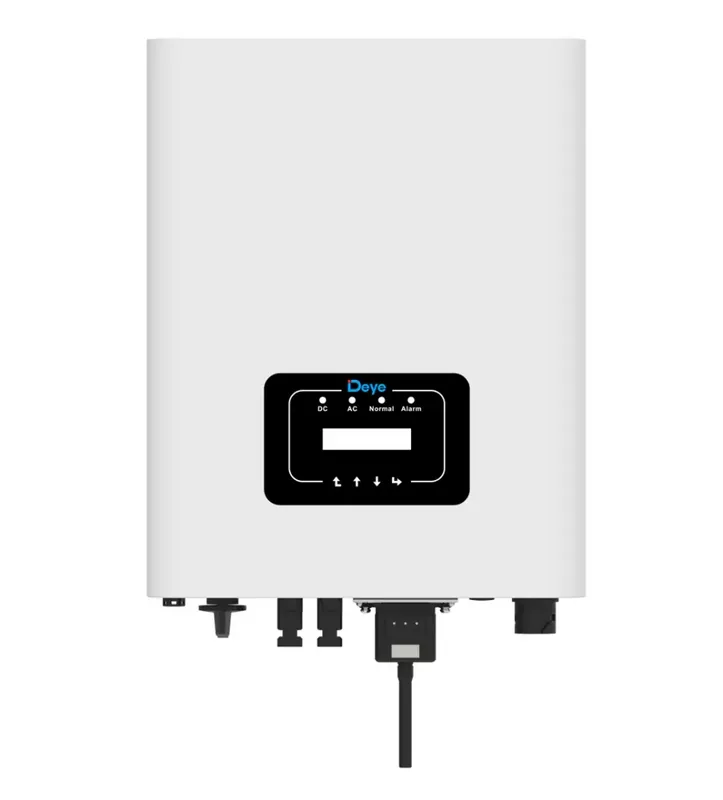
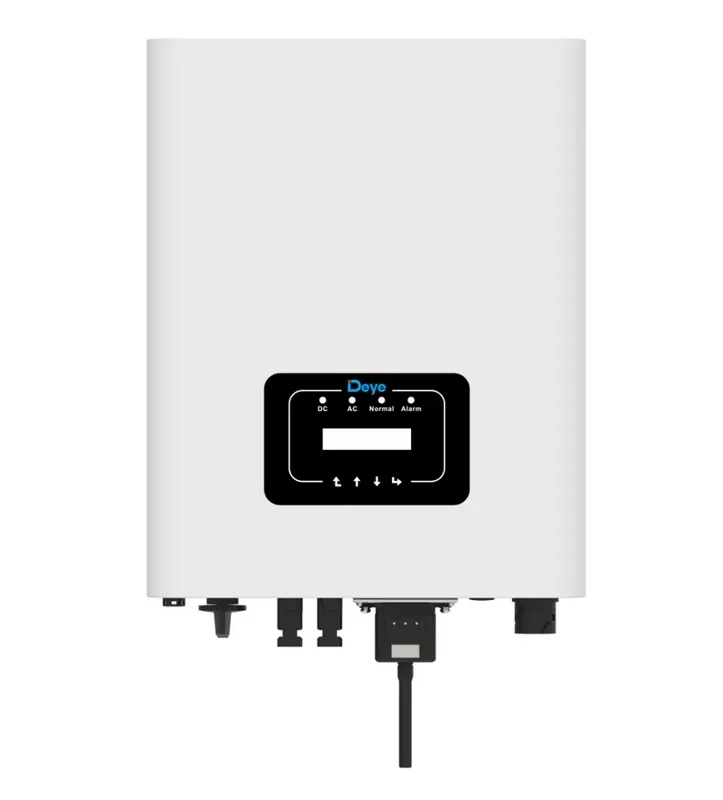
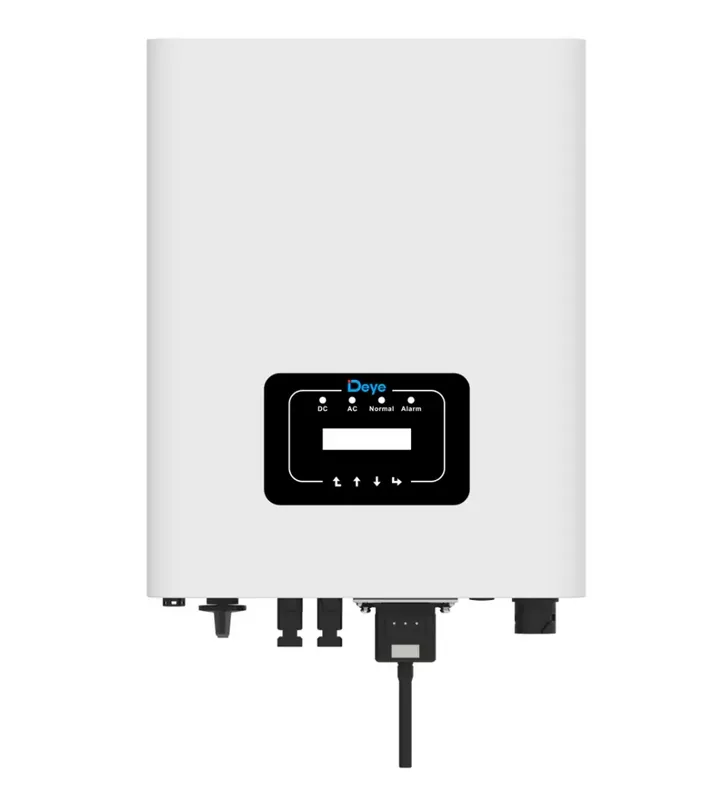
Deye SUN-G05 Series Manual
PDF manual · 69 Pages
English



Quick check
Incorrect answer, please try again.
Chat with your Deye SUN-G05 Series manual using AI
Get instant AI answers from your Deye SUN-G05 Series manual
Ask anything about the Deye SUN-G05 Series. Answers come from this manual, with the pages they are based on.
Ask a Question
Do you recommend SUN-G05 Series?
Yes NoFrequently Asked Questions
The product range includes models from 4 kilowatts up to 15 kilowatts. This variety allows installation on different roof sizes and energy consumption requirements for homes and businesses.
Is this answer helpful?
You need to connect a compatible smart meter via the RS485 port. Once the meter is linked through the menu settings you can activate the zero export feature to control power flow.
Is this answer helpful?
Important warnings include high shock hazards at DC and AC terminals. Avoid touching exposed parts during operation and ensure proper grounding to eliminate risk of electric shock.
Is this answer helpful?
Yes the system supports parallel connection configurations. This allows you to scale your power generation system as your energy needs increase over time.
Is this answer helpful?
Press the ESC or Enter buttons to navigate the menu to the alarm record section. The LCD screen will show specific fault codes indicating what requires attention or reset.
Is this answer helpful?
The inverters are designed to operate from minus twenty five to sixty degrees Celsius making them suitable for various climates and weather conditions.
Is this answer helpful?
Yes connectivity options include Wi-Fi and GPRS modules allowing users to track performance remotely via smartphone applications or web dashboards.
Is this answer helpful?
Advantages and Disadvantages
Advantages

- High efficiency conversion with up to 98.6% peak efficiency ratings for maximum energy yield.
- Wide power range from 4 to 15 kilowatts suits various residential and small commercial needs.
- Zero export function allows precise control over grid import and export to reduce costs.
- Multiple connectivity options including Wi-Fi and RS485 enable comprehensive remote monitoring.
- Robust design with IP65 rating ensures durability against environmental weather conditions.
Disadvantages

- Requires specific smart meter installation for zero export functionality to work correctly.
- Complex parameter setup may require professional assistance for configuration.
- Installation demands strict adherence to ventilation and clearance guidelines.
- Error codes can be technical and may need manual intervention to reset.
- Safety protocols mandate grounding and shutdown procedures to avoid shock hazards.
Product Specification
Note
Prices include partial 0% VAT rates for AT and DE
Type
Solar Inverter, without transformer, passive
MPP Tracker Count
2
Output Phases
3-phase
Efficiency
98.3% max., 97.5% EU efficiency
Input
MC4
Output
Terminals
Interfaces
Wi-Fi (WLAN), RJ-45, RS-232, RS-485
Noise Level
<30dB
Ingress Protection
IP65
Ambient Temperature
-13F to +149F
Dimensions
12.99x17.99x7.99in (WxHxD)
Product Description
Overview of the Deye Solar Inverter Range
Solar energy systems rely heavily on efficient inverters to convert photovoltaic power into usable grid electricity. The Deye series stands out as a robust solution for residential and commercial installations requiring high reliability. This product line includes models from 4 kilowatts up to 15 kilowatts catering to different energy demands and roof sizes. Proper setup ensures maximum power generation while maintaining safety standards for all electrical components within the building.
These units feature advanced connectivity options such as Wi-Fi and GPRS modules. Users can monitor performance remotely via smartphone applications or web platforms. A clear LCD display on the front panel provides immediate status updates regarding voltage current and system faults. This visibility simplifies troubleshooting and allows for quick response to any operational anomalies during peak production hours.
A key capability of modern inverters is the zero export function designed to prevent excess power from flowing back into the utility grid. Enabling this feature requires connecting a compatible smart meter via the RS485 communication port available on the interface. This functionality is essential for users aiming to maximize self-consumption without incurring grid fees or penalties from local utility companies.
Installation guidelines emphasize the importance of proper ventilation to maintain efficiency during high ambient temperatures. Safety protocols are highlighted throughout the documentation with warnings regarding electrical shock hazards and high surface temperatures. Proper grounding of both alternating current and direct current terminals must be maintained strictly to prevent accidents. Surge protection devices should be installed to safeguard against lightning strikes and voltage spikes that can damage the electronics.
Technical specifications detail rated output voltages which generally range from three hundred eighty to four hundred volts depending on the regional grid standards. Operating temperature ranges are engineered to withstand harsh climates from minus twenty five to sixty degrees Celsius making them suitable for diverse environments. Protection mechanisms include an anti-PID function option to preserve solar panel health over extended periods.
Fault records are stored on the device history for future reference aiding maintenance technicians in diagnosing issues quickly reducing downtime. Whether upgrading an existing system or planning a new installation these units provide consistent performance backed by detailed operational protocols. Understanding the setup process and configuration menus ensures optimal operation. Always consult certified professionals for complex wiring tasks.
Safety and Maintenance Notes
Regular maintenance includes checking for dust accumulation and verifying connection tightness to ensure longevity. Keep firmware up to date for best results as updates often provide additional features or improvements. Follow all local electrical codes strictly to remain compliant with regulations. Enjoy clean power generation with confidence using these advanced inverters designed for long term uptime.
Final Technical Summary
The system supports parallel connection configurations enabling scalability as energy needs grow over time. Input voltage for the direct current section must be matched to your solar array configuration for efficiency. This equipment represents a significant investment in sustainable energy infrastructure for anyone reducing their carbon footprint through solar adoption.
Search for 67,706 Manuals online


Type-in Brand or Model