
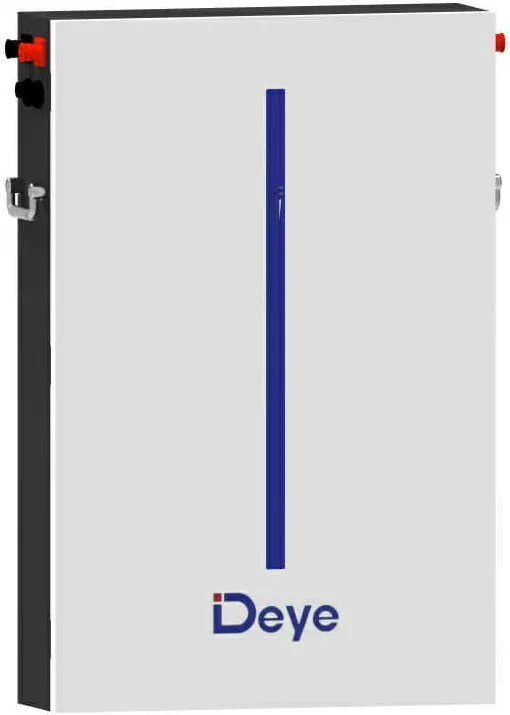
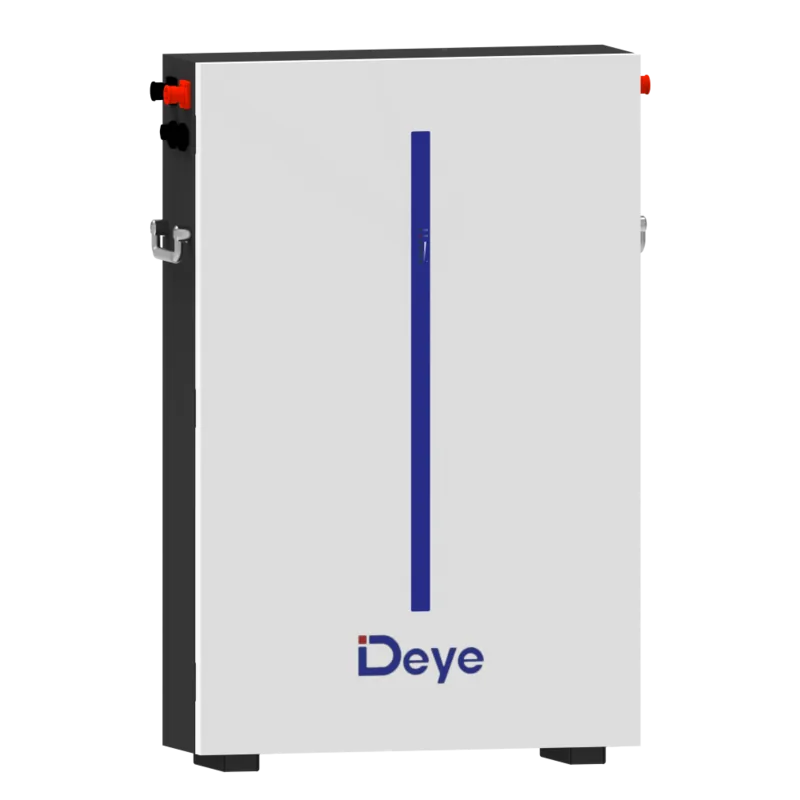
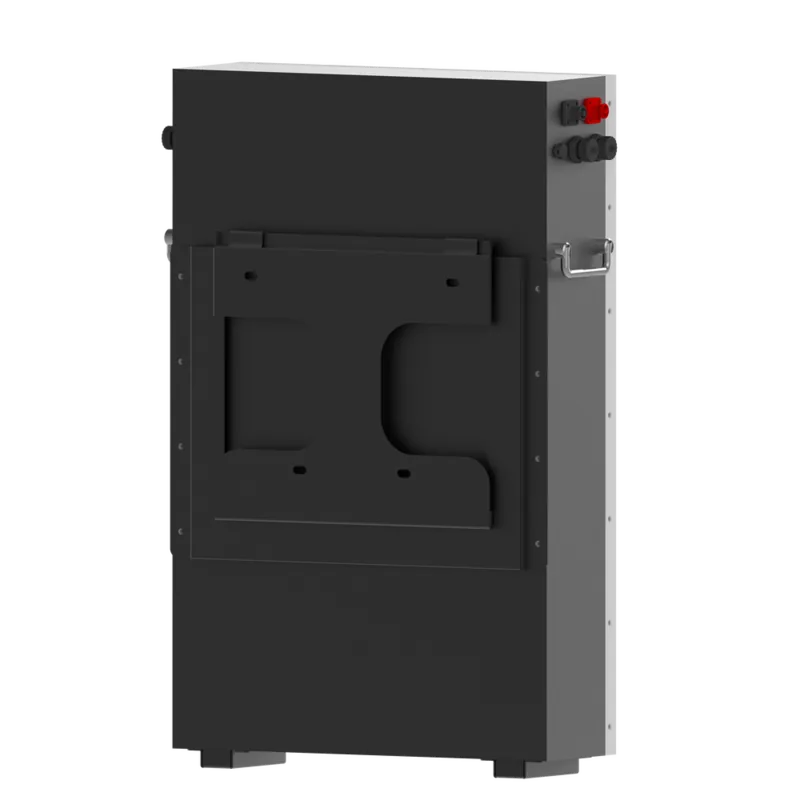
Deye RW-M6.1 Manual
PDF manual · 23 Pages
English



Quick check
Incorrect answer, please try again.
Chat with your Deye RW-M6.1 manual using AI
Get instant AI answers from your Deye RW-M6.1 manual
Ask anything about the Deye RW-M6.1. Answers come from this manual, with the pages they are based on.
RW-M6.1 Maintenance Schedule
If stored over 6 months, check voltage monthly until it drops below 51.2V, then recharge according to the specified strategy.
If the battery is stored for a long time, charge it every six months. Ensure the State of Charge (SOC) remains no less than 50%.
Charge the battery to approximately >80% of its capacity at least once every year to preserve the battery's capacity.
Regularly check the battery's state of charge due to self-discharge. Inspect for loose/damaged wiring, contacts, cracks, or leakage.
If necessary, clean the Li-Ion battery with a soft, dry cloth. Never use liquids, solvents, or abrasives.
Free maintenance reminders
Timed to your purchase date. Always free, unsubscribe anytime.
Ask a Question
Do you recommend RW-M6.1?
Yes NoFrequently Asked Questions
You must recharge the unit within 48 hours after fully discharging it. Failure to do so may cause the battery to fall below acceptable voltage levels permanently damaging internal cells and rendering the unit inoperable or unsafe for further use.
Is this answer helpful?
Yes, you can connect multiple units in parallel to increase total capacity and power output. The system supports scalability up to 32 pieces in parallel configurations allowing for larger installations exceeding 196kWh total energy availability.
Is this answer helpful?
It has an IP65 rating making it resistant to rain and dust. However you should avoid placing it directly in rain snow or prolonged sunlight exposure to prevent overheating and ensure the cooling vents remain clear of obstructions.
Is this answer helpful?
Look at the front panel LEDs. A green light means normal operation. Red indicates alarm status. Five green LEDs display State of Charge where each bar represents twenty percent capacity showing exactly how much energy remains stored.
Is this answer helpful?
You need insulated tools to prevent electric shock or short circuits. Ensure all bolts are tightened and cables are secured properly. Do not touch exposed metal surfaces unless necessary and always wear appropriate protective gear during the process.
Is this answer helpful?
If stored for long periods you should charge them every six months. Keep State Of Charge no less than fifty percent to maintain chemical health and prevent deep discharge damage over time during idle conditions.
Is this answer helpful?
No the unit contains sealed components and is non-serviceable. Any attempt to open repair or disassemble it voids warranties and poses significant electrical safety risks. Contact authorized staff for any repairs or replacements needed.
Is this answer helpful?
Advantages and Disadvantages
Advantages

- Integrated BMS manages cell voltage temperature and current to ensure optimal balancing and safety during operation.
- Supports wall mounted or floor mounted installation configurations for flexible placement in various spaces.
- Lithium Iron Phosphate chemistry offers long cycle life and enhanced safety compared to alternative battery types.
- IP65 rated enclosure protects internal components from dust and water ingress suitable for outdoor shelters.
- Allows parallel expansion up to 32 units scaling capacity to meet large energy demands effectively.
Disadvantages

- High weight of nearly 60 kilograms makes transport and manual handling difficult without mechanical aid.
- Requires strict adherence to temperature ranges avoiding extremes outside negative 20 to positive 55 degrees Celsius.
- Must be charged within 48 hours after full discharge to prevent degradation or permanent capacity loss.
- Direct connection to PV solar wiring is prohibited requiring proper inverter integration to function safely.
- Cannot be disassembled or repaired by users risking voided warranty and potential safety hazards.
Product Specification
Note
Prices include partial 0% VAT rates for Austria and Germany
Battery Type
LiFePO4
Battery Modules
1 Module (max. 1)
Rated Capacity
120Ah, 5530Wh
Rated Voltage
51.2V
Discharge Current
60A
Operating Temperature
32 deg F to 95 deg F
Service Life
10 years, 6000 charge cycles (up to 90% remaining capacity)
Display
No
Features
State of charge indicator, Cascading (max. 32)
Interfaces
RS-485
Mounting Type
Wall Mount
Protection Class
IP65
Dimensions
18.70 x 28.35 x 5.71 inches (W x H x D)
Weight
0.13 lbs
Product Description
Deye RW-M6.1 Energy Storage Guide
Modern homes require stable power reserves for continuous operation during grid failures. The Deye RW-M6.1 system addresses this need through advanced lithium iron phosphate technology designed for high reliability and longevity. This specific energy unit supports various household appliances and solar hybrid setups ensuring consistent voltage supply regardless of weather conditions or utility disruptions.
Technical Specifications Overview
At the core lies a 120Ah capacity module capable of delivering over five point five kilowatt hours of usable energy. Operating voltage ranges between forty three point two and fifty seven point six volts accommodating different system requirements. The physical dimensions measure approximately four seventy five millimeters wide plus height adjustments depending on mounting brackets installed correctly during setup phases. Weight stands near sixty kilograms requiring proper lifting techniques when positioning units vertically or horizontally against wall structures securely fastened to ensure stability under vibration conditions.
Built-in Management Integration
Built-in monitoring software tracks voltage current levels and thermal status across individual cells maintaining balance throughout charging and discharging cycles. This intelligent protection mechanism prevents damage from excessive current flow or temperature spikes automatically isolating faults before they escalate into safety hazards. Users benefit from remote diagnostics allowing firmware upgrades through communication ports without physical intervention requiring specialized tools for maintenance tasks involving direct contact with electrical terminals.
Installation Requirements
Secure mounting ensures safety during long term operation preventing accidental falls or exposure to environmental elements. Waterproof ratings protect internal electronics from moisture intrusion although direct sunlight exposure remains discouraged to prevent overheating issues affecting component lifespan significantly over extended periods. Proper grounding resistance below one ohm minimizes electrical shock risks ensuring operator safety while connecting inverter interfaces via standardized protocols supporting seamless data exchange between power sources and storage devices utilized within the network.
Maintenance and Care Guidelines
Regular inspections confirm terminal integrity and cable connections remain tight preventing loose contact heating problems. Cleaning procedures involve dry soft cloths avoiding solvents that degrade plastic casings or seals compromising waterproofing effectiveness over time. Storage guidelines recommend charging every six months to keep state of charge above fifty percent preserving chemical activity within electrodes enhancing overall service duration achievable with consistent care practices applied diligently throughout ownership tenure.
Scalability Options
Multiple modules link together expanding total capacity substantially meeting higher demand scenarios typical in larger commercial facilities requiring robust backup solutions. Systems scale easily up to thirty two units paralleled together achieving nearly two hundred kilowatt hours of aggregate energy availability maximizing investment returns by utilizing redundant power pathways efficiently managed by central control logic embedded within the master device coordinating actions across all slave units connected physically electrically communicating signals continuously for synchronized performance optimization across distributed assets deployed globally.
Search for 67,706 Manuals online


Type-in Brand or Model