
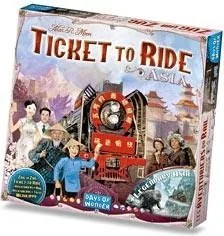
Days of Wonder Ticket to Ride Manual
PDF manual · 24 Pages
English


Quick check
Incorrect answer, please try again.
Chat with your Days of Wonder Ticket to Ride manual using AI
Get instant AI answers from your Days of Wonder Ticket to Ride manual
Ask anything about the Days of Wonder Ticket to Ride. Answers come from this manual, with the pages they are based on.
Ask a Question
Do you recommend Ticket to Ride?
Yes NoFrequently Asked Questions
Each player starts with a set of tokens worth 30 total. They are used to pay costs for building routes. Unused tokens are kept in a bank. Players can exchange tokens for change from the bank or other players. The total value is kept secret until the end of the game.
Is this answer helpful?
If you cannot pay the toll cost for a route, you must take a Loan card. Place it face up in front of you. You cannot reimburse this loan later. You lose 5 points for each Loan card taken at game end. You are also disqualified from receiving Bridge Toll Token bonuses.
Is this answer helpful?
Yes. For two player games with toll tokens, use the Neutral Player variant. A neutral player acts during a phase each turn controlled by the live players. This makes the game cutthroat. It ensures there is always competition on the map for routes.
Is this answer helpful?
Yes. This game is an expansion. You need 40 trains per player and 110 Train Car Cards. You can take these from the base game, Ticket to Ride Europe, or USA 1910 expansion. You also need the matching scoring markers.
Is this answer helpful?
Yes. All Double Routes are in play regardless of player count. When the first side is claimed, the cost goes to the bank. The second side costs the first route owner. Both routes can be claimed even in smaller player counts.
Is this answer helpful?
Advantages and Disadvantages
Advantages

- Double routes increase tension and strategic depth during gameplay.
- Hidden toll token values add bluffing and information management elements.
- Neutral player variant balances two player matches effectively.
- Unique scoring system rewards resource management carefully.
- Compatible with existing base game components for flexibility.
Disadvantages

- Loans impose severe penalties and disqualify players from bonuses.
- Requires train cards from previous expansions to play fully.
- Complex toll rules may slow down the game initially.
- Scoring track offsets can be confusing for new players.
- Destinations require high point values to remain competitive.
Product Specification
Genre
Strategy
Product Description
Ticket to Ride Manual Experience Guide
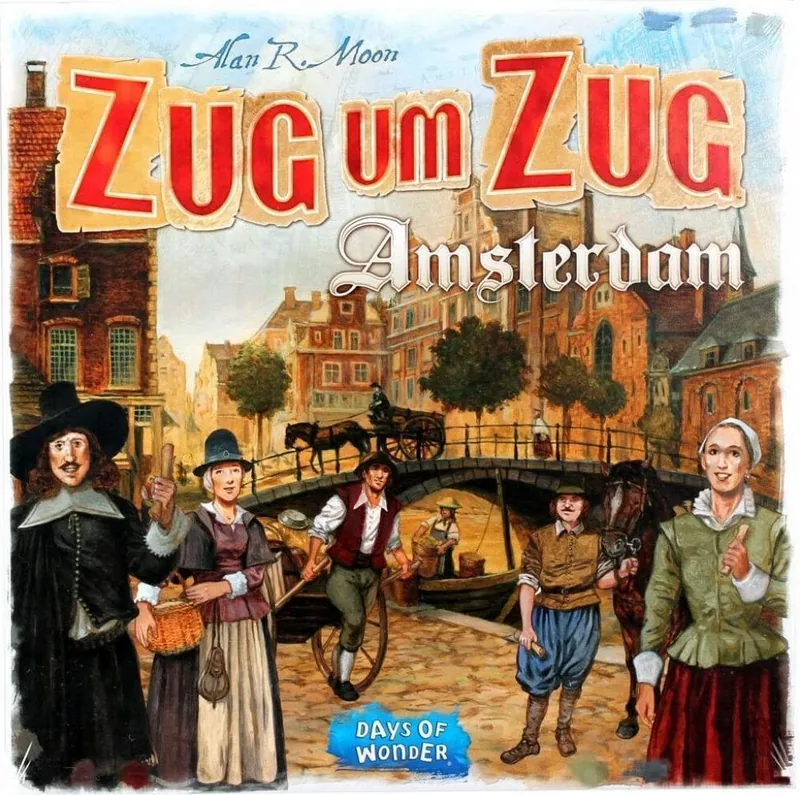
Welcome to the Netherlands map expansion for the classic board game. This manual introduces unique mechanics that change how you play. Procrastination will cost you money in significant ways here. You will want to build your routes as early as possible to avoid penalties. Keep an eye on your Destination Tickets since they are the main scoring method. There are six tickets worth 29 to 34 points each. Another seventeen tickets have values from 17 to 26 points. You often need 100 points in Tickets to stay in the running. This map is an expansion where you need parts from previous versions.
Bridge Toll Tokens Explained
The Netherlands region is full of rivers and canals covered with bridges. You must pay tolls to pass over them. Each player starts with a specific set of Bridge Toll Tokens. Total value is 30 tokens per player. Unused tokens go to a bank next to the board. Players can exchange these for change from the bank. They keep the value secret until the game ends. This adds hidden information strategies to the mix. It forces players to manage their cash flow carefully. If you run out, you must rely on other players. This creates a dynamic economy during play.
Double-Routes and Toll Costs
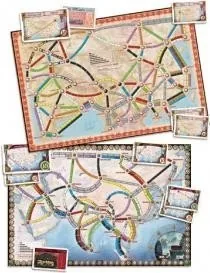
Most routes on this map are Double-Routes. All of them are in play regardless of the number of players. All routes have a cost paid with Bridge Toll Tokens. When the first route is claimed, the value goes to the bank. The second route pays the player who claimed the first route. If a player does not have enough tokens, they take a Loan card. This card goes face up in front of them for the rest of the game. They pay no tokens even if they had partial funds. You cannot reimburse this Loan ever. The first route owner gets value from the bank directly. This prevents the player from losing tokens while blocking progress.
Variants and Scoring Rules
At game end, players score bonus points based on tokens left. A Loan disqualifies you from receiving these bonuses immediately. You lose 5 points for each Loan card taken. There are no bonuses for the Longest Route. The map can be played without toll tokens if preferred. Two player games suggest adding a Neutral Player variant. This player plays during a Neutral phase every turn. It is guided alternately by the two live players. It makes your game very cutthroat and intense. You need 40 trains per player instead of 45. You must use 110 Train Car Cards from older games. Enjoy the unique challenges of the Dutch landscape today.
To balance the first player advantage, score markers are staggered as indicated on the scoring track. This ensures fairness at game start. The scoring track adjustments help compensate for the starting advantage. Players should plan their moves around these initial positions. The game is competitive and strategic from turn one.
Search for 67,706 Manuals online


Type-in Brand or Model