
colorFabb steelFill Manual
PDF manual · 5 Pages
English



Quick check
Incorrect answer, please try again.
Chat with your colorFabb steelFill manual using AI
Get instant AI answers from your colorFabb steelFill manual
Ask anything about the colorFabb steelFill. Answers come from this manual, with the pages they are based on.
Ask a Question
Do you recommend steelFill?
Yes NoFrequently Asked Questions
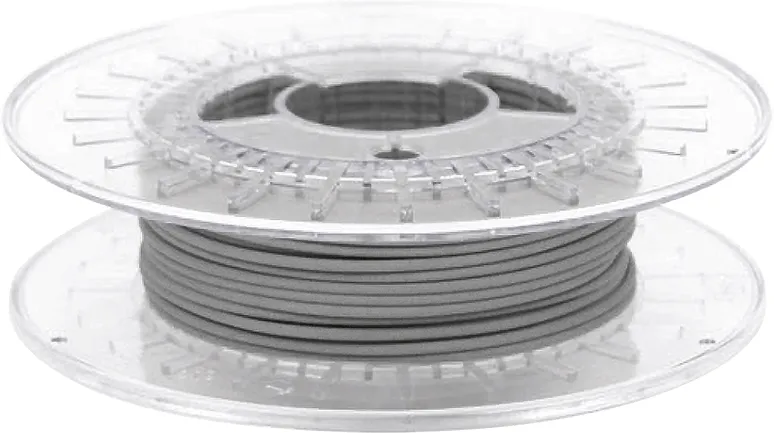
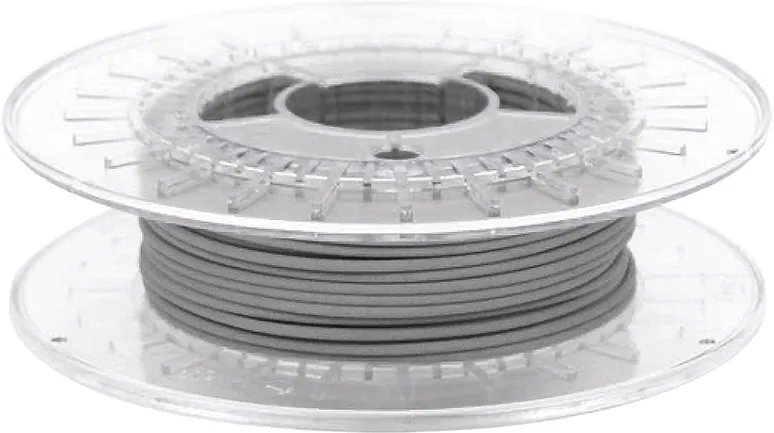
colorFabb steelFill is a PLA-based 3D printing filament heavily filled (approx. 80% by weight) with stainless steel powder to produce prints with a metallic look and substantial weight while remaining printable on FDM printers.
Is this answer helpful?
Use typical PLA-like extrusion temperatures around 150–220°C. Keep printing temperatures preferably below 220°C to avoid polymer degradation; thermal decomposition occurs above 240°C and can generate irritating fumes.
Is this answer helpful?
A standard FDM printer will print steelFill, but because the filament is abrasive, a hardened steel or coated nozzle is recommended to reduce wear. Adjust speeds and retraction for optimal results.
Is this answer helpful?
Sanding or polishing can produce dust—work in a well-ventilated area, wear safety glasses and a particle filter mask (P1/FFP1), and avoid inhalation. Use suitable containment and clean up residues per local regulations.
Is this answer helpful?
Under normal printing conditions it is not classified as hazardous. Avoid overheating, follow ventilation guidance, prevent dust exposure during finishing, and treat molten material cautiously to prevent burns.
Is this answer helpful?
Store in a dry, ambient environment to prevent moisture absorption. Keep spools sealed when not in use and avoid exposure to prolonged high temperatures or humidity.
Is this answer helpful?
Recover or recycle printed parts if possible. Dispose of waste and residues according to local regulations and avoid releasing material into drains or waterways.
Is this answer helpful?
Advantages and Disadvantages
Advantages

- Realistic metallic appearance with substantial weight and density.
- Compatible with standard FDM printers and prints similarly to PLA.
- Excellent for post-processing: sanding, polishing, patination.
- Biodegradable polymer matrix (PLA-based).
- Non-classified under CLP for normal printing conditions.
Disadvantages

- High abrasive content can accelerate nozzle wear; hardened nozzles recommended.
- Dust generation during finishing requires PPE and ventilation.
- Should not exceed recommended temperatures to avoid fumes and degradation.
- Heavy parts may require stronger supports and careful print settings.
- Not suitable for food-contact or implantable uses.
Product Specification
Type
Metal (PLA/PHA, Steel)
Suitability
universal
Print Temperature
374-410°F
Heatbed Recommendation
122-140°F
Impact Strength
10kJ/m²
Elongation at Break
1-3%
Modulus of Elasticity
435,113.32psi
Tensile Strength
3,335.87psi
Dimensional Stability
131°F
Density
0.11lb/cm³
Base Color
metallic
Shade
Steel
Special Features
Increased wear on print nozzle (with brass nozzles)
Product Description
colorFabb steelFill — Steel 3D Printing Filament Manual
colorFabb steelFill is a PLA-based, stainless steel powder–filled filament engineered to deliver the look and heft of metal while printing on standard FDM machines. With roughly 80% stainless steel powder embedded in a biodegradable PLA matrix, steelFill offers an attractive, stoneweight finish and excellent post-processing potential for hobbyists, designers, and model makers seeking a metallic aesthetic without metalworking equipment.
Product overview
This composite filament behaves like PLA during printing but has a much higher density (approx. 3.1 g/cm3) and a distinctive almost-odorless profile. Recommended printing conditions keep extrusion temperatures below 220°C—typical melting range lies between 150–170°C—to avoid polymer degradation and unwanted fumes. Because the steel particles are suspended in the polymer, normal FDM printing presents negligible exposure risk, but mechanical finishing (sanding, polishing) can generate dust that requires appropriate controls.
SteelFill prints with similar ease to standard PLA but benefits from slower speeds and careful retraction settings to reduce nozzle wear and stringing. Finished parts can be sanded, burnished, or patinated to accentuate the metal look; polishing and sanding improve surface shine and reveal the dense metallic finish. The filament is intended strictly for 3D printing applications and should be kept dry in ambient storage to prevent moisture uptake.
Safety and handling
Under regular printing conditions the product is not classified as dangerous, however the stainless steel powder fraction means users should avoid inhaling dust during post-processing. Work in a well-ventilated area and use eye protection when sanding or polishing. Keep printing temperatures preferably below 220°C and avoid thermal decomposition above 240°C, which can produce irritating fumes and combustion products like CO and CO2. Molten material can cause burns—treat contact with cold running water and seek medical care for serious burns.
Disposal should follow local regulations; recovery or recycling is encouraged where possible. In the event of spills, avoid dust generation and prevent material from entering drains or waterways.
Notes
- Best printed on hardened steel or coated nozzles to reduce wear.
- Use particle filtration (P1/FFP1) when sanding or polishing.
- Store in a dry place; protect from moisture.
- Not intended for food contact or medical implants.
- Keep printing temperatures below thermal decomposition (>240°C).
Pros and Cons
Pros:
- Realistic metallic appearance with substantial weight and density.
- Compatible with standard FDM printers and prints similarly to PLA.
- Excellent for post-processing: sanding, polishing, patination.
- Biodegradable polymer matrix (PLA-based).
- Non-classified under CLP for normal printing conditions.
Cons:
- High abrasive content can accelerate nozzle wear; hardened nozzles recommended.
- Dust generation during finishing requires PPE and ventilation.
- Should not exceed recommended temperatures to avoid fumes and degradation.
- Heavy parts may require stronger supports and careful print settings.
- Not suitable for food-contact or implantable uses.
Most important results
Printing Performance:
- Prints like PLA but with higher density and slower recommended speeds; keep temps below 220°C to preserve polymer and reduce fumes.
Finish & Post-processing:
- Sanding and polishing reveal a realistic steel look; use PPE to avoid inhaling dust.
Safety & Exposure:
- Negligible exposure during normal printing; dust and fumes possible during finishing or overheating—use ventilation and filters.
Storage & Stability:
- Store dry at ambient temperature; avoid moisture absorption to maintain print quality.
Material Properties:
- Approx. 3.1 g/cm3 density, melting range 150–170°C, thermal decomposition >240°C; insoluble in water.
FAQ
{ "question": "What is colorFabb steelFill?", "answer": "colorFabb steelFill is a PLA-based 3D printing filament heavily filled (approx. 80% by weight) with stainless steel powder to produce prints with a metallic look and substantial weight while remaining printable on FDM printers." }
{ "question": "What printing temperatures are recommended?", "answer": "Use typical PLA-like extrusion temperatures around 150–220°C. Keep printing temperatures preferably below 220°C to avoid polymer degradation; thermal decomposition occurs above 240°C and can generate irritating fumes." }
{ "question": "Do I need special hardware to print steelFill?", "answer": "A standard FDM printer will print steelFill, but because the filament is abrasive, a hardened steel or coated nozzle is recommended to reduce wear. Adjust speeds and retraction for optimal results." }
{ "question": "How should I handle sanding and finishing?", "answer": "Sanding or polishing can produce dust—work in a well-ventilated area, wear safety glasses and a particle filter mask (P1/FFP1), and avoid inhalation. Use suitable containment and clean up residues per local regulations." }
{ "question": "Is steelFill safe for general use?", "answer": "Under normal printing conditions it is not classified as hazardous. Avoid overheating, follow ventilation guidance, prevent dust exposure during finishing, and treat molten material cautiously to prevent burns." }
{ "question": "How should I store the filament?", "answer": "Store in a dry, ambient environment to prevent moisture absorption. Keep spools sealed when not in use and avoid exposure to prolonged high temperatures or humidity." }
{ "question": "Can steelFill be recycled or disposed of easily?", "answer": "Recover or recycle printed parts if possible. Dispose of waste and residues according to local regulations and avoid releasing material into drains or waterways." }
Search for 67,706 Manuals online


Type-in Brand or Model