

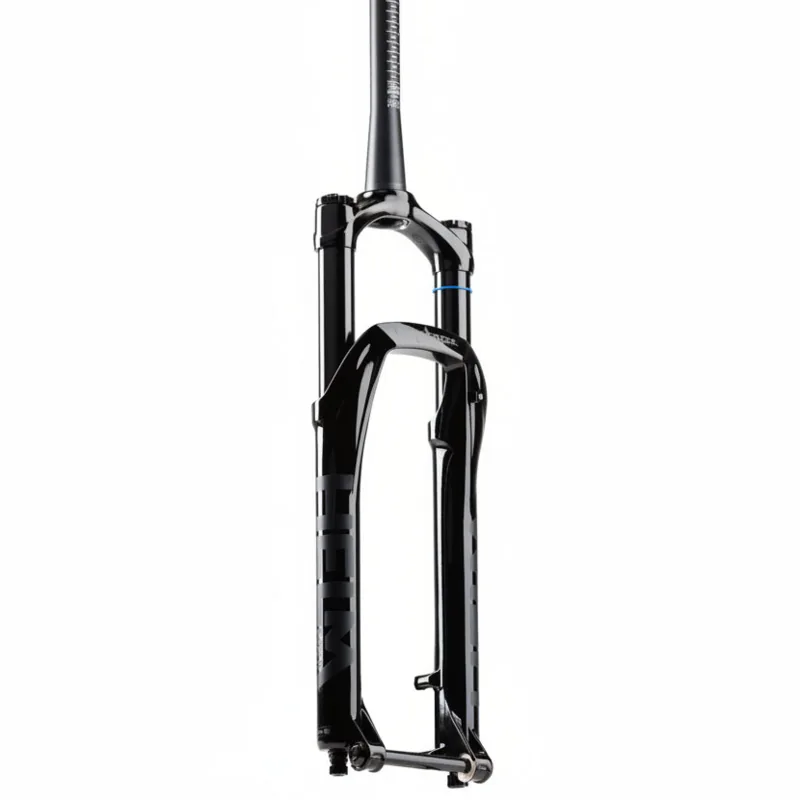
Cane Creek Helm MKII Air Manual
PDF manual · 38 Pages
English



Quick check
Incorrect answer, please try again.
Chat with your Cane Creek Helm MKII Air manual using AI
Get instant AI answers from your Cane Creek Helm MKII Air manual
Ask anything about the Cane Creek Helm MKII Air. Answers come from this manual, with the pages they are based on.
Helm MKII Air Maintenance Schedule
Verify sag settings and ensure the fork extends fully. Reset air pressure in both positive and negative chambers if necessary.
Wash the fork with mild soap and water. Inspect the travel indicating O-ring for damage or wear.
Check the stanchion tubes for scratches, dents, or other surface damage that could affect seals.
Clean the threads of the air valves to prevent dirt from entering the air spring during inflation.
Check headset preload, verify brake caliper connection torque, and ensure axle tension is correct.
Remove lowers, clean and inspect bushings and seals, and change the oil bath.
Have a Cane Creek Authorized Service Center perform a full rebuild of the air spring and damper.
Ask a Question
Do you recommend Helm MKII Air?
Yes NoFrequently Asked Questions
Set sag with dampers fully open. Mount the bike, push down 3-5 times, then measure the O-ring movement. Aim for 15-25% of total travel. Adjust air pressure up or down and re-equalize chambers until the target is reached.
Is this answer helpful?
Yes, the Helm MKII supports internal travel adjustment. You can reduce travel in 10mm increments using included reducers. For air forks, this goes down to 100mm, while coil models go down to 130mm. Follow the manual steps carefully to avoid damage.
Is this answer helpful?
If the fork loses oil, air, or makes unusual noises, stop riding immediately. These are signs of potential malfunction. Contact a Cane Creek Authorized Suspension Service Center for inspection to prevent serious injury or loss of vehicle control.
Is this answer helpful?
Yes, a dedicated star nut setter tool is required to safely install the star nut into the steerer tube at the correct depth of 15mm. Improper installation can lead to steerer tube failure.
Is this answer helpful?
Perform basic checks every ride and clean the exterior every five rides. A full bushing and seal inspection with oil change is recommended every 50 hours. A complete rebuild should be done by an authorized center every 100 hours.
Is this answer helpful?
Advantages and Disadvantages
Advantages

- Highly adjustable travel range from 170mm down to 100mm with indexed reducers
- Dual-position compression damping controls for tailored traction and impact management
- Compatible with both Bolt-On and D-LOC quick-release axle systems
- Clear indexing for air volume reduction allows customizable bottom-out resistance
- Detailed manual provided with specific torque values and safety warnings
Disadvantages

- Complex internal travel adjustment process requires careful disassembly and reassembly
- Requires specialized tools like crown race setters and star nut setters for installation
- Warranty voids easily if non-genuine parts or unauthorized modifications are used
- Air spring setup involves a multi-step equalization process that can be confusing initially
- Coil spring rate changes require purchasing additional springs rather than simple swaps
Product Specification
Type
Suspension fork
Colors
black
Wheel size
29"
Travel
5.51 inches
Spring element
Air
Material
Aluminum
Steerer tube
tapered 1.5"
Steerer tube diameter
1.38 inches
Rake
2.01 inches
Axle system
15mm thru-axle (Boost)
Brake system
Disc brake
Brake mount
Postmount
Weight
4.59 lbs
Product Description
Master the Cane Creek Helm MKII Air 29" 140mm 51mm Fork
The Cane Creek Helm MKII Air 29" 140mm 51mm Fork represents a pinnacle of suspension engineering designed for riders who demand precision, adjustability, and reliability. This manual details the comprehensive features of this high-performance component, ensuring you can extract every ounce of performance from your ride. Whether you are tackling technical descents or navigating smooth trails, understanding the intricacies of the Helm MKII is essential for safety and optimal function.
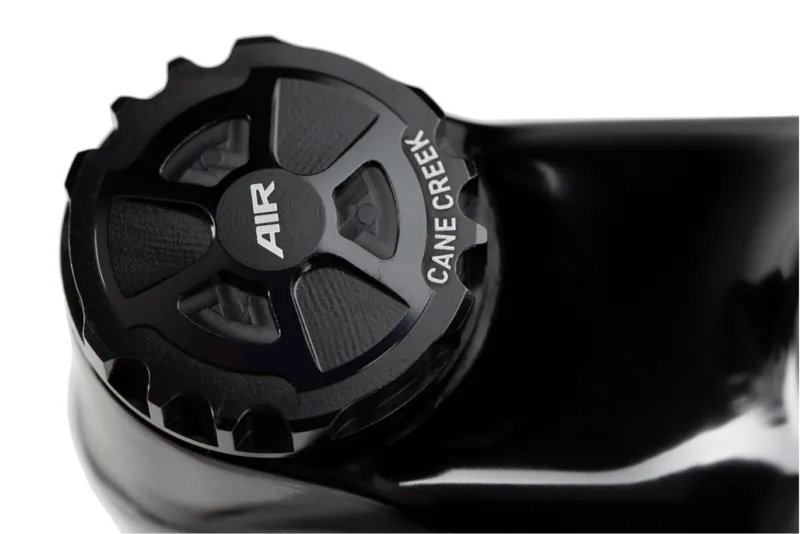
At the heart of this fork lies its advanced air spring system, which allows for a progressive feel without the need for volume spacers in many setups. The indexed travel adjustment system lets you fine-tune the fork from 170mm down to 100mm in precise increments, adapting to various riding styles and terrain types. The damper features distinct low-speed and high-speed compression adjustments, giving you control over traction, pedal bob, and harsh impact absorption. Rebound damping further refines the return speed, ensuring the wheel stays planted after compressions.
Installation requires specific tools such as a crown race setter, star nut setter, and various hex wrenches. Proper setup involves setting sag between 15% and 25% of total travel, a critical step often overlooked by new users. The manual emphasizes strict adherence to torque specifications for bolts and axle systems to prevent catastrophic failure. Both bolt-on and D-LOC axle options are supported, offering versatility across different hub standards. Regular maintenance, including oil changes and seal inspections, is vital to maintain warranty coverage and ensure long-term durability. Always consult an authorized service center for complex repairs or if the fork exhibits unusual noises or oil leaks.
Search for 67,706 Manuals online


Type-in Brand or Model