

Free Busch & Muller Manuals – Read, Download & Print
18 Manuals
Manuals
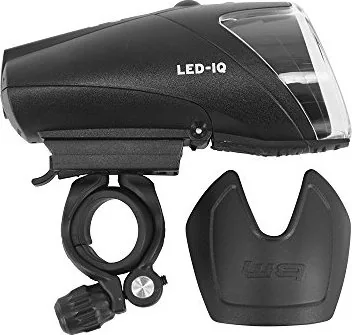
2 Pages
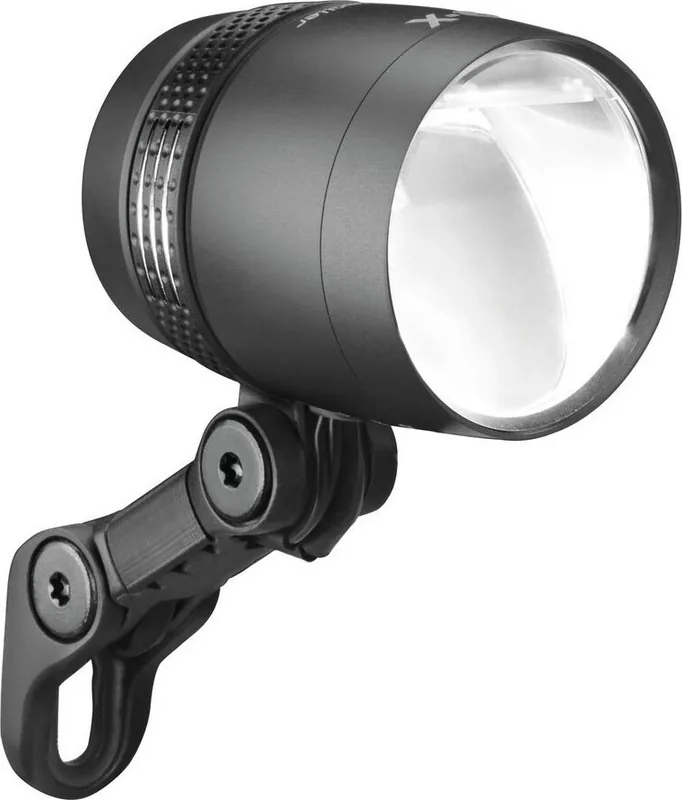
3 Pages
2 Pages
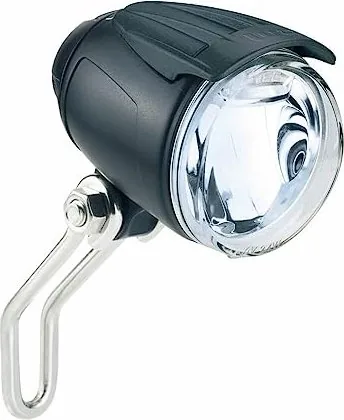
2 Pages
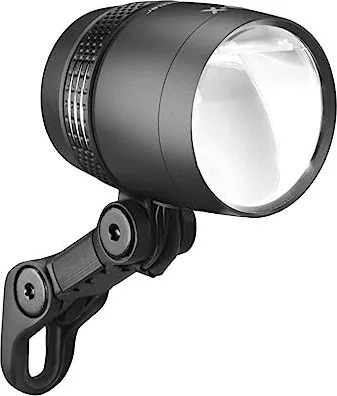
1 Pages
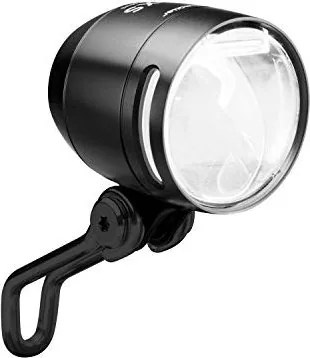
3 Pages
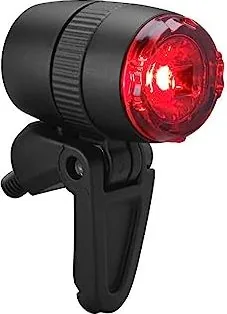
2 Pages
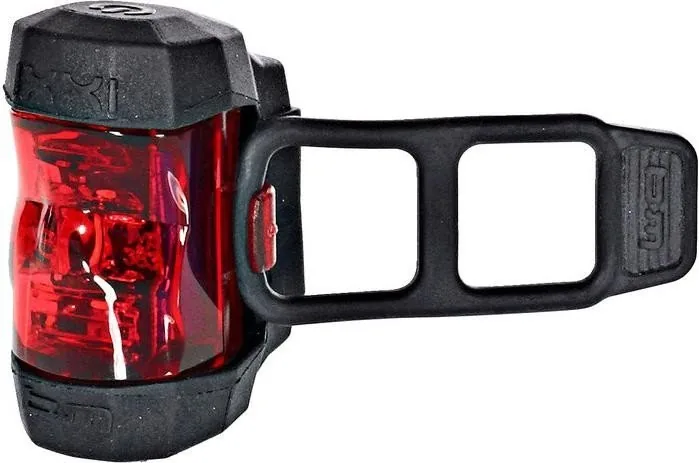
2 Pages
2 Pages
3 Pages
2 Pages
100 Pages
40 Pages
2 Pages
2 Pages
1 Pages
11 Pages
40 Pages
Categories

Free Busch & Muller Manuals - Read, Download & Print
Find Busch & Muller Product Manuals and Guides
Looking for Busch & Muller manuals? This page helps riders, commuters, cyclists, workshop owners, and e-bike users locate practical documentation for Busch & Muller lighting systems, bicycle computers, mirrors, dynamo accessories, and related products. Manuals provide useful information for installation, operation, maintenance, compatibility, and troubleshooting. Whether you need guidance for a front light, rear light, hub dynamo setup, charging cable, control unit, or display, the right instruction manual can make setup safer and easier.
Busch & Muller is widely known for bicycle lighting and visibility equipment designed for everyday riding, touring, urban cycling, and e-bike use. Its products can include detailed technical features such as daytime running lights, automatic sensors, standlight functions, USB charging options, high beam settings, brake light functions, and power connections for dynamo or e-bike systems. Because features vary between models, reading the correct manual before installation is important.
Read Manuals Online
Online manuals offer a convenient way to review product instructions from a phone, tablet, laptop, or desktop computer. Reading a manual online can be especially helpful when you want to quickly check a mounting diagram, locate a wiring detail, confirm a button function, or compare technical specifications before making changes to your bicycle.
A typical Busch & Muller manual may explain the following topics:
- Product identification and model information
- Intended use and safety warnings
- Parts included in the package
- Mounting instructions and bracket placement
- Cable routing and electrical connections
- Dynamo, battery, or e-bike power requirements
- Controls, indicators, and operating modes
- Care, cleaning, and storage advice
- Troubleshooting steps
- Technical data and legal compliance information
When reading an online guide, start with the title page and product number to make sure the document matches your exact item. Similar lights can have different mounting hardware, voltage requirements, connectors, or settings. A manual for one version should not automatically be used for another version.
Download Manuals for Offline Access
Downloading a manual can be useful when you need instructions in a workshop, garage, basement, bike shed, or outdoor repair location with limited internet access. Saved PDF manuals are easy to keep on a mobile device or computer, allowing you to refer to diagrams and instructions whenever needed.
Before downloading, verify that the source is trustworthy and that the document is complete. Official manufacturer pages, authorized retailers, product support pages, and legitimate documentation archives are usually the best places to look. A complete manual should include its model name, publication details, safety information, and clear illustrations or wiring diagrams where applicable.
Keep downloaded manuals organized by product type and model. For example, create folders for front lights, rear lights, e-bike lights, dynamo components, and accessories. Rename files with the product name and model number so they can be found quickly later. This is particularly useful for households with several bicycles or workshops servicing different lighting systems.
Print Instructions for Your Workshop or Ride
A printed manual is practical for hands-on installation and repairs. You can place printed pages near your workbench, make notes about cable lengths or mounting positions, and keep essential troubleshooting pages in a bicycle maintenance folder. Printing only the pages you need can also save paper while still providing useful reference material.
Consider printing these sections first:
Installation Diagrams
Mounting drawings and connection diagrams can prevent incorrect installation. They may show the correct orientation of a lamp, bracket placement, cable polarity, connector routing, and required spacing from wheels, forks, handlebars, or luggage racks.
Safety Information
Safety pages often explain proper use, limitations, and conditions that may affect performance. Bicycle lighting should be mounted securely and aimed correctly to improve visibility without causing glare for other road users.
Operating Instructions
Print the pages describing switches, sensor modes, charging procedures, battery indicators, and high beam controls. These pages are useful during the first rides after installation and when lending a bicycle to another rider.
Troubleshooting Tables
A printed troubleshooting chart can help identify common causes of problems such as a light not turning on, flickering illumination, poor charging performance, loose connections, or an unexpected operating mode.
Important Information Before Installation
Before fitting any Busch & Muller lighting product or accessory, inspect the bicycle and confirm that the product is compatible with the existing setup. Lighting systems can be powered in different ways, including hub dynamos, bottle dynamos, rechargeable batteries, integrated e-bike systems, or dedicated electrical outputs. Connecting a product to an unsuitable power source can damage the unit or create an unsafe condition.
Check the manual for voltage, current, connector, and mounting requirements. If you are installing a light on an e-bike, verify compatibility with the motor system and consult the bicycle or drive system documentation as well. Some e-bike lighting connections should only be handled by qualified service personnel.
Use appropriate tools, avoid pinching cables, and secure wires away from moving parts, sharp edges, tires, spokes, suspension components, and hot surfaces. After installation, test all functions before riding in traffic. Confirm that the beam is aligned correctly, the rear light is visible, and all brackets remain tight after a short test ride.
Troubleshooting Common Lighting Issues
Manuals can help you solve basic problems safely and systematically. Start with simple checks before replacing components. For a light that does not work, inspect the power source, connectors, cable condition, mounting position, and switch settings. Dirt, moisture, damaged wires, loose plugs, and incorrect configuration can all affect performance.
For dynamo systems, check that the dynamo is operating correctly and that cable connections are secure. For rechargeable units, confirm that the battery has been charged using the recommended method. For e-bike lights, check whether the lighting function is enabled through the bicycle display or control system.
Do not open sealed electronic components unless the manufacturer specifically permits it. Opening a sealed housing may affect water resistance, warranty coverage, and electrical safety. If a problem continues after following the relevant manual instructions, contact an authorized dealer or qualified bicycle technician.
Use the Correct Manual for Your Model
Busch & Muller products may be updated over time, and manuals can differ by production version, market, mounting style, or power configuration. The most reliable way to find the right document is to identify the exact model name and item number shown on the product, packaging, invoice, or original documentation.
Look closely at labels on the light housing, bracket, cable, or accessory. If the model number is difficult to read, compare the physical product with official product images and specifications. Details such as lens shape, mounting location, connector type, number of buttons, and light output options can help distinguish similar models.
Avoid relying only on a product family name. A manual may cover multiple variants, but important notes can apply only to certain versions. Read footnotes, compatibility tables, and wiring labels carefully.
Responsible Access to Documentation
Manuals and product documents are protected by copyright and may be provided under specific terms by the manufacturer or rights holder. Use official or authorized sources whenever possible. Free access may be available for many current and older products, but availability can vary by model, language, region, and document type.
If a manual is not available online, an authorized Busch & Muller dealer may be able to help identify the product, provide installation advice, or request documentation through official channels. Retailers can also be useful when a product has been discontinued or when a bicycle uses a customized e-bike or dynamo installation.
Get More From Your Bicycle Equipment
A clear manual helps you use bicycle equipment with confidence. Proper installation and regular checks can improve road visibility, reduce the risk of loose wiring or damaged mounts, and help preserve the performance of your lighting system. Keep your manual available for future maintenance, seasonal bicycle preparation, accessory upgrades, and troubleshooting.
Use the correct Busch & Muller manual to read instructions online, download an authorized copy for offline reference, or print the pages most useful for your bicycle setup. With accurate product information at hand, you can install, operate, and maintain your equipment more effectively.
Search for 67,732 Manuals online


Type-in Brand or Model