
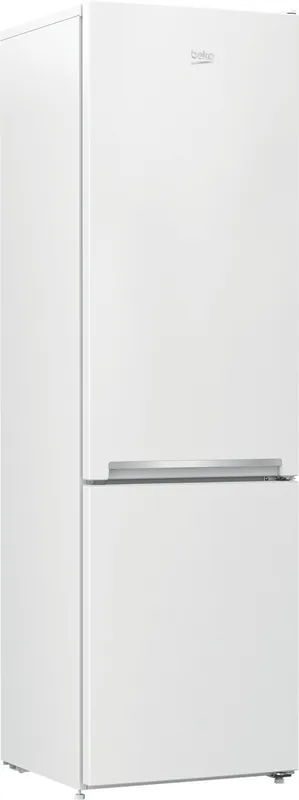
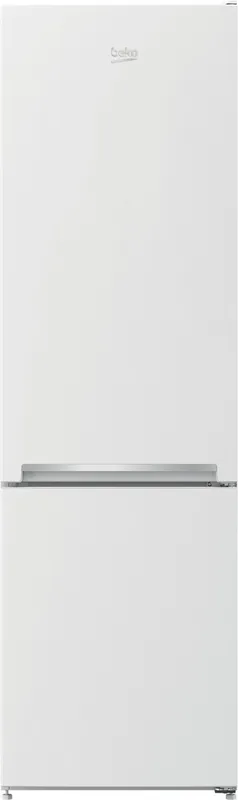
Beko RCSA300K30WN Manual
PDF manual · 52 Pages
English



Quick check
Incorrect answer, please try again.
Chat with your Beko RCSA300K30WN manual using AI
Get instant AI answers from your Beko RCSA300K30WN manual
Ask anything about the Beko RCSA300K30WN. Answers come from this manual, with the pages they are based on.
RCSA300K30WN Maintenance Schedule
Defrost twice a year or when frost layer reaches approx. 7 mm. Switch off appliance, remove food, and clean interior.
Remove dust gathered on the condenser at the back of the appliance once a year with a vacuum cleaner.
Check door seals regularly to ensure they are clean and free from food particles.
If defrost water does not drain, check that no food particles have blocked the drain tube. Clear with a pipe-cleaner.
Free maintenance reminders
Timed to your purchase date. Always free, unsubscribe anytime.
Ask a Question
Do you recommend RCSA300K30WN?
Yes NoDo you recommend RCSA300K30WN?
Yes NoFrequently Asked Questions
No, it is not recommended to use this appliance in unheated rooms like garages where temperatures may drop below 10 degrees Celsius, as it may not function correctly.
Is this answer helpful?
You should defrost the freezer twice a year or whenever a frost layer reaches approximately 7 millimeters in thickness.
Is this answer helpful?
Do not open the door. Frozen food will remain safe for less than 13 hours. If the outage lasts longer, check the food and eat or cook it immediately.
Is this answer helpful?
Never use knives or forks to remove ice or frost, as this can damage the cooling system and cause leaks.
Is this answer helpful?
Normal noises include the compressor starting up, clicking sounds, and liquid flowing through the circuit. These are standard operational sounds.
Is this answer helpful?
Advantages and Disadvantages
Advantages

- Uses environmentally friendly R600a refrigerant
- Adjustable shelves for flexible storage configurations
- Automatic defrosting reduces manual maintenance
- Dedicated crispers preserve fruit and vegetable freshness
- Clear safety instructions for handling flammable gas
Disadvantages

- Requires careful placement away from heat sources
- Light bulb replacement must be done by professionals
- Cannot operate effectively in ambient temperatures below 10°C
- Must wait four hours after transport before first use
- Flammable refrigerant requires strict adherence to safety rules
Product Specification
Type
Freestanding
Energy efficiency class
F (A to G)
Energy consumption
312 kWh/year
Front color
white
Side color
white
Net capacity of refrigeration compartment
6.8 cu ft (top)
Net capacity of freezing compartment
3.1 cu ft (bottom)
Total net capacity
9.9 cu ft
Star rating
4
Freezing capacity in 24h
8.8 lbs
Storage time in case of malfunction
13 hours
Display
no
Features
Vegetable drawer, LowFrost, LED lighting
Climate class
SN/N/ST
Sound power level
38 dB(A)
Airborne sound emission class
C (A to D)
Door system
Right-handed door, reversible
Dimensions
21.3x71.4x22.6 in (WxDxH)
Product Description
Beko RCSA300K30WN: A Reliable Companion for Modern Kitchens
Welcome to the world of efficient home cooling with the Beko RCSA300K30WN. This appliance represents a blend of practical design and user-friendly operation, crafted to keep your food fresh for longer periods while maintaining energy efficiency. Designed with safety in mind, it utilizes R600a refrigerant, an environmentally friendly gas that is safe when handled correctly but requires specific precautions during installation and use.
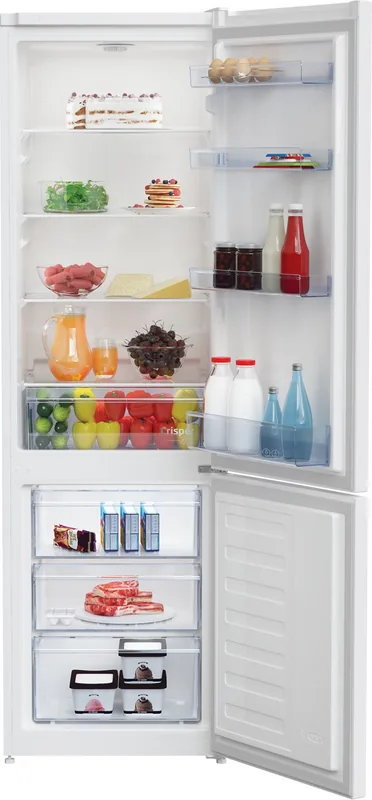
The interior layout is thoughtfully organized to maximize storage space. Adjustable shelves allow you to customize the height for tall bottles or large platters, while dedicated crispers keep fruits and vegetables hydrated. The door features specialized compartments for dairy products, jars, and bottles, ensuring everything has its place. For frozen goods, the freezer compartment offers ample room for long-term storage, complete with baskets for easy organization.
Operating this unit is straightforward thanks to the intuitive thermostat control located inside the fridge. You can easily adjust settings between 1 and 5 to match your cooling needs, with a recommended average temperature of +5°C for the refrigerator section. The freezer automatically defrosts, while the fridge compartment benefits from automatic defrosting cycles that prevent ice buildup without manual intervention.
Safety is paramount with this model. The appliance includes clear warnings about the flammable nature of the refrigerant under certain conditions. It is crucial not to damage the cooling circuit and to ensure proper air circulation around the unit to prevent overheating. The manufacturer advises against using mechanical devices to speed up defrosting or placing electrical appliances inside the food compartments unless they are specifically recommended.
Maintenance is simple and cost-effective. Regular cleaning with mild soapy water and baking soda solutions keeps the interior hygienic. The condenser at the back should be vacuumed annually to remove dust and maintain efficiency. If the light bulb ever needs replacement, it is best to contact an authorized service provider, as these bulbs are designed for extreme temperatures and should not be replaced by unqualified personnel.
Important Notes for Owners
- Always wait at least four hours after transporting the unit horizontally before plugging it in to allow compressor oil to settle.
- Do not store bananas or melons in the refrigerator compartment as they do not thrive in cold temperatures.
- Ensure the appliance is placed on a level surface to minimize vibration and noise during operation.
- Keep raw meat separate from cooked foods to prevent cross-contamination.
Search for 67,732 Manuals online


Type-in Brand or Model