
Batavia Maxxpack 18V Manual
PDF manual · 100 Pages
English



Quick check
Incorrect answer, please try again.
Chat with your Batavia Maxxpack 18V manual using AI
Get instant AI answers from your Batavia Maxxpack 18V manual
Ask anything about the Batavia Maxxpack 18V. Answers come from this manual, with the pages they are based on.
Maxxpack 18V Maintenance Schedule
A fully charged battery loses about 2% of its charge per month during storage. Check the level before use.
After 100 charge cycles, operation time and maximum torque will slightly reduce. This is normal.
Free maintenance reminders
Timed to your purchase date. Always free, unsubscribe anytime.
Ask a Question
Do you recommend Maxxpack 18V?
Yes NoFrequently Asked Questions
No. You must use specifically designated battery packs designed for the tool. Using any other battery packs may create a risk of injury and fire. Only use the battery pack with which the tool was supplied.
Is this answer helpful?
Press on the button to the left of the indicator. The right LED indicates a high charge level and the left indicates a low charge level. If low, the tool may stop operating while using it.
Is this answer helpful?
Wipe the liquid off carefully using a cloth. Avoid skin contact. If redness or pain occurs, seek medical attention. Rinse eyes immediately with clean water if contact occurs.
Is this answer helpful?
No. Do not store Lithium-Ion battery packs in a discharged state long term. This can damage the Lithium-Ion cells. For storage, keep batteries in a high charge state disconnected from the power tool.
Is this answer helpful?
Batteries and rechargeable batteries must not go in domestic waste. You are legally obliged to dispose of them at a collection point in your community or retail outlet for environmentally friendly disposal.
Is this answer helpful?
The rated voltage is 18 V DC. Both model variants operate at this voltage but differ in capacity and weight.
Is this answer helpful?
Yes. After charging, allow 15 minutes for the battery to cool before use. This ensures longevity and safety during operation.
Is this answer helpful?
Advantages and Disadvantages
Advantages

- Compatible with 30+ different tools within the 18V cordless collection
- Built-in charge indicator button shows level status clearly
- No memory effect allows charging after every use easily
- Charger monitors temperature and voltage during charging
- Different capacity options available for specific needs
Disadvantages

- Capacity reduces over time after hundreds of cycles
- Must be stored away from extreme heat and cold
- Performance drops slightly after 100 charge cycles
- Cannot be stored in discharged state long term
- Specific charger required, cannot mix with other batteries
Product Specification
Type
Tool Battery
Battery Voltage
18V
Battery Type
Li-Ion
Features
Charge Level Indicator
Product Description
Powering Your Tools Reliably
Finding the right energy source for your power tools is essential for completing projects efficiently and safely. The Batavia Maxxpack Cordless Tool Battery 18V, Li-Ion Manual serves as a comprehensive guide for users looking to maximize the lifespan and performance of their equipment effectively. This product line offers versatile power solutions compatible with over 30 different tools within the collection.
Detailed Technical Overview
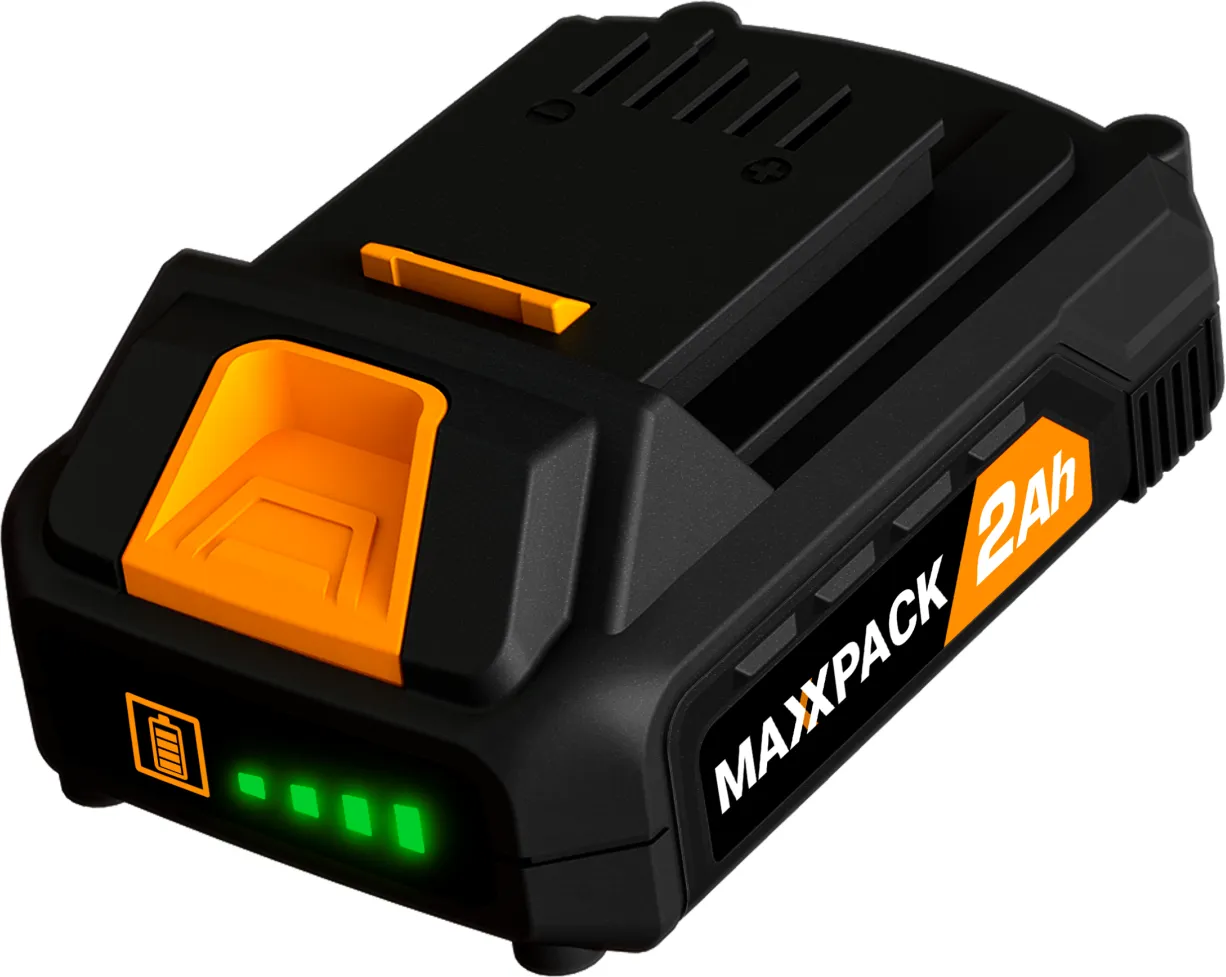
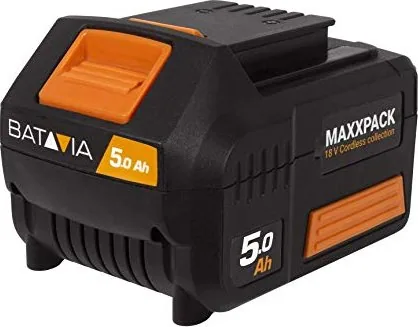
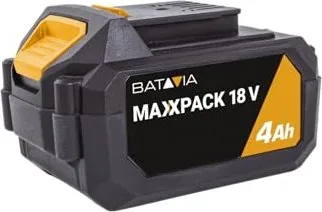
The range includes specific models designed for varying operational demands. One option provides a 2.0 Ah rating while another offers 4.0 Ah capacity available in this series. Both operate at a rated voltage of 18 V for consistent power delivery. Weight differences exist between the units, with lighter options suitable for extended handheld work sessions. Users should refer to the instructions provided with each pack to ensure compatibility with their specific machinery. The 2.0 Ah unit weighs 0.41 kg while the larger capacity version weighs 0.67 kg.
Comprehensive Safety Instructions
Safety remains a top priority during operation and handling procedures. Improper handling can lead to fire, explosion risks, or physical injury. It is crucial to avoid exposing the unit to water, moisture, or extreme heat above 40 C during storage or operation. Keep them out of reach of children always. The charger is designed for specific voltage matching, so verify mains supply compatibility before connecting to the outlet. A built-in indicator allows you to check levels easily by pressing the charge button on the side.
Charging and Storage Protocols
Lithium-Ion technology does not suffer from memory effects, making regular charging easier for modern users. Ideally, charge after every use to maintain peak performance for the next project. However, stored batteries lose about 2% capacity per month during non-use. Avoid storing in a discharged state for long periods as this damages cells. After charging, allow fifteen minutes to cool before use. The charger utilizes LED lights where green shows charge. Always remove from charger once full to save energy.
Disposal and Conclusion
Disposal must follow strict environmental laws regarding hazardous materials. Do not place in domestic waste bins. Contact local recycling centers for proper handling of old batteries. Remember that capacity reduces over time naturally. After 100 charge cycles, operation time might decrease slightly due to wear. This is normal behavior and not a defect. After 500 cycles, minimal capacity is reached typically. Always remove from charger once full to save energy. Proper maintenance ensures optimal tool function for years.
Search for 67,706 Manuals online


Type-in Brand or Model