
BASF Ultrafuse TPU 85A Manual
PDF manual · 12 Pages
English



Quick check
Incorrect answer, please try again.
Chat with your BASF Ultrafuse TPU 85A manual using AI
Get instant AI answers from your BASF Ultrafuse TPU 85A manual
Ask anything about the BASF Ultrafuse TPU 85A. Answers come from this manual, with the pages they are based on.
Ask a Question
Do you recommend Ultrafuse TPU 85A?
Yes NoFrequently Asked Questions
It is best suited for flexible 3D-printed parts that need elasticity, shock absorption, or a grippy surface. Common use cases include prototypes, protective elements, dampening parts, and functional components that must bend without breaking.
Is this answer helpful?
No specific hazard classification is indicated under common GHS/CLP criteria. It does not require a hazard warning label, provided it is handled and stored according to the recommended safety guidance.
Is this answer helpful?
Keep it in a dry place and protect it from moisture. The material should also be kept away from foods and animal feeds, with dust accumulation avoided where possible.
Is this answer helpful?
Yes, ventilation is recommended during drying and near the melt outlet of processing machines. Good airflow helps manage any dust, aerosols, or fumes that may appear during processing.
Is this answer helpful?
It softens above 120°C and should not be overheated. Prolonged thermal stress can cause decomposition, so careful temperature control is important during printing and post-processing.
Is this answer helpful?
Only after checking all relevant national and international regulations. The material notes that consumer goods or medical products must meet the applicable legal requirements before use.
Is this answer helpful?
Advantages and Disadvantages
Advantages

- Flexible 85A TPU supports elastic parts, cushioning, and grip-oriented designs.
- Not classified as hazardous under standard GHS/CLP criteria.
- Odourless and suitable for controlled workshop or production use.
- Stable when stored and processed correctly, with clear handling guidance.
Disadvantages

- Sensitive to moisture, so dry storage is important.
- Overheating can cause decomposition and release unwanted gases.
- Ventilation is recommended during drying and extrusion.
- Special regulations may apply for food-contact or medical use.
Product Specification
Packaging
Filament Spool
Type
TPU
Weight
1.65 lb
Features
flexible
Product Description
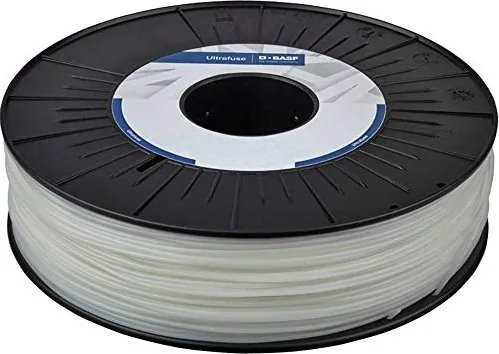
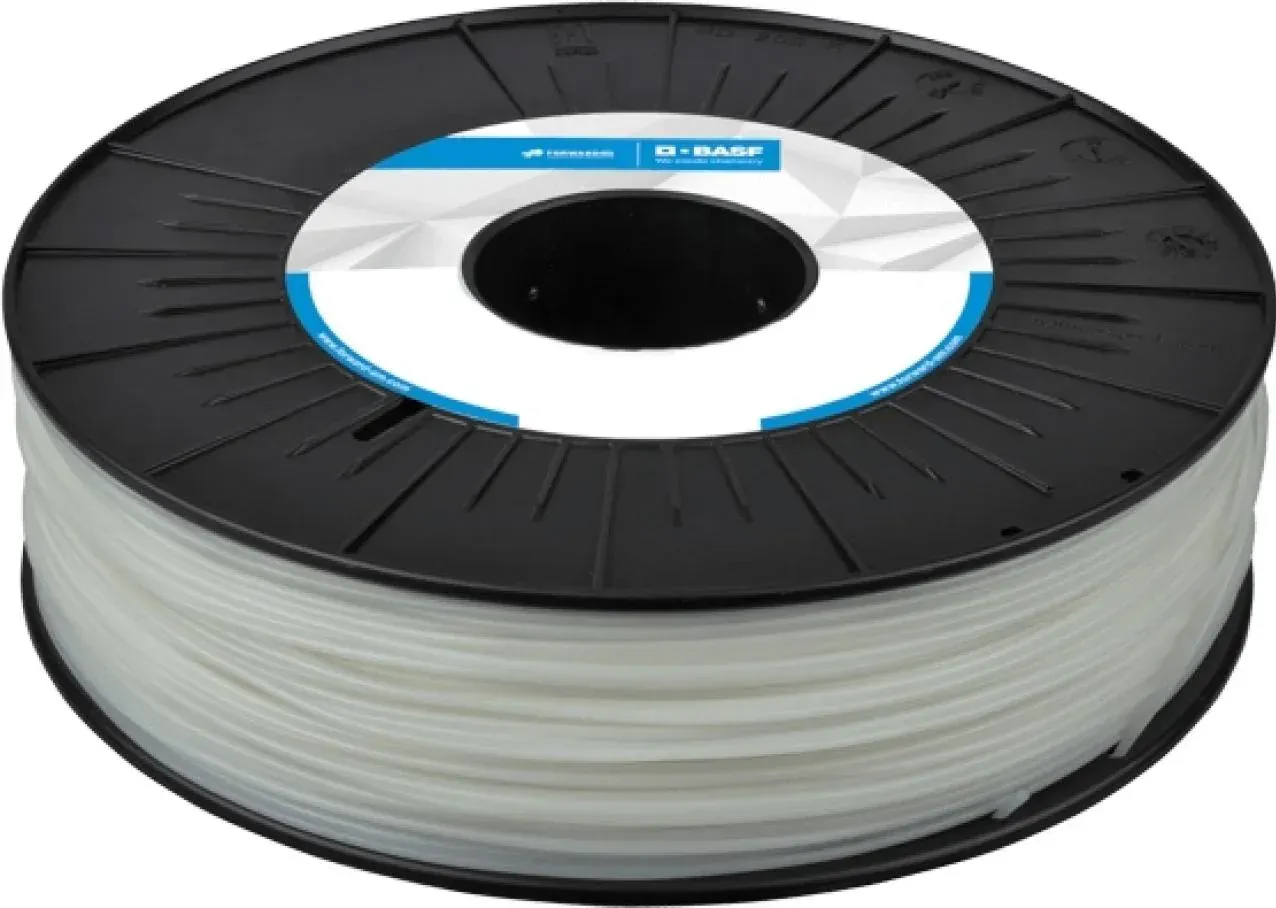
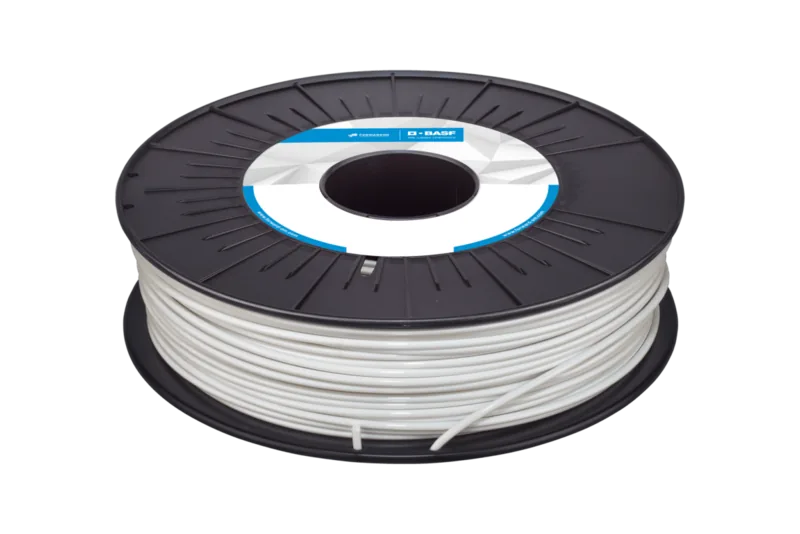
BASF Ultrafuse TPU 85A: Flexible 3D Printing Filament with Practical Strength
BASF Ultrafuse TPU 85A is a flexible 3D printing filament designed for makers and professionals who need elastic, durable parts with a clean handling profile. Built on a polyurethane-based formulation with stabilizing agents and additives, it offers a balanced mix of softness, resilience, and processing stability for everyday additive manufacturing.
With a Shore hardness of 85A, this filament sits in a useful middle ground: flexible enough for parts that need bending, cushioning, or grip, yet firm enough to keep their shape in functional prints. Its transparent-to-opaque appearance and odourless nature make it a straightforward material for workshop and production environments where consistency matters more than visual flash.
One of the most practical advantages of Ultrafuse TPU is its stable safety profile. According to the available information, it is not classified as hazardous under common GHS criteria and does not carry a hazard warning label. That does not mean it should be treated casually, but it does suggest a material that can fit well into controlled printing workflows when normal handling guidance is followed.
For best results, ventilation is recommended during drying and near the melt outlet of processing machines. Like many technical filaments, TPU should be protected from moisture and stored in a dry environment. It is also wise to keep it away from foods and animal feeds, avoid dust build-up, and use appropriate personal protective equipment when working with hot or airborne material.
In terms of performance, the filament softens above 120°C and remains non-flammable under standard test conditions, while thermal decomposition can occur if it is overheated. This makes temperature control an important part of the printing process. When processed correctly, it can support a wide range of flexible applications, from protective covers and dampening elements to grippy, wear-resistant prototypes.
The material is also described as virtually non-toxic in common exposure scenarios and not expected to cause irritation or sensitization based on its chemical structure. Environmentally, it is poorly biodegradable and should be disposed of according to local rules, with clean packaging potentially suitable for recycling.
Notes
- Store dry and protect from moisture.
- Use ventilation during drying and printing.
- Avoid overheating to reduce degradation risk.
- Check consumer, food-contact, or medical requirements before use.
Search for 67,706 Manuals online


Type-in Brand or Model