
BASF Ultrafuse Professional Series Manual
PDF manual · 5 Pages
English



Quick check
Incorrect answer, please try again.
Chat with your BASF Ultrafuse Professional Series manual using AI
Get instant AI answers from your BASF Ultrafuse Professional Series manual
Ask anything about the BASF Ultrafuse Professional Series. Answers come from this manual, with the pages they are based on.
Ask a Question
Do you recommend Ultrafuse Professional Series?
Yes NoFrequently Asked Questions
It is based on a thermoplastic polylactic acid, or PLA, compound. PLA-based materials are widely used for FFF/FDM 3D printing because they are solid, practical to handle, and suitable for many prototype and modeling applications.
Is this answer helpful?
The filament is available in 1.75 mm and 2.85 mm diameters. Select the diameter that matches your printer's extrusion system and the specifications recommended by the printer manufacturer.
Is this answer helpful?
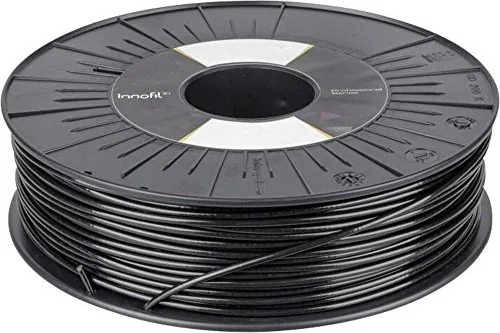
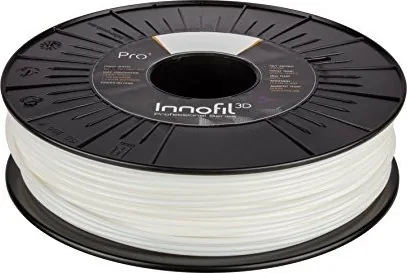
Listed color options are natural white, black, and silver. These choices can support visual prototypes, concept models, display parts, and general-purpose prints.
Is this answer helpful?
The listed melting range is 170-180 C. Temperatures above 250 C should be avoided because the material may decompose and produce irritating or harmful fumes. Use printer settings appropriate for the specific machine and application.
Is this answer helpful?
Adequate ventilation is recommended. Avoid creating or inhaling dust, and keep the printing area clean. If dust exposure is possible during handling or cleanup, use appropriate respiratory protection and eye protection.
Is this answer helpful?
Store the filament in a cool location at temperatures no higher than 50 C. Keep it away from ignition sources, excessive heat, strong oxidizers, and strong bases. Good storage practices help protect material quality and improve safe handling.
Is this answer helpful?
Advantages and Disadvantages
Advantages

- PLA-based professional filament available in both 1.75 mm and 2.85 mm diameters.
- Available in natural white, black, and silver for versatile prototype and model work.
- Not classified as hazardous under the referenced CLP/GHS criteria when properly handled.
- Inherently biodegradable under industrial composting conditions.
Disadvantages

- Overheating above 250 C can cause decomposition and irritating or harmful fumes.
- Dust may irritate eyes, skin, and respiratory passages if ventilation is poor.
- Molten polymer can cause burns and requires careful handling during printing.
- Material should be stored below 50 C and kept away from moisture, heat, and ignition sources.
Product Specification
Package
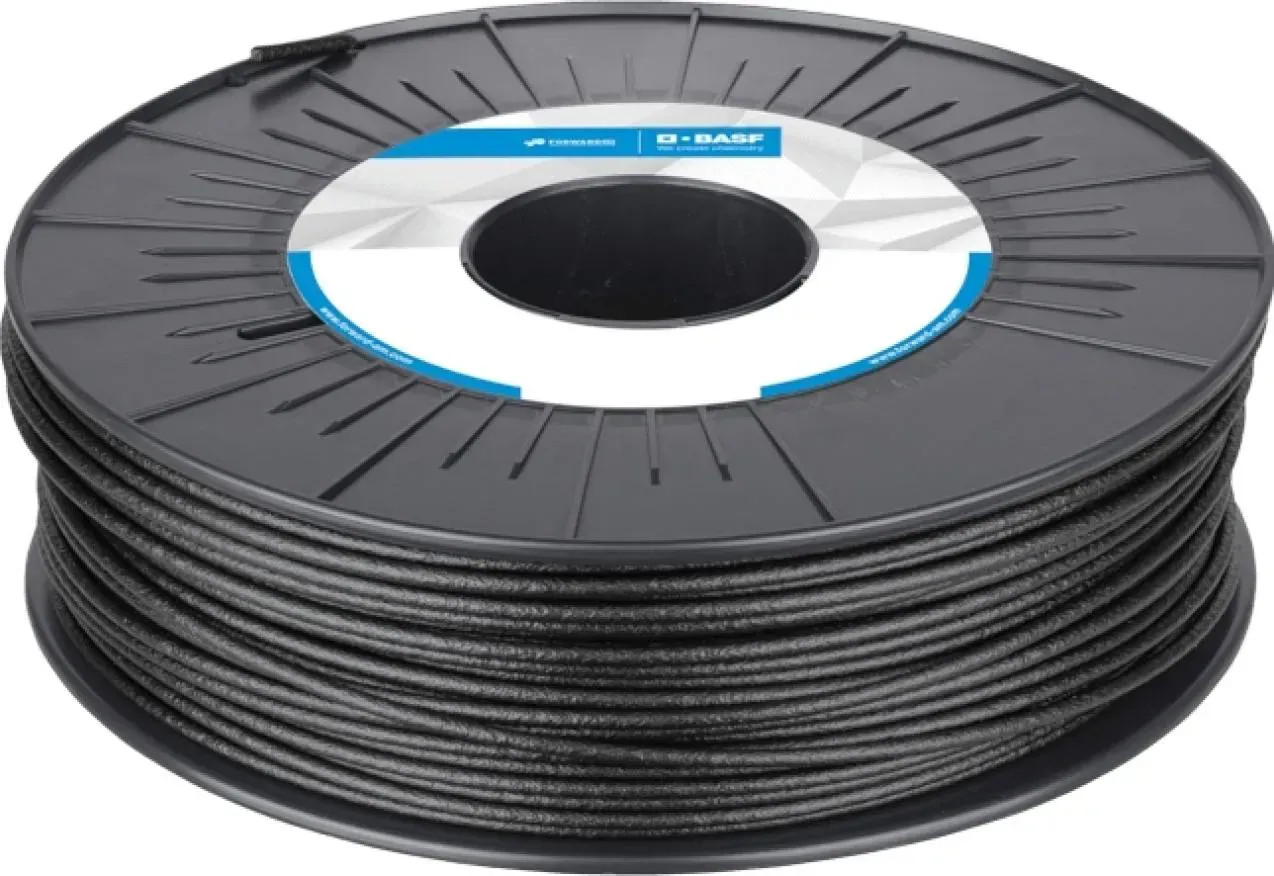
Filament spool
Product Description
BASF Ultrafuse Professional Series 3D Printing Filament - Read, Download & Print Free
BASF Ultrafuse Professional Series 3D printing filament is designed for makers, engineers, educators, and production users who value dependable thermoplastic material for everyday additive manufacturing. Based on a polylactic acid compound, this filament combines the familiar usability of PLA with a professional-focused approach to handling, storage, and safe printing practices.
The material is supplied as a solid monofilament in 1.75 mm or 2.85 mm diameters, making it suitable for a wide range of compatible FFF/FDM printers. Available color options include natural white, black, and silver, giving users practical choices for prototypes, visual models, functional concepts, and presentation pieces. Its sweet-like odor and density of approximately 1.25 g/cm3 are typical characteristics of this PLA-based formulation.
For successful printing, temperature control is essential. The filament has a melting range of 170-180 C and should not be exposed to temperatures above 250 C, where decomposition may occur. Good ventilation is recommended during printing and material handling, especially where dust or fumes could accumulate. Keeping the workspace clean also helps reduce dust-related irritation and limits the risk associated with fine airborne particles.
BASF Ultrafuse Professional Series 3D printing filament offers a practical material choice for users seeking a PLA compound with straightforward processing characteristics. The product is not classified as hazardous under the referenced CLP/GHS criteria when handled as intended. However, users should avoid eye and skin contact with dust, take care around hot molten polymer, and use suitable protective equipment when exposure conditions require it.
Storage is equally important for maintaining a consistent printing experience. Keep spools cool, dry, and below 50 C. Avoid direct heat sources, ignition sources, and contact with strong oxidizers or strong bases. The filament is inherently biodegradable under industrial composting conditions, but unused material and packaging should still be disposed of according to applicable local and national requirements.
Notes
- Use adequate ventilation during printing and cleanup.
- Wear eye protection when handling dust or working near molten material.
- Cool hot polymer on skin with water and seek medical advice for persistent irritation.
- Keep material away from drains, surface water, and groundwater.
Search for 67,706 Manuals online


Type-in Brand or Model