
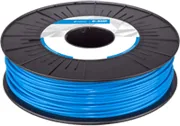
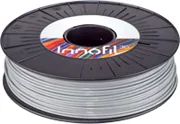
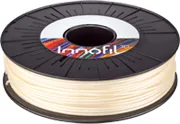
BASF Ultrafuse PLA Manual
PDF manual · 2 Pages
English



Quick check
Incorrect answer, please try again.
Chat with your BASF Ultrafuse PLA manual using AI
Get instant AI answers from your BASF Ultrafuse PLA manual
Ask anything about the BASF Ultrafuse PLA. Answers come from this manual, with the pages they are based on.
Ask a Question
Do you recommend Ultrafuse PLA?
Yes NoFrequently Asked Questions
It is best for clean, dependable prints such as prototypes, presentation models, and functional parts where ease of use and consistent quality matter. It also works well when you want to balance speed with appearance.
Is this answer helpful?
Yes. PLA is generally beginner-friendly, and this filament is designed to be easy to handle. It offers a forgiving printing experience, so new users can get good results without extensive tuning.
Is this answer helpful?
Yes, it is designed to support faster printing than many standard filaments. However, the best speed depends on your printer, part size, and desired finish, so some testing may be helpful.
Is this answer helpful?
It can produce solid parts with good layer adhesion, especially for prototypes and moderate-load applications. For heavy stress or high-temperature use, a more specialized engineering filament may be better.
Is this answer helpful?
Temperature, print speed, fan use, layer height, and bed adhesion are the main settings. Adjusting them lets you prioritize either speed, surface detail, or strength depending on the project.
Is this answer helpful?
It is easier to print than ABS in many cases and often gives cleaner results with less hassle. ABS may still be better for demanding heat resistance, but this filament offers a simpler workflow for many users.
Is this answer helpful?
Advantages and Disadvantages
Advantages

- Easy to print and friendly for everyday FDM workflows.
- Balanced for speed, strength, and surface quality.
- Consistent performance helps reduce failed prints.
- Suitable for prototypes and functional parts with a clean finish.
Disadvantages

- Very high speed may slightly reduce surface quality.
- Printer calibration still matters for best results.
- Not the best choice for parts needing extreme heat resistance.
- Some projects may require testing to find the ideal fan and temperature settings.
Product Specification
Packaging
Filament Spool
Type
PLA
Weight
1.65 lb
Product Description
BASF Ultrafuse PLA 3D Printing Filament Manual: A Practical Choice for Clean, Fast Results
BASF Ultrafuse PLA 3D printing filament is designed for makers who want dependable results without a complicated setup. It brings together the easy handling that PLA is known for with a more polished printing experience, making it a smart option for everyday prototyping, display pieces, and functional parts that need a neat finish. The overall appeal is simple: print faster, keep quality consistent, and spend less time fighting with the machine.
One of the strongest qualities of this filament is its balance. Instead of forcing users to choose between speed, strength, or appearance, it gives room to adjust the profile depending on the project. If you want quicker turnaround times, the material can support higher-speed printing. If your priority is a smoother surface or more detail, the settings can be tuned in that direction as well. That flexibility makes BASF Ultrafuse PLA 3D printing filament Manual a useful reference point for both hobby users and professionals.
In practice, the filament is most attractive when consistency matters. Stable extrusion, reliable layer bonding, and repeatable results across prints help reduce waste and improve productivity. This makes it especially useful for product development, short-run models, and parts that need to look clean right off the build plate. It is also a comfortable material for users who value low-friction printing and want a filament that behaves predictably across sessions.
Another advantage is its broad usability on desktop FDM printers. With the right settings, users can move between fast prints, stronger builds, and more aesthetic results without changing materials. That versatility is valuable in a busy workshop where one spool may need to serve multiple purposes. While higher speeds can slightly affect surface quality, the trade-off is often worth it when time and throughput matter most.
Why it stands out
BASF Ultrafuse PLA offers a practical blend of speed, reliability, and print quality. It is well suited for users who want a filament that can handle different project goals while remaining easy to work with. For anyone building a reliable workflow, it can become a go-to material for everyday 3D printing.
Notes
- Best results usually come from a tuned profile rather than generic settings.
- Faster printing may reduce fine surface detail.
- Consistency across batches is a major advantage for repeatable work.
- Ideal for prototypes, models, and clean-looking functional prints.
Search for 67,706 Manuals online


Type-in Brand or Model