
BASF Ultrafuse Innoflex 45 Manual
PDF manual · 7 Pages
English



Quick check
Incorrect answer, please try again.
Chat with your BASF Ultrafuse Innoflex 45 manual using AI
Get instant AI answers from your BASF Ultrafuse Innoflex 45 manual
Ask anything about the BASF Ultrafuse Innoflex 45. Answers come from this manual, with the pages they are based on.
Ask a Question
Do you recommend Ultrafuse Innoflex 45?
Yes NoFrequently Asked Questions
This filament is primarily used for creating flexible, durable prototypes and end-use parts that require rubber-like elasticity, such as seals, gaskets, and soft-touch grips.
Is this answer helpful?
Yes, it is compatible with most standard FDM printers, though you should ensure your machine handles flexible materials well and has appropriate extruder gears.
Is this answer helpful?
Store the filament in a sealed container with desiccant packets to prevent moisture absorption, which can cause printing defects and reduce mechanical strength.
Is this answer helpful?
While not strictly mandatory, mild heating or specific curing processes can enhance the final mechanical properties and surface finish of printed parts.
Is this answer helpful?
According to EU directives, no specific hazard symbols or R-phrases are required for labeling this product, indicating a safe handling profile under normal conditions.
Is this answer helpful?
Advantages and Disadvantages
Advantages

- Delivers exceptional flexibility and high elongation at break for realistic rubber-like behavior
- Ensures consistent layer adhesion and minimal warping during the printing process
- Compatible with standard FDM printers requiring no specialized hardware modifications
- Supports various post-processing techniques including sanding and painting for custom finishes
- Ideal for functional prototyping in automotive, medical, and consumer goods industries
Disadvantages

- Requires precise temperature control to avoid nozzle clogging due to material viscosity
- May exhibit slight shrinkage during cooling which affects tight tolerance assemblies
- Higher material cost compared to standard PLA or ABS filaments on the market
- Storage requirements are strict to prevent moisture absorption before printing begins
- Post-print curing may be necessary to achieve maximum mechanical property values
Product Specification
Package
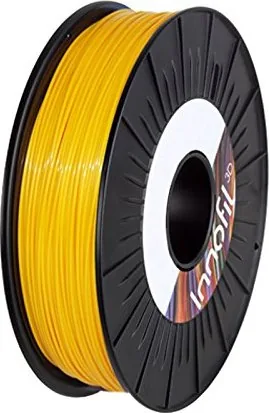
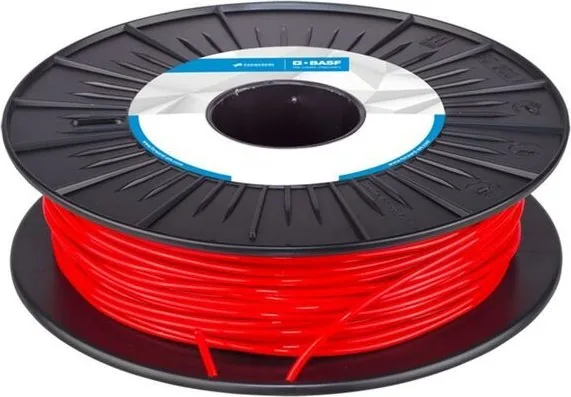
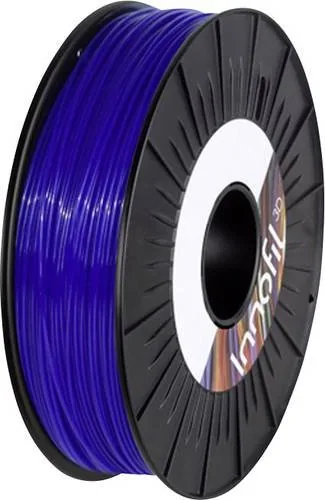
Filament Spool
Type
TPC
Weight
1.10 lbs
Features
flexible
Product Description
BASF Ultrafuse Innoflex 45: The Future of Flexible 3D Printing
BASF Ultrafuse Innoflex 45 stands as a premier choice for engineers and designers seeking the perfect balance between flexibility and durability in additive manufacturing. This specialized 3D printing filament is engineered to deliver rubber-like properties that mimic traditional elastomers while maintaining the precision required for complex industrial applications. Whether you are prototyping seals, gaskets, or soft-touch components, this material offers a versatile solution that adapts to demanding performance criteria.
The core strength of Ultrafuse Innoflex 45 lies in its unique composition, which allows for high elongation at break without compromising structural integrity. Users can expect consistent layer adhesion and minimal warping during the printing process, ensuring that final parts retain their intended dimensions and mechanical characteristics. This reliability makes it an ideal candidate for functional testing where real-world stress conditions must be simulated accurately.
Beyond mechanical performance, the filament supports a wide range of post-processing techniques. Its surface finish can be easily refined through sanding or painting, allowing for customization that meets specific aesthetic or tactile requirements. The material compatibility with standard FDM printers further lowers the barrier to entry, enabling workshops to integrate high-performance flexible parts into their existing workflows without significant hardware upgrades.
For professionals operating in sectors like automotive, consumer goods, or medical device development, the ability to produce durable, flexible prototypes rapidly is invaluable. This product bridges the gap between rapid prototyping and end-use part production, offering a cost-effective method to iterate designs quickly. By leveraging the advanced chemistry of BASF, users gain access to a material that performs reliably under repeated flexing and compression cycles.
In summary, BASF Ultrafuse Innoflex 45 represents a significant advancement in polymer-based 3D printing. It empowers creators to push the boundaries of what is possible with thermoplastic elastomers, delivering parts that are not only easy to print but also built to last in dynamic environments.
Search for 67,706 Manuals online


Type-in Brand or Model