
BASF Ultrafuse ABS Manual
PDF manual · 7 Pages
English



Quick check
Incorrect answer, please try again.
Chat with your BASF Ultrafuse ABS manual using AI
Get instant AI answers from your BASF Ultrafuse ABS manual
Ask anything about the BASF Ultrafuse ABS. Answers come from this manual, with the pages they are based on.
Ask a Question
Do you recommend Ultrafuse ABS?
Yes NoFrequently Asked Questions
It is used for making durable 3D printed parts such as prototypes, housings, brackets, and general-purpose components that need toughness and impact resistance.
Is this answer helpful?
Under the referenced EU classification, it is not classified as dangerous in normal handling. Still, standard safety practices are recommended during printing and storage.
Is this answer helpful?
Avoid temperatures above 300 °C. Excess heat can decompose the material and create fumes or other unwanted byproducts during processing.
Is this answer helpful?
Yes. Good ventilation is recommended, especially during heating, because fumes may be released at elevated temperatures and can irritate the respiratory system.
Is this answer helpful?
Treat molten ABS carefully. Do not remove it from skin if contact occurs; cool the area with running water and seek medical attention for burns.
Is this answer helpful?
Yes. It should be stored using standard manufacturing practices in a clean, dry area away from ignition sources and excessive dust accumulation.
Is this answer helpful?
Advantages and Disadvantages
Advantages

- Stable thermoplastic filament suited for functional 3D printed parts.
- Not classified as dangerous under common EU criteria.
- Odorless in normal conditions and easy to handle in workshops.
- Can be recycled or recovered through approved disposal routes.
Disadvantages

- High-temperature processing can release irritating fumes.
- Molten material may cause serious thermal burns on contact.
- Dust buildup can create slip and combustible-dust risks.
- Environmental persistence is expected because it degrades slowly.
Product Specification
Packaging
Filament Spool
Type
ABS
Weight
1.65 lb
Special features
weather resistant
Product Description
BASF Ultrafuse ABS 3D Printing Filament Manual
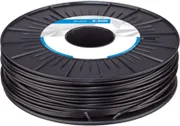
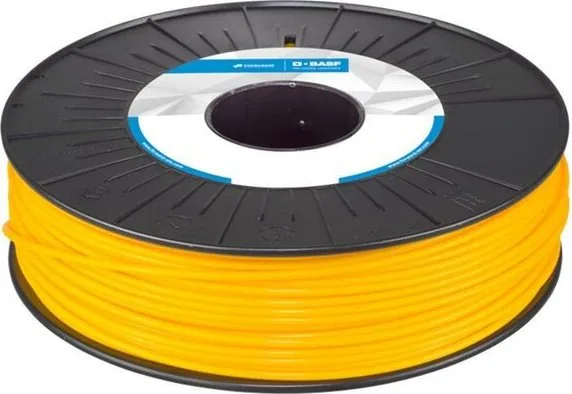
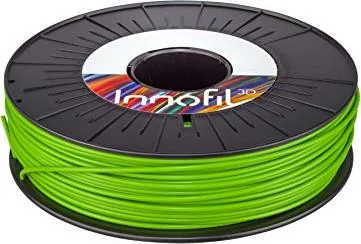
BASF Ultrafuse ABS 3D Printing Filament is a dependable choice for makers who want a strong, practical thermoplastic for everyday 3D printing. Built around Acrylonitrile Butadiene Styrene, it offers a balanced mix of toughness, stiffness, and printability that makes it suitable for functional prototypes, enclosures, brackets, and general-purpose parts. If you are looking for a filament that feels familiar in workflow yet versatile in results, this material deserves a place on the spool rack.
What makes it appealing
ABS is valued for its durability and resistance to impact, and this filament follows that tradition. It is a solid monofilament designed for FFF/FDM-style printing, with a clean white appearance and an odorless base profile in normal conditions. The material is also known for being stable during storage and use when handled correctly, which helps keep printing sessions consistent.
Another practical advantage is its broad usability. Because it is a thermoplastic copolymer, it can be processed into a wide range of shapes and parts without unusual preparation. The filament is also not classified as dangerous under common EU criteria, which adds peace of mind for users who want a straightforward material for workshop or studio use.
Printing and handling notes
Like many ABS materials, the best results come from controlled conditions. Proper ventilation is recommended, especially during heated processing, since fumes may appear at elevated temperatures. Avoid temperatures above 300 °C, and keep dust from accumulating around handling areas. Good housekeeping matters, not only for cleanliness but also for reducing slip hazards and limiting the chance of combustible dust buildup.
The filament’s density sits around 1.05–1.07, and it remains insoluble in water, which supports predictable handling and storage. In normal use it is stable, with no dangerous reaction expected and no spontaneous polymerization concerns. For general 3D printing applications, that combination of stability and performance makes it a practical material for both beginners and experienced users.
Notes
- Use local exhaust ventilation when printing at higher temperatures.
- Keep molten material away from skin, eyes, and clothing.
- Store in a clean, dry workspace with standard manufacturing practices.
- Dispose of unused material according to local regulations and recycling options.
Search for 67,706 Manuals online


Type-in Brand or Model