
Axis T99A10 Manual
PDF manual · 5 Pages
English



Quick check
Incorrect answer, please try again.
Chat with your Axis T99A10 manual using AI
Get instant AI answers from your Axis T99A10 manual
Ask anything about the Axis T99A10. Answers come from this manual, with the pages they are based on.
Ask a Question
Do you recommend T99A10?
Yes NoFrequently Asked Questions
Yes. Repainting is approved if you follow Axis-approved instructions: mask sensitive areas, clean surfaces, use appropriate pretreatment and primers for each material, apply thin even coats, and understand warranty implications.
Is this answer helpful?
Disassembling the unit for repainting will void the IP rating and lapse warranty. External repainting without opening sealed assemblies is allowed when following the documented procedure, but any opening of sealed parts impacts warranty coverage.
Is this answer helpful?
Mask all visible screws and screw holes, shaft openings in the pan unit, the gap between base and pan units, labels, and the front window. Also mask any unpainted or specially treated surfaces like threads and electrical contact areas.
Is this answer helpful?
Powder-coated parts may need sanding to bare material or primer; anodized/chromated parts require primer; uncoated stainless steel just needs thorough cleaning; plastic parts should use a primer compatible with the paint and substrate.
Is this answer helpful?
Work in an ESD-safe, dust-controlled environment (ideally a cleanroom for lens work) to prevent electrostatic damage and contamination. Proper training and correct tools reduce but do not eliminate risks.
Is this answer helpful?
Primary risks include ESD damage to electronics, dust contaminating optical elements, and paint overspray affecting mechanical threads and electrical contacts. Thorough masking, cleaning, and controlled conditions mitigate these risks.
Is this answer helpful?
Refer to the product datasheet and Axis resources for material specifics and official guidance. The manual and Axis website provide details on warranty implications and approved repainting instructions.
Is this answer helpful?
Advantages and Disadvantages
Advantages

- Durable pan/tilt mechanics designed for stable, precise positioning in surveillance setups.
- Supports 24 VAC/DC power, offering flexibility for different installations.
- Approved repainting process allows cosmetic refinishing when proper procedures are followed.
- Clear masking and pretreatment guidance helps protect sensitive components during repainting.
- Compatibility with Axis camera systems and available datasheet for material specifics.
Disadvantages

- Disassembly for repainting voids IP rating and warranty, limiting repair options.
- Risk of ESD damage requires careful handling in controlled environments.
- Dust contamination can degrade optical performance if lenses or sensors are exposed.
- Paint overspray may affect threads, ground contacts, and electrical surfaces if not thoroughly masked.
- Repainting requires substrate-specific pretreatment and primers, adding complexity.
Product Specification
Type
Positioning unit
Product Description
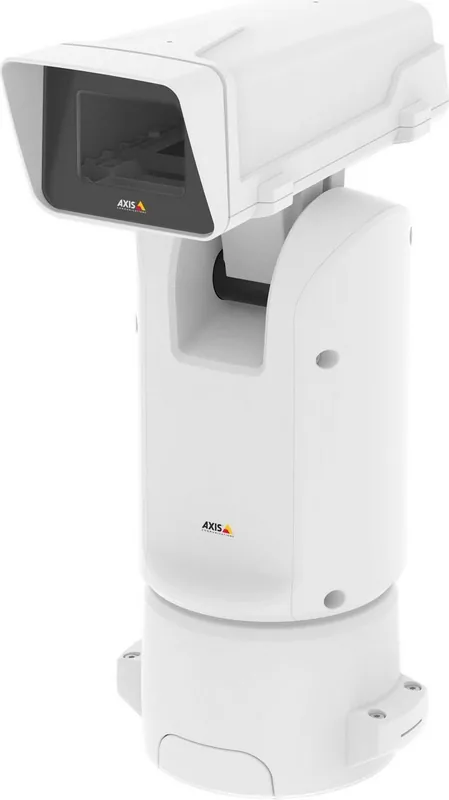
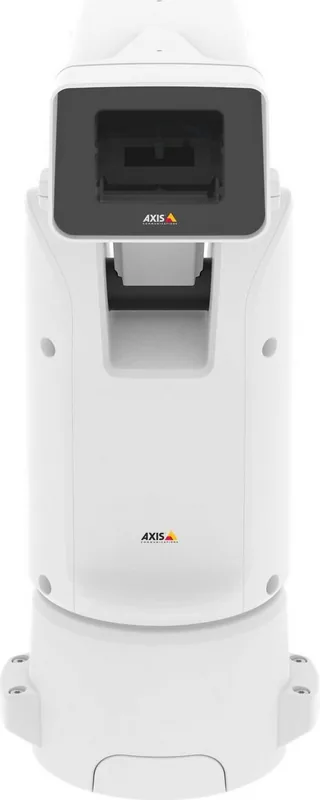
Axis T99A10 Pan/Tilt Head, Positioning Unit Manual
The Axis T99A10 Pan/Tilt Head is a robust positioning unit designed to provide reliable pan and tilt control for surveillance cameras in demanding environments. Engineered for compatibility with Axis camera systems, the unit offers precise motion control and durable construction to support long-term outdoor and indoor installations. The device supports 24 VAC/DC power and is built with materials and surface treatments chosen to withstand routine use and environmental exposure.
Key features and overview
This positioning unit emphasizes ease of integration, stable mechanical performance, and serviceability. It includes clearly defined mounting interfaces and sealed assemblies to protect internal components. The product documentation outlines repainting and maintenance guidance, focusing on preserving functionality while allowing cosmetic refinishing when necessary. Repainting is approved if specific preparation, masking, and pretreatment steps are followed.
Repainting guidance and precautions
Before repainting, mask all sensitive areas such as screws, shaft openings, joints between pan and base, labels, and windows to prevent paint ingress. Clean surfaces thoroughly to remove grease, dust, and oils. Different substrate types require different pretreatments: powder-coated parts may need sanding or primer; anodized or chromated parts require primer; stainless steel generally needs only cleaning; plastics benefit from primer.
Apply thin, even layers of spray paint per manufacturer instructions, allow drying between coats, and remove masking only after paint cures. The manual stresses working in an ESD-safe, dust-controlled environment to avoid damage to optical and electronic components. Disassembly for repainting compromises ingress protection (IP) ratings and voids warranty, so only external refinishing without opening sealed assemblies is encouraged unless performed by authorized personnel.
Practical considerations
Handling risks include ESD damage, dust contamination of lenses and sensors, and paint overspray affecting threads, ground contacts, and sealing surfaces. Proper training, tooling, and masking minimize these risks but cannot eliminate them entirely. The manual points to the product datasheet and Axis resources for material specifics and warranty implications.
Notes
- Repainting is permitted when following Axis-approved instructions and acknowledging warranty implications.
- Avoid opening sealed optical or electronic assemblies to maintain IP rating and warranty.
- Use appropriate primers and cleaning methods based on part material.
Search for 67,732 Manuals online


Type-in Brand or Model