
Amica VKS 351 115 E Manual
PDF manual · 188 Pages
English



Quick check
Incorrect answer, please try again.
Chat with your Amica VKS 351 115 E manual using AI
Get instant AI answers from your Amica VKS 351 115 E manual
Ask anything about the Amica VKS 351 115 E. Answers come from this manual, with the pages they are based on.
VKS 351 115 E Maintenance Schedule
Clean and dust the air vents once or twice a year to ensure proper ventilation.
Defrost the freezer at least once or twice a year if ice accumulation exceeds normal levels.
Wash the refrigerator and freezer compartments at least once a year to prevent odors and bacteria.
Free maintenance reminders
Timed to your purchase date. Always free, unsubscribe anytime.
Ask a Question
Do you recommend VKS 351 115 E?
Yes NoFrequently Asked Questions
The manual explains that the right setting depends on ambient temperature, sun exposure, door opening frequency, and how full the chambers are. In many typical homes, the middle dial position is recommended. If the fridge is not cold enough, increase the setting; if it is too cold, lower it. Allow the appliance at least several hours to stabilize after changes.
Is this answer helpful?
Yes, the manual includes rules for freezing based on compartment temperature zones (including star ratings). It advises freezing only high-quality food, portioning for easier freezing, packing tightly to prevent air and moisture exposure, and keeping fresh food away from already frozen items during the freezing process. Storage times depend on freezer temperature, with -18 C or lower emphasized.
Is this answer helpful?
Check whether the fridge drainage opening is clogged. The manual recommends cleaning/unclogging the discharge opening during fridge defrosting, and ensuring internal airflow is not blocked by food or containers touching the rear wall. Also verify that the appliance is not overloaded and that the door is closing properly.
Is this answer helpful?
The manual recommends regular cleaning and wiping the interior with mild detergent, at least periodically to prevent odors and bacteria build-up. For defrosting, the fridge uses automatic defrosting, but the freezer approach depends on configuration (no-frost behavior is described for some models). Follow the correct section for your setup, and avoid harsh solvents or abrasive cleaners.
Is this answer helpful?
The manual describes star ratings as indicators of achievable freezer temperatures and recommended storage duration. Higher ratings generally support colder storage (for example, conditions around -18 C) for longer preservation and better freezing capability. Always match the food type to the compartment temperature guidance provided.
Is this answer helpful?
The manual includes safety warnings: children should not play with the appliance, and cleaning or maintenance should not be performed by children unless supervised and meeting age requirements. It also stresses safe handling around the doors, drawers, and compartments, and it warns against unsafe practices that could cause temperature problems or injury.
Is this answer helpful?
Advantages and Disadvantages
Advantages

- Simple temperature control with OFF/0 and clearly defined cooling levels.
- Automatic fridge defrosting support helps reduce routine manual work.
- Guidance on compartment temperatures and star ratings improves storage safety.
- Practical everyday tips: airflow, door habits, and seal care help efficiency.
- Maintenance instructions cover cleaning methods and troubleshooting common issues.
Disadvantages

- Best performance depends heavily on correct placement, ventilation, and clearance distances.
- Temperature is affected by room conditions and frequent door openings.
- Water collection can occur if the fridge drainage opening becomes clogged.
- Food loading and packing require attention to avoid frosting, moisture, and flavor transfer.
- Some guidance varies by configuration (for example, freezer defrost approach), so you must match steps to your model.
Product Specification
Design type
Freestanding appliance
Energy efficiency class
E (A to G)
Old energy efficiency class
A+++ (A+++ to D)
Energy consumption
93kWh/year
Old energy efficiency class
63kWh/year
Front color
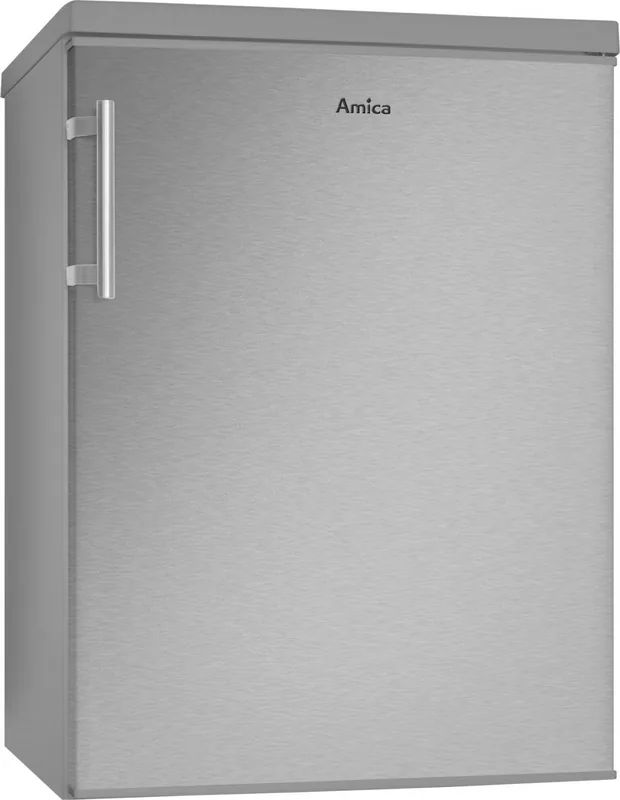
stainless steel (inox-look)
Net capacity
41.19 gal
Display
no
Special features
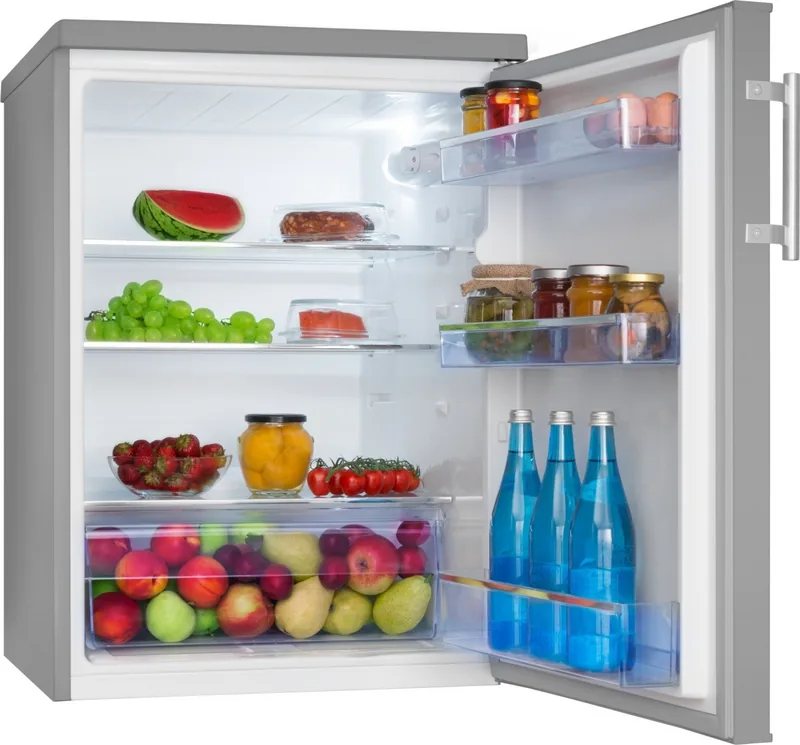
Vegetable compartment, LED lighting
Climate class
SN/N/ST/T
Noise level
41dB(A)
Noise emission class
C (A to D)
Door system
Door hinge right, reversible
Dimensions
23.62x33.46x25.51in (WxHxD)
Product Description
Amica VKS 351 115 E - smart storage made simple
The Amica VKS 351 115 E is a practical fridge-freezer designed for everyday food storage with clear temperature control and organized compartments. If you want setup and day-to-day use to be effortless, the Amica VKS 351 115 E Manual is a helpful companion for getting the best performance from your appliance from day one.
On installation, the manual emphasizes that this unit is intended for free-standing use, not built-in installation. Proper placement matters: keep the appliance on a level, stable surface in a dry, ventilated area away from heat sources, and respect minimum clearance distances so airflow around the cooling system stays unobstructed. It also notes that the appliance must be easily disconnected from the mains, and that the correct electrical connection, including earthing, is essential.
Once running, the control system is straightforward. A temperature dial lets you switch the unit OFF/0 and select settings from warmer to colder (often from 1 up to 6). The manual also explains how room temperature, sun exposure, door opening frequency, and the amount of food affect internal temperature, recommending a middle setting in many typical cases.
Food organization is supported with temperature zones, including star ratings for frozen storage. The manual provides guidance on what to store where, with target temperature ranges for compartments used for fresh chilling, longer frozen preservation, and ice-making. It also highlights practical habits that improve results, such as packaging foods well, allowing the fridge to reach operating temperature before loading, and avoiding placing hot dishes inside.
Defrosting and maintenance are covered in detail. The fridge has automatic defrosting, while the freezer system is described as preventing heavy frost buildup in no-frost configurations. Regardless of configuration, the manual stresses regular cleaning with mild detergents, keeping the door seal clean, and removing blockage from the fridge drainage opening if water collects.
Key results (most important takeaways)
- Respect placement and ventilation: stable leveling and clearances around the appliance help cooling efficiency.
- Use the temperature dial intentionally: ambient conditions and door habits influence the real interior temperature.
- Store by zones and temperatures: star ratings and target ranges improve freshness and safe freezing.
- Keep it clean: mild detergents, dry interiors, and an unclogged drainage opening prevent odors and leaks.
Notes
- Do not refreeze food that has thawed.
- For safety, avoid damaging the cooling system and follow professional service guidance for repairs.
- If the door stays open too long, temperatures rise noticeably, so load efficiently and close promptly.
Search for 67,732 Manuals online


Type-in Brand or Model