
Amica VKS 15465 W Manual
PDF manual · 204 Pages
English



Quick check
Incorrect answer, please try again.
Chat with your Amica VKS 15465 W manual using AI
Get instant AI answers from your Amica VKS 15465 W manual
Ask anything about the Amica VKS 15465 W. Answers come from this manual, with the pages they are based on.
VKS 15465 W Maintenance Schedule
If water has not been drawn for 5 days, flush the water system connected to a water supply.
Make sure that air vents are not covered up and clean the dust off them once or twice a year.
Defrost the appliance at least once or twice a year. In case of higher ice build-up, defrosting must be carried out more frequently.
To avoid contamination of food, clean regularly the surfaces that come in contact with food and accessible drainage systems.
For products with a water dispenser: Clean water tanks if they have not been used for 48 hours.
Wipe the inside of your fridge regularly with a cloth soaked in a mild detergent.
Free maintenance reminders
Timed to your purchase date. Always free, unsubscribe anytime.
Ask a Question
Do you recommend VKS 15465 W?
Yes NoDo you recommend VKS 15465 W?
Yes NoFrequently Asked Questions
The appliance supports multiple climate classes. SN covers 10°C to 32°C, N covers 16°C to 32°C, ST covers 16°C to 38°C, and T covers 16°C to 43°C.
Is this answer helpful?
It is recommended to defrost the freezer at least once or twice a year. For models with manual defrosting, this should happen when frost buildup affects efficiency.
Is this answer helpful?
No, you should not store beverages in bottles or cans, especially carbonated ones, in the freezer. The pressure may cause cans and bottles to explode.
Is this answer helpful?
Set the knob to OFF, unplug the appliance, remove the cover, and replace with a 220-240V E14 bulb matching the factory specifications. Do not use bulbs of higher or lower power.
Is this answer helpful?
Check if the water discharge opening is clogged. Clean the opening carefully with a cleaning plug or tool to ensure water drains correctly to the evaporation container.
Is this answer helpful?
No, it should only be used indoors. It is not designed for unheated summer cottages, cellars, or garages during freezing seasons according to safety guidelines.
Is this answer helpful?
Ensure no unauthorized repairs were made and that all safety features remain intact. Keep the warranty card and serial number from the nameplate for service center contact.
Is this answer helpful?
Advantages and Disadvantages
Advantages

- Multiple climate classes allow operation in various ambient temperature conditions from 10°C to 43°C for flexibility.
- Specific storage zones including wine racks and fresh food compartments optimize preservation for different food types.
- Automatic defrosting functions for the refrigerator compartment reduce manual maintenance requirements significantly.
- Adjustable feet ensure the unit can be leveled precisely on uneven kitchen floors for better operation.
- Energy efficient design includes specific guidelines for minimizing power consumption and maximizing cooling capacity.
Disadvantages

- Specific models require manual defrosting for freezer compartments which can increase user workload during holidays.
- Clearances from heat sources are mandatory, requiring careful planning of kitchen layout and appliance placement.
- Refrigerant is flammable, necessitating professional intervention for repairs to maintain safety and warranty status.
- Drainage openings can clog if not checked regularly, leading to water accumulation in the fridge base.
- Installation requires grounding and proper electrical connections to ensure safety and compliance with regulations.
Product Specification
Type
Freestanding
Energy Efficiency Class
E (A-G)
Energy Consumption
90kWh/year
Front Color
White
Side Color
White
Capacity
4.59 cu ft
Display
No
Features
Crisper drawer, LED lighting
Smart Home
No
Climate Class
ST
Noise Level
41dB
Airborne Noise Emission Class
C (A-D)
Door Hinge
Right hinge, reversible
Dimensions
21.46x33.27x22.28in (WxHxD)
Product Description
Discover the Amica VKS 15465 W
A Modern Refrigeration Solution
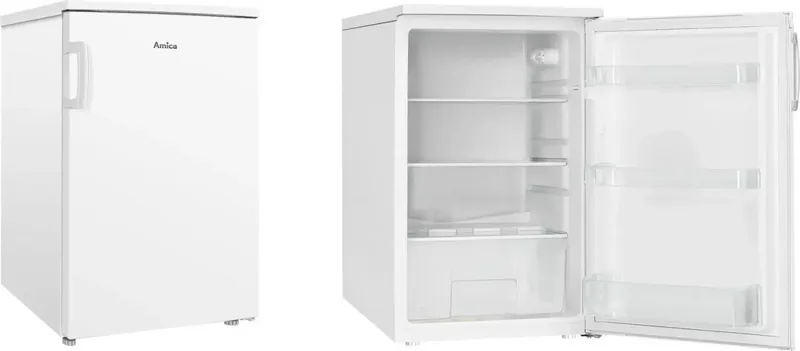
The Amica VKS 15465 W represents a significant step forward in household refrigeration technology. Designed for modern kitchens, this appliance combines exceptional ease of use with superior efficiency. Every product that leaves the factory undergoes strict safety and functionality checks ensuring reliable performance. Proper installation and understanding of settings are crucial for optimal operation. Referencing guidance found in the Amica VKS 15465 W Manual provides valuable insights into maintaining peak performance and safety standards.
The unit is versatile, compatible with various climate classes including SN, N, ST, and T. This flexibility allows it to operate effectively in different environmental temperatures ranging from 10°C to 43°C. Installation requires a stable, flat surface away from heat sources like ovens or radiators. Adequate ventilation is essential to prevent overheating and ensure energy efficiency. The appliance features adjustable feet for precise leveling.
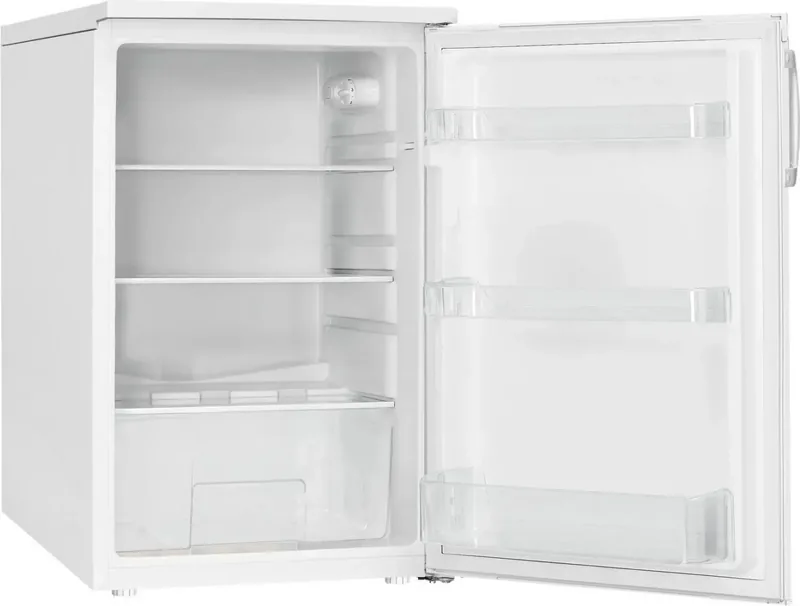
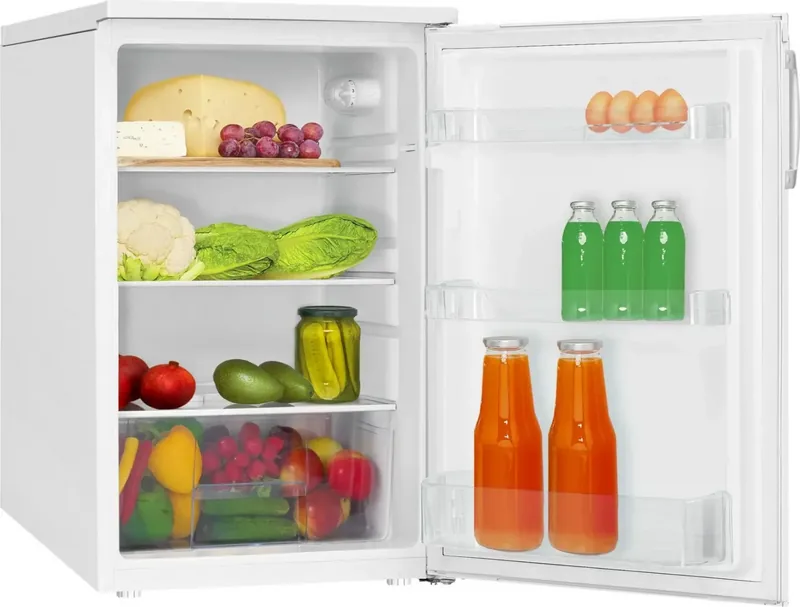
Inside, storage zones are clearly defined to preserve food quality. The refrigerator compartment maintains temperatures suitable for eggs, dairy, and produce. The freezer sections utilize star ratings to indicate storage capabilities for frozen goods. Understanding these zones helps extend the shelf life of ingredients. Proper packaging prevents odor transfer and moisture loss. Specific zones exist for wine and fresh food preservation, catering to diverse culinary needs. Temperature adjustment knobs allow customization based on ambient conditions and food load.
Daily maintenance includes cleaning the exterior with mild detergents and wiping seals. The refrigerator features automatic defrosting cycles to minimize manual intervention. However, checking drainage openings periodically prevents clogs. The lighting system uses standard E14 bulbs which can be replaced easily. Safety guidelines emphasize keeping the unit grounded and avoiding obstruction of ventilation. Children should not operate unattended controls. The refrigerant is flammable, so careful handling during repairs is necessary. Following operating instructions avoids voiding warranties.
Troubleshooting common issues like noise or poor cooling often involves checking door closure or load distribution. Air circulation must not be blocked by items touching the back wall. Water collection in the fridge base might indicate a blocked drain. Compressor cycling varies based on thermostat settings. Regular defrosting of freezer compartments maintains energy efficiency.
Practical Tips for Ownership
Keep doors closed to maintain temperature. Allow space between the unit and walls for air circulation. Do not store wet bottles directly in freezing areas as they may explode. Regularly check seals for damage to ensure proper closure. By adhering to these practices, users maximize longevity. This product simplifies daily tasks through thoughtful design.
Search for 67,732 Manuals online


Type-in Brand or Model