
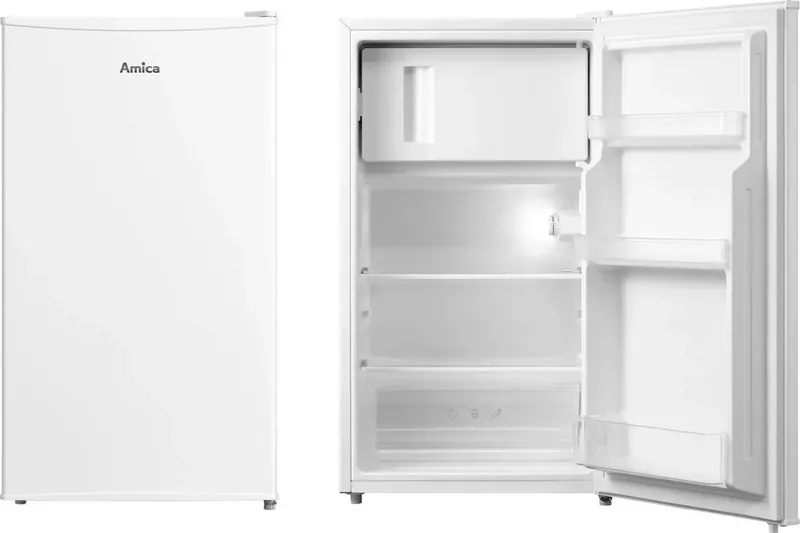
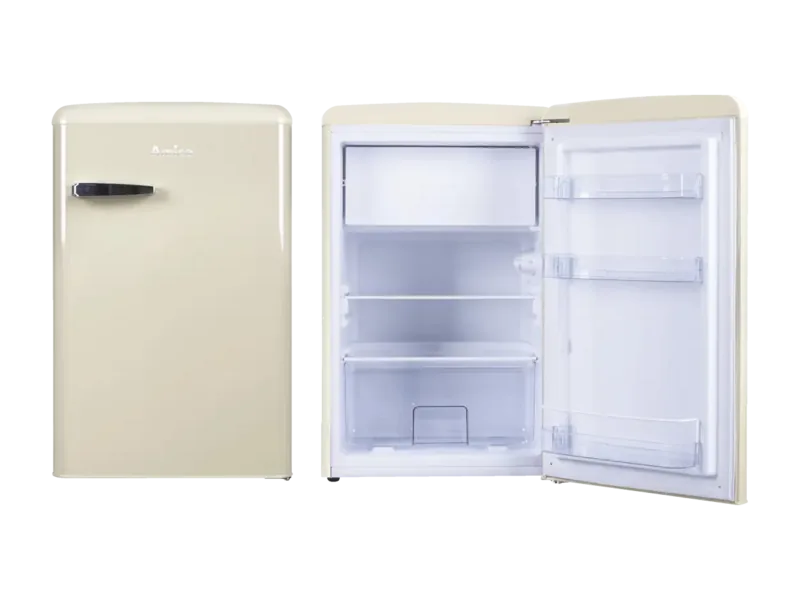
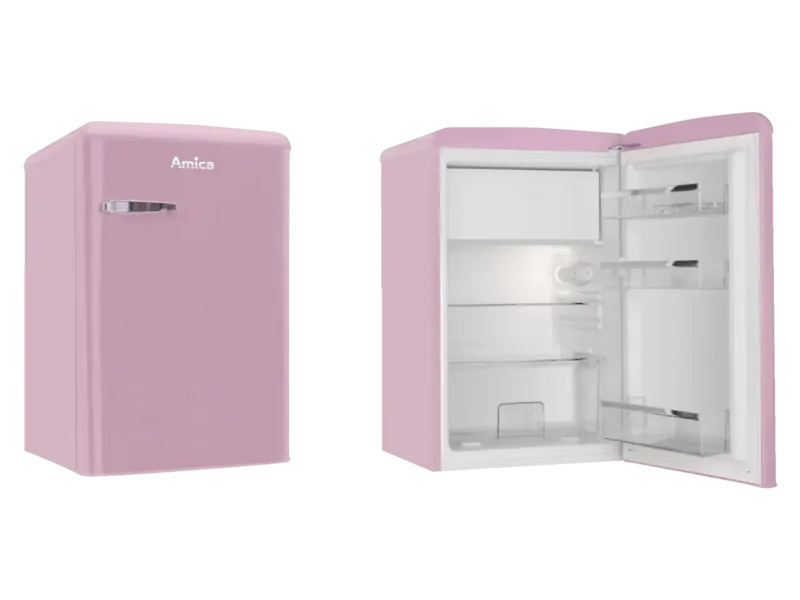
Amica KS 361 151 W Manual
PDF manual · 184 Pages
English



Quick check
Incorrect answer, please try again.
Chat with your Amica KS 361 151 W manual using AI
Get instant AI answers from your Amica KS 361 151 W manual
Ask anything about the Amica KS 361 151 W. Answers come from this manual, with the pages they are based on.
KS 361 151 W Maintenance Schedule
Defrost the appliance at least once or twice a year. More frequently if ice build-up is higher than 10mm.
Ensure air vents are not covered and clean dust off them once or twice a year.
Wipe the inside of the fridge regularly with a cloth soaked in mild detergent. Wash all accessories like shelves and containers.
Keep the seal around the door clean to ensure proper closing. Clean with water and wipe dry.
If condensate clogs the opening in the trough during automatic defrosting, carefully unclog it with the cleaning plug.
For models with dispensers: Clean water tanks if they have not been used for 48 hours.
For models with dispensers: Flush the water system connected to supply if water has not been drawn for 5 days.
Free maintenance reminders
Timed to your purchase date. Always free, unsubscribe anytime.
Ask a Question
Do you recommend KS 361 151 W?
Yes NoDo you recommend KS 361 151 W?
Yes NoFrequently Asked Questions
The appliance operates optimally at ambient temperatures ranging from 10°C to 43°C depending on the specific climate class setting. Ensure the room does not exceed these limits for best performance.
Is this answer helpful?
Adjust the dial on the control panel to set the desired level. Turning it higher increases cooling power. Set the default to 4 for average usage in most environments.
Is this answer helpful?
Children aged 8 years and older may use the appliance under supervision. Ensure they understand safety risks and do not play with the equipment for safety reasons.
Is this answer helpful?
Defrost the freezer chamber at least once or twice a year. If ice build-up is excessive, defrost more frequently to maintain efficiency and cooling capacity effectively.
Is this answer helpful?
No, this model is designed as a free-standing appliance only. It is not intended to be integrated into cabinetry or installed as a built-in unit for safety.
Is this answer helpful?
Disconnect power before cleaning. Do not modify cooling pipes. Avoid tilting beyond 40 degrees during transport to protect the compressor mechanism properly.
Is this answer helpful?
Place high moisture vegetables in the bottom drawers. Dry them before storage. Remove natural protection by washing only before consumption to extend shelf life.
Is this answer helpful?
Advantages and Disadvantages
Advantages

- Energy efficient operation with automatic defrosting in fridge part
- Wide climate range compatibility for various room temperatures
- Adjustable shelves provide flexible storage configurations
- Clear temperature zones designated for specific food types
- Safety features allow supervised use by older children
Disadvantages

- Not suitable for built-in installation in cabinetry
- Requires significant distance from heat sources like ovens
- Manual defrosting required for freezer section frequently
- Specific socket requirements for proper power connection
- Cleaning can be tedious for detailed interior maintenance
Product Specification
Type
Freestanding
Energy Efficiency Class
E (A to G)
Annual Energy Consumption
137 kWh/Year
Front Color
White
Side Color
White
Cooling Compartment Capacity
2.40 cu ft
Freezing Compartment Capacity
0.42 cu ft
Total Capacity
2.83 cu ft
Star Rating
4
24h Freezing Capacity
4.41 lbs
Power Failure Storage Time
6 h
Display
No
Features
Vegetable Crisper, LED Lighting
Smart Home
No
Climate Class
ST
Noise Level
41 dB(A)
Airborne Sound Emission Class
C (A to D)
Door System
Right Swing, Reversible
Dimensions
18.70 x 33.27 x 17.52 in (WxHxD)
Product Description
Amica KS 361 151 W Elevate Your Food Storage Experience
Managing food freshness is significantly easier with the correct equipment. The Amica KS 361 151 W represents a blend of efficiency and practicality designed for modern households. By understanding the operating principles detailed in the documentation, users can maximize the unit's potential and ensure consistent performance for years to come without unexpected issues.
Efficient Temperature Control
The control panel allows for straightforward temperature adjustments to suit your needs. You can set the interior environment to keep dairy, meats, and produce fresh for a longer time. The unit features a dial that toggles from off to maximum cooling settings effectively. Proper initial settings help save electricity while maintaining high safety standards during the first week of operation in your kitchen.
Safety and Installation Guidelines
Safe operation requires following strict placement rules during the initial setup process. Ensure the fridge is not placed near heating appliances like stoves or ovens. Keep a specific distance from walls to allow sufficient cooling airflow around the entire unit. The appliance must be leveled using adjustable feet to prevent noise and ensure the rubber door seals correctly.
Maintenance Tips
Regular cleaning prevents odors and bacteria growth inside the separate compartments. Use mild detergents for the interior surfaces and glass shelves only. Avoid strong chemicals that might damage plastic parts or the rubber seals over time. Defrost the freezer section manually when excess ice builds up on the internal walls. Cleaning the door seals ensures energy efficiency during daily use throughout the year.
Storage Optimization
Different food items require specific storage zones within the refrigerator to last longer. Use the top door shelves for butter, cheese, and condiments. Place delicate meats in the coldest area located near the vegetable drawers. Proper organization optimizes energy consumption and keeps your groceries safe from cross-contamination risks. Following the storage charts helps you utilize space effectively.
Frozen Food Storage
Freezing food requires specific packaging to maintain quality and prevent freezer burn. You should freeze high quality food divided into small portions for single use immediately. Products should be packed in materials resisting moisture and air penetration for safety. Do not store frozen products with liquids as this causes frost formation in the chamber. This step ensures longevity for your frozen meals.
Climate Classes
The appliance operates within various climate ranges depending on room temperature settings. The user manual specifies the allowable ambient temperatures for optimal operation of the compressor. Selecting the right setting prevents strain on the system during hot summers. This feature guarantees reliable cooling power without excessive energy consumption for the household.
Troubleshooting
Occasional noises may occur due to the cooling system operation or thermostat switching. If the appliance fails to work, check power connection and socket voltage. Ensure the door closes completely to maintain internal temperature. If water collects at the bottom, check the drainage hole for clogs. These steps help maintain the fridge performance efficiently.
Final Thoughts
Understanding the manual ensures longevity for your kitchen investments without unexpected issues. Follow the provided instructions to avoid warranty voids caused by improper installation in the future. Enjoy a reliable appliance that keeps your groceries safe. Proper care and consistent usage lead to stable performance and peace of mind in your home.
Search for 67,732 Manuals online


Type-in Brand or Model