
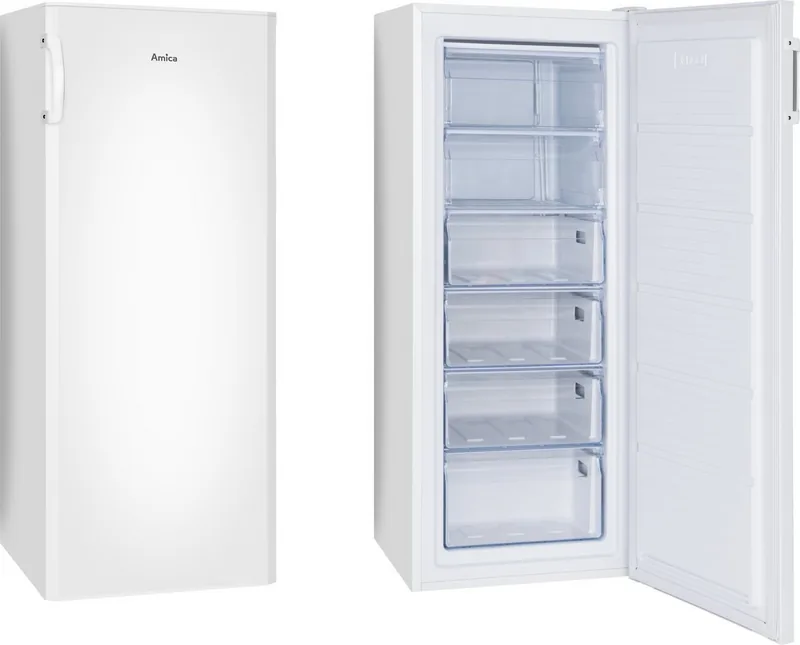
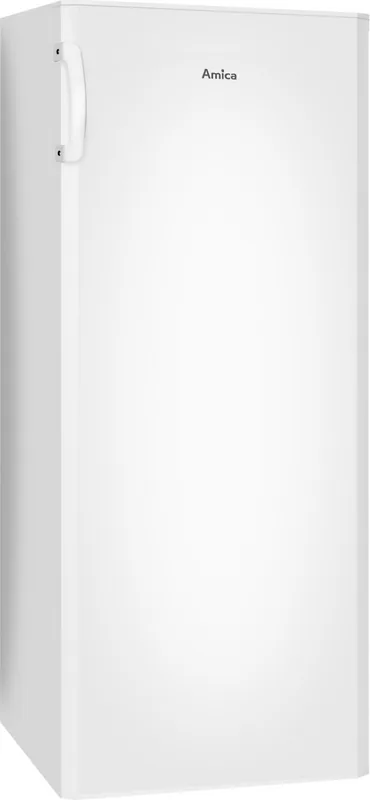
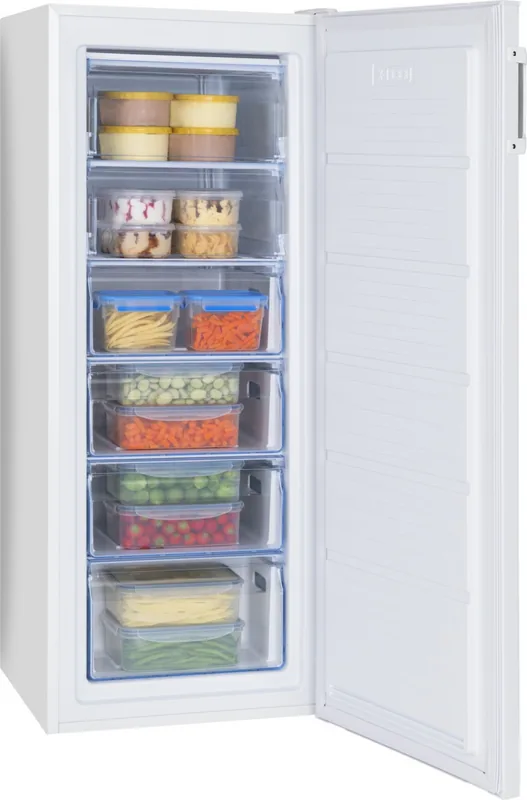
Amica GS 324 100 W Manual
PDF manual · 172 Pages
English



Quick check
Incorrect answer, please try again.
Chat with your Amica GS 324 100 W manual using AI
Get instant AI answers from your Amica GS 324 100 W manual
Ask anything about the Amica GS 324 100 W. Answers come from this manual, with the pages they are based on.
GS 324 100 W Maintenance Schedule
Ensure air vents are not covered. Clean dust off them once or twice a year.
Defrost the appliance at least once or twice a year if ice accumulates excessively to maintain efficiency.
Wash the refrigerator and freezer compartments at least once a year to prevent odors and bacteria.
Free maintenance reminders
Timed to your purchase date. Always free, unsubscribe anytime.
Ask a Question
Do you recommend GS 324 100 W?
Yes NoDo you recommend GS 324 100 W?
Yes NoFrequently Asked Questions
The manual recommends setting the refrigerator to about 6 to 8 C and the freezer to -18 C for efficient everyday storage. Adjusting the dial may be needed based on room temperature, sun exposure, door opening frequency, and the amount of food loaded.
Is this answer helpful?
Place perishable items in the colder zone, typically above the vegetable drawers, and use the warmer door area for items like butter and cheese. Keep food wrapped to prevent odor transfer, do not push dishes against the rear wall, and avoid placing hot food into the fridge.
Is this answer helpful?
On configurations described with No-Frost, the freezer is designed to limit ice build-up, so manual defrosting is reduced. The guidance also explains that if excessive ice forms, defrosting should be done periodically (at least once or twice a year) and cleaned afterward.
Is this answer helpful?
Avoid carbonated drinks in bottles and cans, as the containers may burst due to freezing. Also do not place items directly into the mouth right after removing them, since very low temperatures can cause frostbite.
Is this answer helpful?
The manual points to a clogged water discharge opening as a common cause. It also mentions that obstructed air circulation can contribute. Cleaning the discharge opening and arranging food so it does not block airflow and the rear wall helps restore normal drainage.
Is this answer helpful?
Place the appliance on a flat, stable surface in a dry, ventilated area away from heat sources. Ensure sufficient clearance for door opening and airflow. The manual also provides climate range limits, and operating outside them can reduce cooling performance.
Is this answer helpful?
Open the door only when necessary, return items quickly after use, and avoid loading too much warm food at once. The guidance also notes that small temperature variations are normal, but rapid recovery should occur when the door stays closed.
Is this answer helpful?
Advantages and Disadvantages
Advantages

- Simple thermostat dial control with clear guidance for fridge and freezer temperatures.
- Automatic defrosting in the fridge chamber reduces routine maintenance work.
- No-frost style freezer operation helps limit ice build-up and sticking of frozen items.
- Interior temperature zones support better placement of delicate and less delicate foods.
- Maintenance and troubleshooting guidance helps users respond quickly to common issues.
Disadvantages

- Cooling performance depends heavily on proper installation, ventilation, and staying within climate range.
- Temperature stability drops with frequent door opening and frequent warm food loading.
- Freezer care is stricter: do not refreeze thawed items and do not store certain drinks in bottles/cans.
- Cleaning requires mild detergents only; harsh chemicals or solvents are discouraged.
- The dial-based setup may feel less precise than digital temperature displays for some users.
Product Specification
Type
Freestanding appliance
Old energy efficiency class
A++ (A+++ to D)
Old energy consumption
168 kWh/year
Front color
white
Net capacity
5.47 cu ft
Star rating
4
Freezing capacity in 24h
17.64 lb
Storage time during power failure
10 h
Display
no
Climate class
ST
Noise level
41 dB(A)
Door system
Door hinge right, reversible
Dimensions
21.65x55.51x22.44 in (WxHxD)
Product Description
Amica GS 324 100 W: efficient fridge-freezer comfort for everyday storage
Built for household reliability
The Amica GS 324 100 W is designed to make daily food storage straightforward and dependable. With a simple thermostat dial and clear temperature guidance, it supports efficient cooling for both the fridge and the freezer compartments. If you are looking for an overview of how to operate it properly, the Amica GS 324 100 W Manual covers the core rules you need for safe, trouble-free use.
Temperature control and smart storage
Inside, the appliance uses a dial with positions like OFF/0/MIN and a numbered range up to MAX. The manual explains that the best results usually come from using the middle setting, while fine adjustment depends on factors such as room temperature, sun exposure, door opening frequency, and how much food you load at once. For day-to-day performance, it recommends about 6 to 8 C in the refrigerator and -18 C in the freezer.
Because air circulates naturally, there are temperature zones. The coldest area is typically just above the vegetable drawers, ideal for delicate, quickly perishable items such as fish, meat, poultry, and ready meals. The warmest area is usually found in the upper door section, which works well for butter and cheese. The manual also emphasizes proper packing: keep strongly scented foods wrapped, avoid placing hot dishes inside, and do not let food touch the rear wall to reduce frosting and wetting.
No-frost convenience and maintenance basics
The fridge chamber features automatic defrosting, while the freezer is described as No-Frost on applicable configurations, helping prevent ice build-up and keeping frozen items from sticking together. Still, the manual stresses hygiene: clean with mild detergents only, unplug before maintenance, and keep the door gasket clean so it seals properly.
Quick results (key takeaways)
- Adjustable thermostat with practical guidance for setting fridge and freezer temperatures based on conditions.
- Zoning in the fridge helps place perishable foods where they stay safest and freshest.
- Automatic defrosting in the fridge and No-Frost style operation in the freezer reduce manual ice work.
- Strong food-handling rules: wrap correctly, avoid hot food, and prevent refreezing partly thawed items.
Notes
- Keep the appliance ventilated and away from heat sources; operation depends on the stated climate range.
- For best freezer performance, avoid frequent door openings and allow time for temperature recovery after adding fresh food.
Pros and cons based on the provided guidance
- Pros: clear thermostat dial control, practical food packing rules, fridge automatic defrosting, No-Frost freezer concept, helpful troubleshooting tips.
- Cons: performance depends on correct placement and climate range, temperature can drift if door openings are frequent, care is required to avoid damaging the cooling system.
Search for 67,732 Manuals online


Type-in Brand or Model
Lina Schmidt
10 months ago
Is there currently any issue with the product, or is everything running smoothly?
Manual.ly
10 months ago
Based on the latest customer feedback, everything appears to be working properly right now. If you do run into any problems after setup (for example, missing features, connectivity, or unexpected behavior), please contact our support with your order number and a short description of the issue, and we will help you troubleshoot or arrange a solution.