
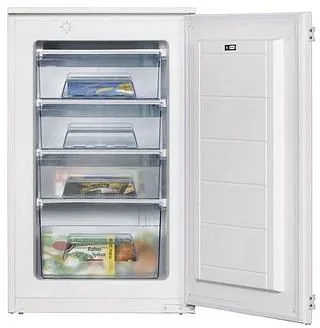
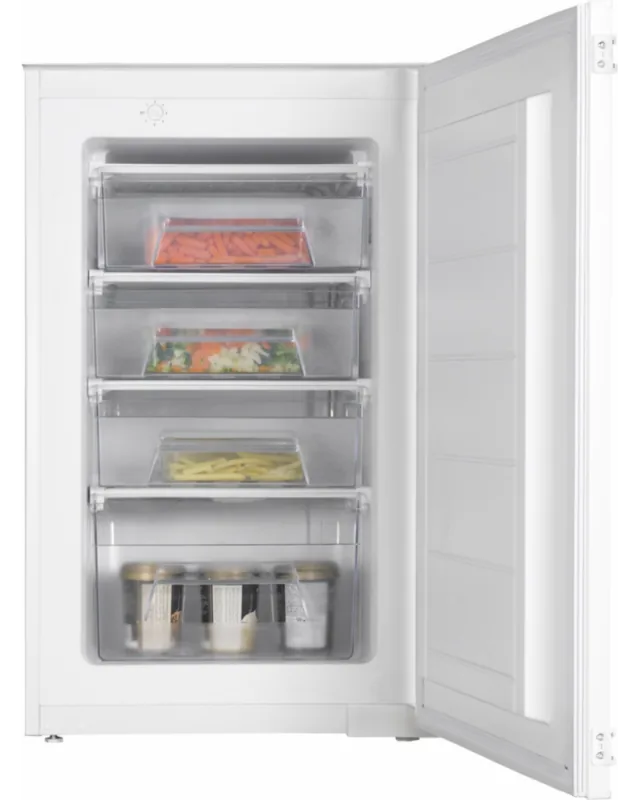

Amica EGS 16173 Manual
PDF manual · 92 Pages
English



Quick check
Incorrect answer, please try again.
Chat with your Amica EGS 16173 manual using AI
Get instant AI answers from your Amica EGS 16173 manual
Ask anything about the Amica EGS 16173. Answers come from this manual, with the pages they are based on.
EGS 16173 Maintenance Schedule
Combine defrosting with washing. Defrost at least once or twice a year to maintain efficiency.
Wipe the door seal with water and dry it thoroughly to ensure proper closure.
Ensure vents are not covered and clean dust off them once or twice a year.
Free maintenance reminders
Timed to your purchase date. Always free, unsubscribe anytime.
Ask a Question
Do you recommend EGS 16173?
Yes NoFrequently Asked Questions
It is designed for everyday household food storage, keeping fresh items chilled and frozen goods preserved under proper temperature conditions. It works best for families or individuals who want a simple, reliable refrigerator-freezer.
Is this answer helpful?
The appliance uses a rotary control with levels from OFF to stronger cooling. Lower numbers mean warmer settings, while higher numbers increase cooling. The manual suggests allowing the unit to cool before loading it fully.
Is this answer helpful?
Yes, the freezer area may require periodic defrosting. Regular defrosting helps maintain efficiency, lowers energy use, and prevents excessive ice buildup that can reduce storage space and cooling performance.
Is this answer helpful?
No, hot dishes should be cooled before placing them inside. Adding warm food can raise the internal temperature, stress the cooling system, and affect nearby stored items.
Is this answer helpful?
Use plates, containers, or sealed wrapping. Keep strong-smelling foods covered, avoid blocking airflow, and place delicate items in colder zones while storing butter and cheese in the warmer door sections.
Is this answer helpful?
Use mild liquid detergents, warm water, and soft cloths. Avoid abrasive cleaners, solvents, and harsh sponges. The door seal should be cleaned carefully and dried after washing.
Is this answer helpful?
Advantages and Disadvantages
Advantages

- Simple temperature control with easy-to-use settings.
- Practical storage zones for different food types.
- Energy-saving guidance helps reduce running costs.
- Antibacterial interior support helps preserve freshness.
Disadvantages

- Requires regular manual defrosting in some use cases.
- Best performance depends on careful placement and ventilation.
- Limited flexibility compared with more advanced models.
- Strong emphasis on user maintenance and proper loading.
Product Specification
Type
integrable (sliding hinge)
Energy efficiency class
E (A to G)
Old energy efficiency class
A++ (A+++ to D)
Energy consumption
170kWh/year
Old energy consumption
146kWh/year
Front color
white
Net capacity
81.34qt
Star rating
4
Freezing capacity in 24h
6.61lb
Storage time in case of power failure
11h
Display
no
Climate class
N/ST
Noise emission
40dB(A)
Noise emission class
C (A to D)
Dimensions
21.26x34.45x21.26in (WxHxD)
Niche dimensions
22.05x34.80x21.65in (WxHxD)
Product Description
Amica EGS 16173: A Practical Guide to Everyday Cooling
The Amica EGS 16173 Manual reflects a compact, user-focused refrigerator design built for simple daily use, reliable food storage, and straightforward care. This model is presented as a classic household appliance that balances convenience with efficiency, making it a sensible choice for kitchens where dependable cooling matters more than complex features.
At its core, the Amica EGS 16173 is about keeping food fresh with minimal effort. The temperature control is easy to understand, with settings that let users move from basic cooling to stronger refrigeration or freezing performance when needed. The interior layout supports organized storage, while the colder zones are ideal for meat, fish, dairy, and prepared meals. Warmer door areas are better suited for butter and cheese, helping users store ingredients more intelligently.
One of the strongest themes in the Amica EGS 16173 Manual is energy-conscious operation. The appliance works best when placed away from heat sources, kept properly leveled, and used with the doors opened only when necessary. These simple habits help reduce power consumption and support stable performance. The guide also emphasizes good airflow, clean door seals, and the importance of not overloading the compartments.
The freezer section is designed for practical home freezing rather than heavy-duty storage. It encourages proper packaging, correct portioning, and quick placement of fresh food so frozen items stay in better condition. The manual also explains that occasional frost buildup is normal and should be removed through regular defrosting and cleaning. This helps preserve efficiency and reduces unnecessary energy use.
Maintenance is another key strength. The appliance should be cleaned with mild detergents, soft cloths, and no harsh chemicals. The manual also recommends checking the drainage opening, keeping the interior dry, and storing food in sealed containers to avoid odors and moisture issues. A built-in antibacterial interior treatment adds extra protection by helping limit mold, bacteria, and unpleasant smells.
In short, this refrigerator is designed for users who want reliability, easy operation, and clear maintenance rules. It may not be overloaded with advanced electronics, but it delivers what most households need: stable cooling, useful storage zones, and straightforward long-term care.
Notes
- Keep the unit level and ventilated.
- Avoid placing hot food directly inside.
- Defrost regularly for best efficiency.
- Use sealed containers for strong-smelling foods.
Search for 67,732 Manuals online


Type-in Brand or Model
incidunt17
8 months ago
Does this built-in freezer reach the set freezing temperature quickly, and how do I set the optimal temperature? What should I do if it does not cool properly or arrives defective?
Manual.ly
8 months ago
Most built-in freezers need some time to reach the target temperature after installation and first use. Set the temperature using the thermostat/control as described in the manual, allow the unit to run undisturbed until it stabilizes (often up to 12-24 hours), and do not overload it at the start. Make sure the appliance is installed with proper ventilation and that the door seal is seated correctly. If it still does not cool properly after stabilization, or if you received a defective unit, stop using it and contact our support right away. We will help with quick checks and, if needed, arrange a return so you can get your money back.