

Free Alpitronic Manuals – Read, Download & Print
1 Manuals
Manuals
Categories

Alpitronic Manuals
Overview
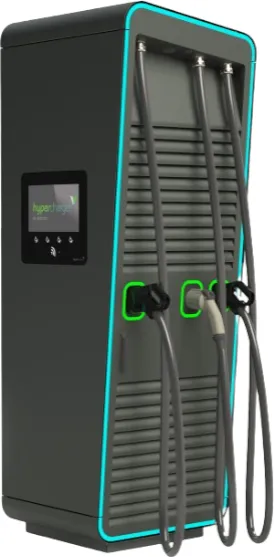
Alpitronic manuals are comprehensive technical documents created to support the installation, operation, maintenance, and troubleshooting of Alpitronic products. Alpitronic is known for its electric vehicle (EV) charging solutions, including high-power DC chargers and modular charging systems designed for commercial, fleet, and public charging applications. Manuals provided by Alpitronic typically cover product specifications, safety information, electrical and mechanical installation procedures, commissioning steps, routine maintenance recommendations, software and firmware update instructions, diagnostic procedures, and parts lists.
These manuals are essential resources for electrical contractors, commissioning engineers, maintenance technicians, facility managers, and system integrators who deploy and support Alpitronic charging stations. They consolidate manufacturer knowledge, regulatory compliance details, and best practices to ensure safe, reliable, and efficient operation of charging infrastructure.
Typical Contents of Alpitronic Manuals
Safety and Compliance
Alpitronic manuals begin with safety information and compliance declarations. This section outlines general safety precautions, personal protective equipment (PPE) requirements, hazard identification, and emergency procedures. It also lists relevant standards and certifications (such as CE marking, EMC, LVD, and specific regional requirements) and explains limitations of use and warranty conditions.
Product Overview and Specifications
A product overview provides a high-level description of the charger model, use cases, and unique features — such as power ratings (kW), supported EV protocols (CCS, CHAdeMO, etc.), modular configurations, communication interfaces (OCPP, Ethernet, CAN), and environmental ratings (IP class, operating temperature ranges). Detailed technical specifications include electrical parameters (voltage, current, power factor), dimensions and weight, cooling methods, and connectors supported.
Installation Instructions
Installation sections give step-by-step guidance for safe and code-compliant mounting and electrical connections. They cover site preparation, mechanical installation (mounting posts, cabinets, enclosures), grounding and bonding procedures, electrical supply requirements (input voltage, required breakers, cable sizing), wiring diagrams, and communication cabling. Specific instructions for outdoor and indoor installations, ventilation, and heat dissipation are usually included. Manuals frequently emphasize compliance with local electrical codes and recommend that installation be performed by licensed professionals.
Commissioning and Configuration
Commissioning guidance explains pre-power checks, initial power-up sequences, and software configuration. This includes setting network parameters, time and date, authentication methods (RFID, app-based or token systems), payment integration, and user interface options. For OCPP-enabled units, the manual typically details how to register the charger with a backend management system, configure meters, and enable remote monitoring.
Operation and User Interface
User-facing sections describe the operation of the charger, including display menus, LED indicators, connector engagement procedures, and vehicle connection steps. They explain how to start and stop charging sessions, set charging limits, and interpret status codes. Manuals also include instructions for basic user troubleshooting, such as handling cable jams, fault resets, and guidance on when to contact service personnel.
Maintenance and Inspection
Alpitronic manuals provide scheduled maintenance routines and inspection checklists to ensure long-term reliability. This includes periodic visual inspections, cleaning procedures, torque checks for electrical terminals, filter maintenance or replacement, and verification of cooling systems. Recommended maintenance intervals and records logging practices are usually specified to meet warranty and safety requirements.
Diagnostics and Troubleshooting
A detailed diagnostics section helps technicians identify and resolve faults. It includes error code tables with descriptions, probable causes, and corrective actions. Wiring and component test points, multimeter checks, relay and fuse locations, and step-by-step troubleshooting flows are often provided. For complex issues, manuals advise contacting Alpitronic technical support and provide procedures for safe shutdown and component replacement.
Software, Firmware Updates, and Cybersecurity
Modern chargers rely on firmware and software for functionality and remote management. Manuals explain how to perform firmware updates, configure software parameters, and backup settings. They outline secure communication practices, password management, and recommended network configurations to minimize cybersecurity risks. Integration notes for third-party management systems and recommended versions of backend software may also be included.
Parts, Diagrams, and Schematics
Exploded views, parts lists, wiring diagrams, and connector pinouts are commonly included to assist with repairs and part ordering. These sections show mechanical assemblies, electrical schematics, fuse tables, and PCB layouts where relevant. Clear identification of replaceable parts and spare part numbers enables efficient maintenance and ordering.
Decommissioning and Disposal
End-of-life procedures cover safe decommissioning, disconnection from the mains, recycling, and disposal in accordance with environmental regulations. Manuals usually include instructions to remove or erase stored data and to handle hazardous materials, such as batteries or capacitors, safely.
Who Uses Alpitronic Manuals
- Electrical contractors and installers: to ensure correct, code-compliant installation and safe electrical connections.
- Commissioning engineers: to configure, test, and validate system performance and integration with backend networks.
- Maintenance technicians: for regular inspections, preventive maintenance, and repairs.
- Fleet managers and site operators: to understand operational limits, scheduling, and diagnostics.
- System integrators and software providers: for OCPP and API integration, remote monitoring, and fleet management interoperability.
Best Practices When Using Manuals
- Always follow the safety instructions and local regulations: Manuals are written to minimize risk, but local codes may add further requirements.
- Use the correct manual for the exact model and firmware version: Differences between revisions can affect wiring, connectors, and software steps.
- Keep firmware and software up to date: Manufacturers release updates for performance, compatibility, and security.
- Maintain records: Document installation details, inspection dates, firmware versions, and repairs to support warranty claims and lifecycle planning.
- Contact technical support for unclear or complex issues: If instructions are ambiguous or a fault persists, manufacturer support can provide guidance and authorized service recommendations.
Accessing and Managing Manuals
Alpitronic manuals are typically available from several sources: the manufacturer’s website, product packaging, distributor portals, or provided directly by project managers at installation. Authorized service partners and technical support can supply the most recent revisions and clarify procedures. Electronic copies (PDFs) are commonly preferred for searchability and distribution, while printed copies can be stored on-site for quick reference during installation or maintenance.
Common Manual Types and Formats
- Installation manuals: Focused on mechanical and electrical installation, site prep, and initial power-up.
- User manuals: Simplified instructions for end users on operating the charger safely.
- Service manuals: In-depth repair procedures, diagnostics, parts lists, and schematics for technicians.
- Firmware and software guides: Detailed upgrade procedures, APIs, and system integration notes.
- Safety datasheets and regulatory documents: Certification details, environmental compliance, and hazard information.
Conclusion
Alpitronic manuals are indispensable for ensuring safe, reliable, and compliant deployment and operation of Alpitronic charging systems. They serve a wide range of stakeholders — from installers and technicians to fleet managers and system integrators — by consolidating technical specifications, safety precautions, installation and commissioning steps, maintenance schedules, diagnostic tools, and parts information. Proper use and adherence to these manuals help maximize equipment uptime, extend operational life, and maintain safety and regulatory compliance across charging infrastructure installations.
Search for 67,706 Manuals online


Type-in Brand or Model