
Garden Machines Manuals
Manuals
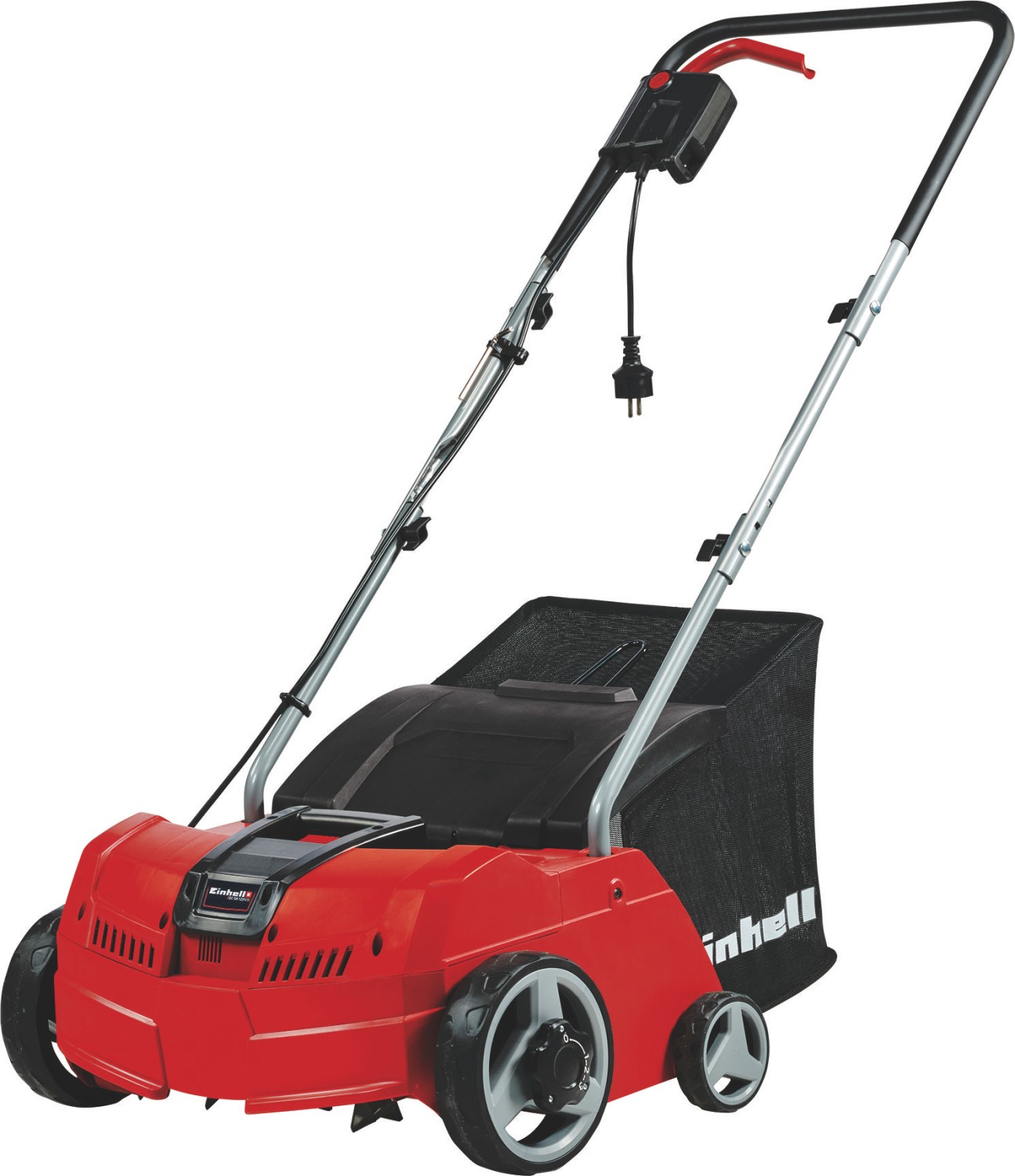

Garden Machines Manuals
Introduction
Garden machines manuals are comprehensive guides crafted to help users operate, maintain, troubleshoot, and safely store a wide range of outdoor power equipment. These manuals cover lawnmowers, trimmers, chainsaws, leaf blowers, tillers, snow blowers, hedge trimmers, and other mechanized tools used in residential and professional landscaping. Proper use of these manuals improves machine lifespan, enhances safety, ensures optimal performance, and reduces repair costs.
Purpose and Importance
Garden machines manuals serve several essential functions:
- Safety: They provide specific safety warnings, protective equipment recommendations, and safe operation procedures to prevent accidents and injuries.
- Operation: Clear step-by-step instructions explain starting, stopping, controlling, and adjusting the machine for different tasks.
- Maintenance: Regular maintenance schedules, lubrication points, filter changes, spark plug recommendations, and blade sharpening instructions keep machines running efficiently.
- Troubleshooting: Diagnostic charts and symptom-based guidance help users identify and fix common problems, often avoiding unnecessary service calls.
- Compliance: Manuals contain emissions, noise, and safety compliance information required by regulatory bodies.
Typical Contents of a Manual
A well-written garden machine manual usually includes the following sections:
Safety Information
Detailed general and product-specific safety warnings, pictograms, and required personal protective equipment (PPE). This section often highlights hazards such as rotating blades, hot surfaces, fuel handling, and kickback risks.
Product Overview
Parts diagrams, control locations, and component descriptions help users become familiar with the machine. Exploded views are common for understanding assembly and parts replacement.
Specifications
Technical details like engine displacement, horsepower, cutting width, fuel type, oil capacity, weight, noise levels, vibration ratings, and recommended oil/filters.
Assembly and Installation
Step-by-step instructions for out-of-the-box assembly, including tools required, torque specifications, and alignment tips. For larger machines, this may include mounting or anchoring instructions.
Starting and Stopping Procedures
Clear procedures for cold and warm starts, choke operation (if applicable), primer usage, electric start instructions, and secure shutdown sequences.
Operation Guidelines
How to select speeds, cutting heights, throttle settings, and recommended cutting patterns. Usage tips for different terrains and vegetation types are often included.
Maintenance Schedule
Periodic service intervals such as daily, weekly, monthly, and seasonal checks. Lists of consumables, part numbers, and recommended service tasks are provided to maintain warranty compliance.
Troubleshooting Guide
A symptom-to-cause matrix helps users diagnose issues such as hard starting, loss of power, excessive vibration, unusual smoke, fuel leaks, and electrical faults.
Repair and Replacement Procedures
Instructions for common repairs like blade replacement, belt adjustments, carburetor cleaning, air filter replacement, and spark plug replacement. Safety steps for disabling ignition and relieving stored energy are emphasized.
Storage and Winterization
Procedures to prepare machines for long-term storage: fuel stabilization, oil changes, battery care, corrosion protection, and covering or indoor storage recommendations.
Parts and Accessories
Lists of optional attachments, compatible accessories, and ordering information for genuine parts. Exploded diagrams and part numbers facilitate correct replacements.
Warranty and Service Information
Warranty terms, owner responsibilities, authorized service center contacts, and steps to register the product or file a claim.
Format and Accessibility
Modern manuals are produced in print and digital formats. Digital manuals often include searchable PDFs, interactive diagrams, and video links for complex tasks. Accessibility features such as large-print versions, multilingual translations, and clear icons improve usability for diverse users.
Writing and Design Best Practices
High-quality garden machine manuals follow these best practices:
- Clear, concise language: Use plain language and short sentences to explain procedures.
- Logical organization: Group related tasks and use consistent headings for quick navigation.
- Visual aids: Include photos, diagrams, and exploded views to illustrate steps and part locations.
- Safety-first layout: Place critical warnings prominently and use consistent warning symbols.
- Maintenance calendars: Provide checklists or calendars to help owners adhere to recommended schedules.
- Troubleshooting flowcharts: Use stepwise diagnostic approaches to simplify problem resolution.
Common Maintenance Tasks Explained
Engine Care
Regular oil changes, checking oil levels before each use, replacing oil filters, and using manufacturer-recommended oil grades extend engine life.
Air Filter Service
Inspect and replace or clean air filters regularly. Clogged filters reduce performance and increase fuel consumption.
Fuel System
Use fresh fuel, avoid ethanol-blended gasoline when recommended, and follow carburetor cleaning instructions or fuel system stabilization for storage.
Blade and Cutting System
Sharpen blades regularly for clean cuts, balance blades to reduce vibration, and inspect blade mounts and fasteners for wear.
Belts and Drive Components
Inspect belts, pulleys, and gearboxes for wear. Follow tensioning and replacement procedures to avoid slippage and damage.
Electrical System
Check battery condition, connections, and charging systems. Inspect ignition coils, spark plug gaps, and wiring for corrosion or damage.
Troubleshooting Examples
- Machine won’t start: Check fuel, spark, air filter, and choke; inspect for flooded engine; verify safety interlocks.
- Loss of power under load: Clean air filter, inspect spark plug, check carburetor settings, and ensure blade sharpness.
- Excessive vibration: Verify blade balance, inspect for bent shafts or loose mounts, and check engine mounts.
- Smoke from exhaust: Assess oil level, check for oil in combustion chamber, and verify correct oil grade.
Safety Considerations and Regulatory Notes
Manuals must highlight legal and safety obligations such as emission controls, noise restrictions, and proper disposal of oils and batteries. They should instruct users to follow local regulations regarding fuel storage, spark arrestors in fire-prone areas, and children’s access to equipment.
Choosing the Right Manual
When seeking a manual, confirm the exact model number and serial number of the machine — minor variations can change parts and procedures. Prefer OEM manuals for accuracy; reputable third-party guides may be helpful for general maintenance but can lack model-specific details.
Digital Resources and Updates
Manufacturers increasingly host online manuals, firmware updates (for electronically controlled units), and video tutorials. Check manufacturer websites for the latest revisions, safety bulletins, and recall notices.
Tips for Owners and Technicians
- Keep the manual with the machine or store a digital copy in an accessible location.
- Log maintenance tasks and dates to preserve warranty and track wear patterns.
- Use genuine replacement parts to maintain safety and performance.
- Follow torque specifications and use appropriate tools to avoid damage.
Conclusion
Garden machines manuals are indispensable resources for safe, efficient, and cost-effective ownership. They provide the instructions and references needed to operate machines properly, perform routine maintenance, diagnose problems, and store equipment correctly. Investing time in reading and following the manual reduces risk, extends equipment life, and ensures reliable performance across seasons.
Search for 385 Manuals online


Type-in Brand or Model